
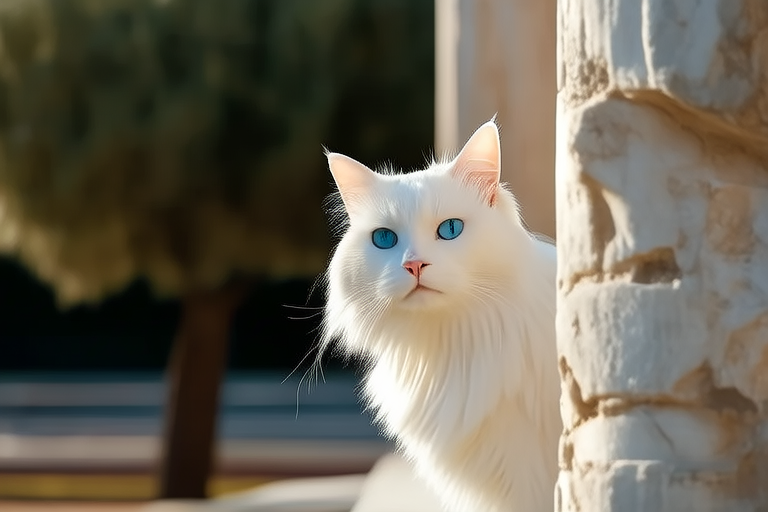
The Timeless Allure of Turkish Angora Cats: A Journey Through History and Mythology
For centuries, the Turkish Angora cat has captivated the hearts and imaginations of people around the world. Originating from the Ankara region in central Turkey, this elegant feline is steeped in history, mythology, and cultural significance. From its royal heritage to its unique physical characteristics and gentle temperament, the Turkish Angora has left an indelible mark on human civilization.
Origins and Early History
The roots of the Turkish Angora trace back to ancient times in Anatolia, where these cats were prized for their beauty, intelligence, and loyalty. Archaeological evidence suggests that Turkish Angoras were already present in the region during the Neolithic period, around 9,000 BCE. The breed’s name derives from the capital city of Ankara (formerly known as Angora), located in central Turkey, which served as a crossroads for trade and cultural exchange between East and West.
In ancient times, Turkish Angoras were often associated with royalty and nobility. They were believed to possess mystical powers and were thought to bring good fortune to their owners. The cats’ long, silky coats and striking blue eyes made them highly sought after as companions for sultans, viziers, and other members of the Ottoman elite. The breed’s association with wealth and power was further reinforced by the fact that only the wealthiest families could afford to keep these cats as pets.
Mythology and Legends
The Turkish Angora has played a significant role in Turkish mythology and folklore, often appearing as a symbol of grace, wisdom, and protection. One of the most famous legends involving Turkish Angoras is the tale of “The Cat of Baghdad,” which tells the story of a beautiful white cat with blue eyes who saved the city from destruction. According to the legend, the cat’s presence in the city brought peace and prosperity, and its disappearance would lead to disaster.
Another popular myth is the story of “The White Angel,” which recounts the journey of a Turkish Angora cat that traveled across the desert to deliver a message of hope and guidance to a lost caravan. This legend highlights the breed’s reputation for being a reliable and trustworthy companion, capable of overcoming great challenges.
These myths and legends have contributed to the perception of Turkish Angoras as mystical creatures with supernatural abilities. Their association with royalty and nobility has also reinforced the idea that these cats are special and deserving of respect and admiration.
Cultural Significance
In Turkish culture, the Turkish Angora is considered a national treasure and a symbol of pride. The breed is closely associated with the country’s rich history and cultural heritage, and its image is often used to promote tourism and national identity. The Turkish government has taken steps to protect and preserve the breed, including establishing breeding programs and setting up sanctuaries for endangered cats.
Turkish Angoras have also played a significant role in Turkish literature and art. In the early 20th century, Turkish writers and artists began to incorporate images of the breed into their works, celebrating its beauty and elegance. Today, Turkish Angoras continue to be featured in contemporary art, fashion, and advertising, maintaining their status as a beloved symbol of Turkish culture.
Physical Characteristics and Temperament
The Turkish Angora is a medium-sized cat with a slender, graceful build. It has a long, silky coat that comes in a variety of colors, including white, black, red, and cream. The breed’s most distinctive feature is its large, expressive blue eyes, which give it a regal and intelligent appearance. Turkish Angoras are known for their playful and affectionate nature, making them excellent companions for families and individuals alike.
Their temperament is characterized by curiosity, independence, and a strong desire to explore their surroundings. Turkish Angoras are highly intelligent and can be trained to perform tricks and respond to commands. They are also known for their vocal communication, often meowing and chirping to express their needs and desires.
Historical and Modern Depictions
Throughout history, Turkish Angoras have been depicted in various forms of art, including paintings, sculptures, and textiles. In ancient times, they were often portrayed in frescoes and mosaics, symbolizing wealth, power, and prosperity. During the Ottoman era, Turkish Angoras were frequently featured in miniature paintings and calligraphy, showcasing their elegance and grace.
Modern depictions of Turkish Angoras reflect the breed’s continued popularity and cultural significance. Contemporary artists and designers have incorporated images of the breed into their work, celebrating its timeless beauty and charm. Turkish Angoras have also appeared in popular culture, including movies, television shows, and video games, further cementing their place in the public imagination.
Enduring Allure
The enduring allure of the Turkish Angora lies in its unique combination of beauty, intelligence, and companionship. Despite the passage of time, these cats continue to captivate the hearts and minds of people around the world, inspiring awe and admiration. Their association with royalty and nobility, combined with their mystical reputation, has contributed to their enduring appeal.
As we look to the future, it is clear that the Turkish Angora will continue to play an important role in human history and imagination. Whether through art, literature, or real-life companionship, these cats will remain a beloved symbol of grace, wisdom, and protection, reminding us of the deep connection between humans and animals.