
The Three-Striped Box Turtle: An Ideal Pet for Shy Nature Lovers
The three-striped box turtle (Amblyrrhinus maculatus) is a fascinating reptile that has captivated the hearts of many turtle enthusiasts. Known for its striking appearance and gentle demeanor, this species is particularly well-suited for individuals who prefer a more laid-back and tranquil interaction with their pets. In this article, we will delve into the characteristics that make the three-striped box turtle an ideal companion for shy nature lovers, exploring its appearance, care requirements, temperament, and why it thrives in quiet environments.
Appearance
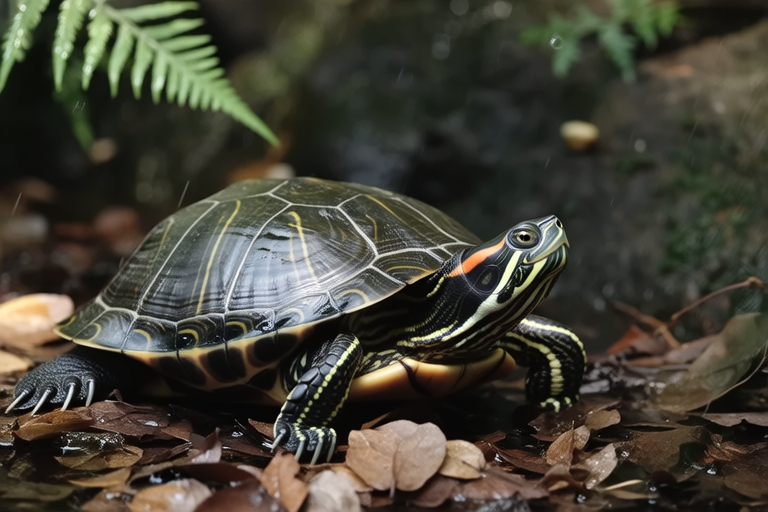
The three-striped box turtle is easily recognizable by its distinct three yellow stripes that run down the length of its dark brown or black shell. These stripes serve as a natural camouflage, helping the turtle blend into its surroundings and avoid predators. The plastron, or underside of the shell, is typically a lighter color, often with dark spots or blotches. The head and limbs are also adorned with similar markings, adding to the overall aesthetic appeal of this species. Additionally, the turtle’s eyes are a striking red or orange, further enhancing its charismatic appearance.
Care Requirements
One of the reasons why the three-striped box turtle is an excellent choice for shy nature lovers is its relatively low-maintenance care requirements. Housing this turtle is straightforward, as it requires a spacious enclosure that mimics its natural habitat. A large aquarium or outdoor pen, complete with a shallow water dish, rocks, and plants, provides ample space for the turtle to explore and bask. It is essential to ensure that the enclosure is secure, as these turtles are adept at escaping. Regular cleaning and maintenance of the enclosure are necessary to maintain a healthy environment.
Diet is another crucial aspect of caring for the three-striped box turtle. Their diet consists primarily of a variety of vegetables, fruits, and insects. Commercial turtle pellets can be used as a supplement but should not form the sole part of their diet. Feeding the turtle a balanced diet ensures optimal health and longevity. Fresh water should always be available, and it is recommended to change it daily to prevent bacterial growth.
Temperament
The three-striped box turtle is renowned for its docile and calm temperament, making it an ideal pet for those who prefer peaceful interactions with animals. Unlike some other turtle species that may display aggressive behavior, especially during mating season, the three-striped box turtle remains gentle and non-confrontational. This trait makes it a perfect match for shy nature lovers who appreciate a serene and harmonious relationship with their pets.
Thriving in Quiet Environments
Shy nature lovers will find that the three-striped box turtle thrives in quiet environments. These turtles are not prone to sudden movements or loud vocalizations, which means they are unlikely to disturb the peace and tranquility of their surroundings. They are content to spend their days basking in the sun, exploring their enclosure, and occasionally munching on food. This laid-back lifestyle aligns perfectly with the preferences of individuals who seek calm and peaceful interactions with their pets.
Housing Tips
When setting up a home for your three-striped box turtle, it is important to create an environment that mimics its natural habitat. For indoor enclosures, a large aquarium with a secure lid is ideal. Ensure that the enclosure includes a shallow water dish, rocks, and plants to provide a stimulating environment. The temperature within the enclosure should be maintained between 75-85°F (24-29°C), with a basking spot reaching up to 90°F (32°C). A UVB light source is essential for calcium metabolism and overall health. For outdoor pens, choose a secure area with partial shade and a source of fresh water. Ensure the pen is escape-proof and protected from predators.
Dietary Considerations
The three-striped box turtle’s diet should consist of a variety of vegetables, fruits, and insects. Leafy greens such as kale, spinach, and collard greens are excellent choices. Fruits like apples, berries, and melons can be offered sparingly as treats. Crickets, mealworms, and earthworms provide essential protein. It is important to offer a balanced diet to ensure proper nutrition and prevent deficiencies. Commercial turtle pellets can be used as a supplement but should not form the sole part of their diet. Always provide fresh water, and change it daily to prevent bacterial growth.
Handling Tips
Handling the three-striped box turtle should be done with care and respect for its comfort. It is best to handle the turtle gently, supporting its body and avoiding excessive lifting. Frequent handling can stress the turtle, so it is recommended to limit handling sessions to a few minutes at a time. When picking up the turtle, always support its shell and avoid grabbing it by the legs or tail. Regular handling can help the turtle become accustomed to human interaction, but it is important to respect its need for solitude and downtime.
Low-Maintenance Needs
One of the most appealing aspects of the three-striped box turtle is its low-maintenance needs. Unlike some other pets that require constant attention and care, the three-striped box turtle is self-sufficient and does not demand extensive grooming or training. Its relatively simple care requirements make it an ideal pet for busy individuals or those who prefer a more hands-off approach to pet ownership. With minimal effort, you can provide a comfortable and enriching environment for your turtle, allowing it to thrive in a quiet and peaceful setting.
Compatibility with Shy Owners
The three-striped box turtle’s calm and peaceful nature makes it an excellent companion for shy nature lovers. Its gentle demeanor and lack of aggressive behavior create a serene and harmonious atmosphere, perfect for those who appreciate tranquility. The turtle’s low-maintenance needs mean that even individuals with busy schedules can enjoy the company of a pet without feeling overwhelmed. The peaceful interactions with this turtle can provide a soothing and calming presence, making it an ideal choice for those seeking a pet that complements their introverted lifestyle.
Adopting or Purchasing a Healthy Turtle
When considering adopting or purchasing a three-striped box turtle, it is crucial to ensure that you obtain a healthy and well-cared-for individual. Adopting from a reputable rescue organization or sanctuary is highly recommended, as these organizations often have experienced staff who can provide guidance and support. If purchasing from a breeder, ensure that the breeder follows ethical practices and provides a healthy environment for the turtles. Always inspect the turtle thoroughly before making a decision, looking for signs of illness such as discharge from the eyes or nose, lethargy, or loss of appetite. By choosing a healthy turtle, you set the foundation for a long and rewarding companionship.
In conclusion, the three-striped box turtle is an ideal pet for shy nature lovers who appreciate calm and peaceful interactions with animals. Its striking appearance, low-maintenance care requirements, and gentle temperament make it a perfect match for those who seek a serene and tranquil relationship with their pets. By providing a suitable environment, a balanced diet, and respectful handling, you can ensure that your three-striped box turtle thrives and brings joy to your life. Whether you choose to adopt or purchase a healthy turtle, taking the time to find the right companion will lead to a fulfilling and enriching experience.