
The Historical Significance and Royal Patronage Behind Siamese Cats
Siamese cats have a rich history that spans centuries, marked by their royal patronage and exclusive status among the nobility. These elegant felines originated in Siam, now known as Thailand, where they were revered for their striking appearance and unique characteristics. The journey of Siamese cats from being exclusive pets of nobility to popular household companions is a fascinating tale of adaptation, evolution, and cultural exchange.
Origins and Early History
The earliest recorded mention of Siamese cats dates back to the 14th century, when they were kept as prized possessions by royalty and high-ranking officials in Siam. Their distinct features, including their blue almond-shaped eyes and sleek coats, made them highly sought after. These cats were believed to possess magical powers and were often given as gifts to foreign dignitaries. In the late 19th century, the first Siamese cats arrived in Britain, where they quickly captured the hearts of the British aristocracy. Their popularity spread rapidly across Europe and North America, solidifying their reputation as exotic and luxurious pets.
Key Characteristics
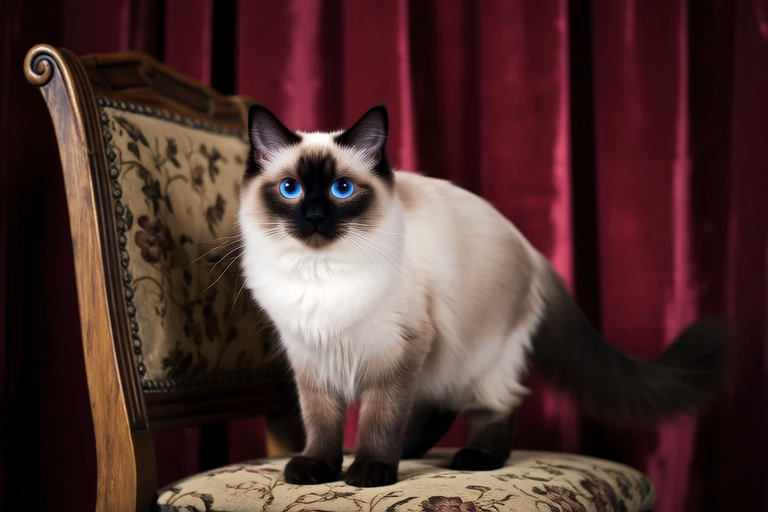
Siamese cats are known for their distinctive physical traits, which include a slim, graceful body, large ears, and expressive blue eyes. Their coats are typically short and fine, with points on their ears, face, paws, and tail. These points are darker than the rest of their coat, creating a striking contrast. Their intelligence, curiosity, and vocal nature also contribute to their appeal. Siamese cats are known for their communicative meows, often seeking attention from their owners. They are playful, affectionate, and thrive in environments where they receive ample interaction and mental stimulation.
Royal Patronage and Nobility
The royal patronage of Siamese cats played a significant role in their early history. In Siam, these cats were considered sacred and were often kept in temples and palaces. They were believed to bring good fortune and protect against evil spirits. The royal family of Siam took great care in breeding and maintaining the purity of the Siamese lineage. When the first Siamese cats were introduced to Europe, they were presented as gifts to European royalty, further cementing their status as exclusive pets of the elite. This royal association contributed to their allure and desirability among the upper classes.
Journey to Popular Household Companions
The transition of Siamese cats from exclusive pets of nobility to popular household companions was gradual but transformative. As the breed became more widely available, their popularity grew among the general public. Their striking appearance and engaging personalities made them ideal candidates for adoption by families seeking a companion animal. Today, Siamese cats are one of the most popular breeds in the world, cherished for their beauty, intelligence, and loyalty.
Social Media and Digital Stardom
The rise of social media has dramatically transformed the visibility and popularity of Siamese cats. Many Siamese cats have become influencers and beloved online personalities, amassing thousands of followers on platforms like Instagram, TikTok, and YouTube. One such example is Maru, a Siamese cat known for his love of cardboard boxes. Maru’s videos have garnered millions of views, showcasing his playful antics and endearing personality. Another notable Siamese cat is Grumpy Cat, whose perpetually grumpy expression and viral memes have made her an internet sensation. These cats resonate with followers due to their relatable behaviors, quirky personalities, and photogenic appearances.
Representation in Modern Pop Culture
Siamese cats have made significant contributions to modern pop culture, appearing in films, literature, and advertising. In cinema, Siamese cats have been featured in movies such as “Lady and the Tramp” (1955) and “The Aristocats” (1970). Their portrayal in these films highlights their elegance and charm. In literature, Siamese cats have inspired works such as “The Siamese Cat Mystery” (1963) by Enid Blyton and “The Siamese Cat” (1988) by Elizabeth Marshall Thomas. Their representation in advertising has also been prominent, with brands using Siamese cats to promote products ranging from cat food to luxury goods. Their iconic status in popular culture underscores their enduring appeal and versatility.
Future Prospects
The future prospects for Siamese cats in both pet ownership and digital stardom are promising. As more people seek intelligent and interactive companions, Siamese cats are likely to remain popular choices for prospective pet owners. Their adaptability and ability to form strong bonds with humans make them ideal companions for families and individuals alike. In the realm of digital stardom, Siamese cats are poised to continue their reign as beloved online personalities. However, there are potential challenges to consider, such as the ethical treatment of animals in the entertainment industry and the pressure to maintain consistent content creation. Nonetheless, the future holds exciting opportunities for Siamese cats to captivate audiences and inspire admiration.