
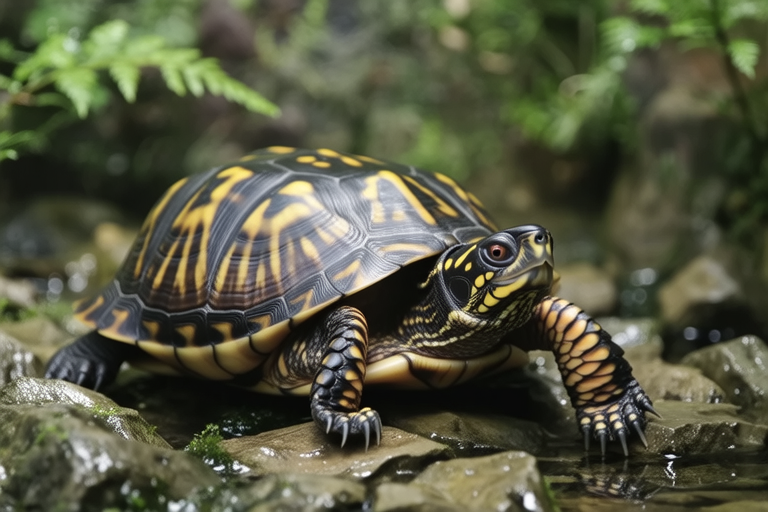
The Ultimate Guide to Ensuring Longevity for Your Three-Striped Box Turtle
Three-striped box turtles (Terrapene carolina triunguis) are fascinating reptiles that can live up to 40 years or more when properly cared for. This guide will provide you with everything you need to know to ensure your turtle’s longevity, including habitat setup, diet and nutrition, health care tips, common diseases to watch out for, and the importance of regular vet check-ups.
Optimal Habitat Setup
The first step in ensuring the longevity of your three-striped box turtle is providing an appropriate habitat. These turtles require a spacious enclosure that mimics their natural environment as closely as possible.
Habitat Size
A minimum enclosure size of 4 feet by 2 feet is recommended for one adult turtle. The enclosure should be large enough to allow the turtle to move around freely and engage in natural behaviors such as basking, swimming, and foraging.
Temperature and Humidity Control
Maintaining the correct temperature and humidity levels is crucial for the health of your turtle. The ideal temperature range for a three-striped box turtle is between 75°F and 85°F during the day, with a basking spot reaching up to 90°F. At night, temperatures can drop slightly to around 70°F. Proper humidity levels should be maintained at approximately 60% to 80%. This can be achieved through misting the enclosure daily and providing a shallow water dish.
Lighting
UVB lighting is essential for the synthesis of vitamin D3, which is necessary for calcium absorption. A UVB light source should be provided for 10-12 hours per day. It is important to place the UVB light within 12 inches of the basking area so that the turtle can receive adequate exposure. Additionally, a full-spectrum fluorescent light can be used to simulate daylight and help regulate the turtle’s circadian rhythm.
Substrate
The substrate chosen for the enclosure should be safe for the turtle and easy to clean. Cypress mulch, coconut fiber, or eco-earth are all suitable options. Avoid using sand or gravel, as these can cause impaction if ingested. The substrate should be kept clean and free of debris to prevent bacterial growth.
Environmental Enrichment
To stimulate natural behaviors, provide hiding spots, climbing structures, and a shallow water dish. Hiding spots can be created using half logs, caves, or artificial plants. Climbing structures can be made from cork bark or other safe materials. A shallow water dish should be provided for soaking and drinking. This will encourage the turtle to engage in natural behaviors and reduce stress.
Diet and Nutrition
A well-balanced diet is essential for the health and longevity of your three-striped box turtle. Their diet should consist of a variety of plant-based foods and protein sources.
Plant-Based Foods
Approximately 50% of the turtle’s diet should come from plant-based foods. This includes leafy greens such as collard greens, mustard greens, and dandelion greens. Other suitable vegetables include squash, carrots, and bell peppers. Fruits such as strawberries, blueberries, and apples can also be offered but should be limited due to their high sugar content.
Protein Sources
The remaining 50% of the diet should come from protein sources. Suitable options include earthworms, crickets, mealworms, and pinkie mice. Commercially available turtle pellets can also be offered as a supplement to their diet. It is important to offer a variety of protein sources to ensure a balanced intake of nutrients.
Calcium and Vitamin Supplementation
Calcium and vitamin supplementation is necessary to prevent metabolic bone disease. Calcium powder can be sprinkled on food once or twice a week, while a multivitamin supplement can be given every two weeks. It is important to consult with a veterinarian before starting any supplementation regimen to ensure proper dosing.
Health Care Tips
Regular health check-ups and preventative care are essential for maintaining the health of your three-striped box turtle.
Hygiene
The enclosure should be cleaned regularly to prevent the buildup of bacteria and parasites. The substrate should be changed every 1-2 weeks, and the water dish should be cleaned daily. Any uneaten food should be removed promptly to prevent spoilage.
Handling
When handling your turtle, it is important to support its body and avoid lifting it by its legs or shell. Wash your hands before and after handling to prevent the spread of bacteria. Limit handling to minimize stress and allow the turtle to focus on eating and basking.
Behavioral Signs of Illness
It is important to monitor your turtle’s behavior for any signs of illness. Common signs include lethargy, loss of appetite, swollen eyes, and respiratory issues. If you notice any of these symptoms, contact a veterinarian immediately.
Common Diseases to Watch For
There are several common diseases that can affect three-striped box turtles. Early detection and treatment are key to preventing serious health issues.
Metabolic Bone Disease
Metabolic bone disease is caused by a lack of calcium and vitamin D3. Symptoms include soft shells, weak limbs, and difficulty moving. Treatment involves correcting the diet and providing adequate UVB lighting.
Respiratory Infections
Respiratory infections can occur due to poor hygiene or environmental conditions. Symptoms include wheezing, nasal discharge, and labored breathing. Treatment may involve antibiotics and improving environmental conditions.
Shell Rot
Shell rot is caused by bacteria or fungi and can occur due to poor hygiene or environmental conditions. Symptoms include soft spots, discoloration, and foul odor. Treatment involves cleaning the affected area and applying topical medications.
The Importance of Regular Vet Check-Ups
Regular veterinary check-ups are essential for maintaining the health of your three-striped box turtle. A veterinarian specializing in reptiles can perform a thorough examination, provide vaccinations, and address any health concerns.
Preventative Care
Preventative care measures, such as vaccinations and parasite control, can help prevent serious health issues. It is recommended to schedule an annual check-up with a veterinarian to ensure your turtle remains healthy.
Treatment of Illnesses
If your turtle becomes ill, a veterinarian can provide appropriate treatment. Early intervention can prevent the progression of the disease and improve the chances of recovery.
Social Needs and Interaction
Three-striped box turtles are generally solitary animals and do not require social interaction with other turtles. However, they can benefit from positive interactions with their human caregivers.
Handling
When handling your turtle, it is important to be gentle and supportive. Limit handling to minimize stress and allow the turtle to focus on eating and basking. Always wash your hands before and after handling to prevent the spread of bacteria.
Training
Positive reinforcement training can be used to encourage desired behaviors, such as coming to you for feeding time. This can strengthen the bond between you and your turtle and make handling easier.
Environmental Enrichment
Providing environmental enrichment, such as hiding spots, climbing structures, and a shallow water dish, can stimulate natural behaviors and reduce stress. This will create a more enjoyable and enriching environment for your turtle.
In conclusion, providing an appropriate habitat, a well-balanced diet, and regular veterinary care are essential for ensuring the longevity of your three-striped box turtle. By following the guidelines outlined in this guide, you can help your turtle live a long and healthy life.