
Norwegian Pets: A Journey Through Unique Traditions and Care Tips
Welcome to a comprehensive exploration of Norwegian pet ownership traditions, from historical context and cultural significance to popular breeds, care tips, and unique health considerations. This article will guide you through the fascinating world of pets in Norway, offering valuable insights and practical advice for pet owners.
Historical Context and Cultural Significance
The history of pet ownership in Norway dates back centuries, with dogs playing a crucial role in hunting, herding, and protection. The Norwegian Forest Cat, a large, long-haired breed, has been a part of Norwegian folklore for generations. These cats were valued for their ability to catch rodents and protect homes from intruders. Today, pets remain integral to Norwegian culture, symbolizing companionship and loyalty.
Historically, Norwegian farmers relied heavily on their animals for daily tasks. Dogs like the Norwegian Elkhound were essential for hunting, while cats helped control rodent populations. Over time, these animals became more than just working partners; they became cherished family members. In modern Norway, pets are often seen as extensions of the family, participating in daily activities and celebrations.
Popular Breeds in Norway
Several dog breeds are particularly popular in Norway due to their suitability for the local environment and their historical roles. The Norwegian Elkhound, known for its agility and endurance, is one such breed. Originally bred for hunting elk, this medium-sized dog is well-suited to the rugged terrain of Norway. The Lundehund, another unique breed, is famous for its flexible joints, which allow it to climb cliffs in search of puffins.
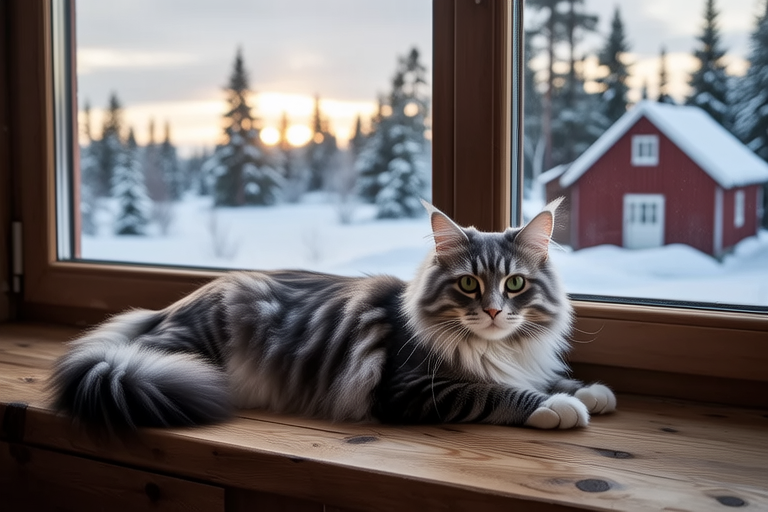
Cats also hold a special place in Norwegian homes. The Norwegian Forest Cat, with its thick, water-resistant coat, thrives in the country’s cold climate. This breed is known for its intelligence and playful nature, making it an ideal companion for families. Other popular cat breeds include the Siberian and Maine Coon, both of which are well-adapted to colder temperatures.
Care Tips for Norwegian Climates and Environments
Living in Norway requires specific care for pets to ensure their comfort and safety. During the harsh winter months, it’s essential to provide adequate shelter and warmth. For dogs, consider purchasing insulated dog coats and boots to protect them from icy conditions. Indoor heating systems can help maintain a comfortable temperature for both dogs and cats.
Dietary recommendations for Norwegian pets should focus on high-quality protein sources to support muscle development and overall health. Fish oil supplements can be beneficial for maintaining healthy skin and coat, especially during the dry winter months. Additionally, ensure your pet has access to fresh, clean water at all times.
Exercise routines are equally important, even in cold weather. Short, frequent walks can help keep your pet active and mentally stimulated. For indoor pets, interactive toys and puzzles can provide mental stimulation and prevent boredom. Always check the weather forecast before taking your pet outside, and avoid exposing them to extreme cold or snowstorms.
Unique Health Considerations
Pets living in Norway face unique health challenges due to the climate and environment. Cold weather can lead to hypothermia if pets are exposed for too long. Regular veterinary check-ups are crucial to monitor your pet’s health and address any issues promptly. Vaccinations against common diseases, such as rabies and distemper, are also essential.
In addition to vaccinations, consider regular dental care to prevent periodontal disease. Brushing your pet’s teeth regularly and providing chew toys can help maintain good oral hygiene. If your pet exhibits signs of discomfort, such as lethargy, loss of appetite, or unusual behavior, consult a veterinarian immediately.
Conclusion
Norwegian pets play a vital role in the country’s culture and daily life. From their historical roles in hunting and herding to their current status as beloved family members, these animals have earned a special place in Norwegian hearts. By understanding the unique traditions, care tips, and health considerations associated with Norwegian pet ownership, you can ensure that your furry friend enjoys a happy, healthy life.
Whether you’re adopting a Norwegian Elkhound or a Norwegian Forest Cat, take the time to learn about their specific needs and adapt your care routine accordingly. With proper attention and love, your pet will thrive in Norway’s beautiful landscapes and become an integral part of your family.