
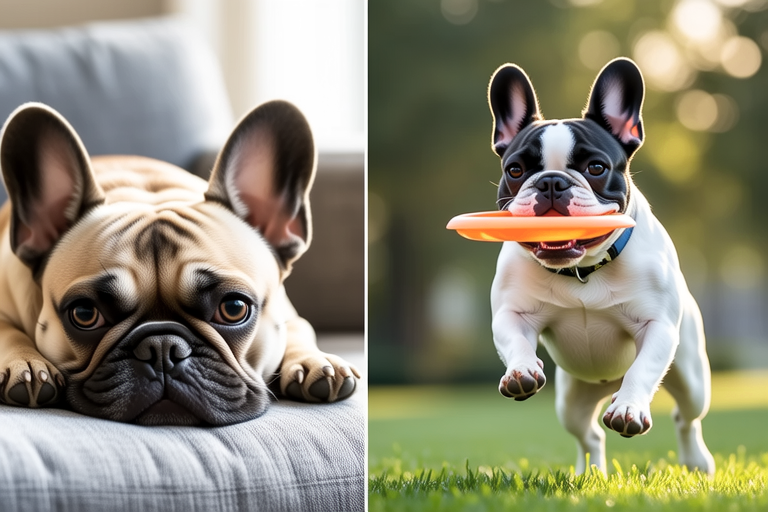
From Couch Potato to Fitness Frenchie: Transforming Your Pet’s Health
Welcome to the journey of transforming your pet from a couch potato into a fitness enthusiast. In this article, we will explore the common health issues associated with inactive pets, highlight the numerous benefits of regular exercise, provide practical tips for increasing your pet’s activity level, and conclude with inspiring success stories.
Common Health Issues Associated with Inactive Pets
Inactivity can lead to various health problems in pets. Obesity is one of the most prevalent issues, often resulting in joint pain, diabetes, and heart disease. Sedentary lifestyles can also cause digestive issues, poor muscle tone, and a weakened immune system. Moreover, lack of physical activity may contribute to behavioral problems such as aggression, destructiveness, and excessive barking.
The Benefits of Regular Exercise for Pets
Regular exercise offers numerous benefits for your pet’s overall well-being. Firstly, it aids in weight management, helping prevent obesity and its associated health risks. Secondly, it improves cardiovascular health, ensuring better circulation and lung function. Additionally, exercise provides mental stimulation, reducing stress and anxiety while enhancing cognitive abilities.
Gradually Increasing Your Pet’s Activity Level
Introducing exercise to your pet should be done gradually to avoid injury. Begin with short walks or play sessions and gradually increase the duration and intensity as your pet becomes more comfortable. For dogs, start with 10-15 minutes of walking per day and increase by 5 minutes each week until you reach a target of 30-60 minutes daily. Cats and other small animals can benefit from interactive toys and playtime, starting with brief periods and extending them as they become more active.
Suitable Exercises for Different Types of Pets
Dogs: Depending on breed and size, suitable exercises include brisk walking, jogging, swimming, fetch, and agility training. Smaller breeds may enjoy shorter, more frequent walks, while larger breeds can handle longer distances. Swimming is particularly beneficial for dogs with joint issues.
Cats: Encourage climbing, chasing laser pointers, and playing with feather toys. Interactive toys like puzzle feeders can stimulate both body and mind. Regular play sessions can help maintain a healthy weight and reduce stress.
Rabbits: Provide ample space for hopping and running, along with tunnels and platforms to explore. Daily exercise outside their enclosure promotes strong muscles and bones.
Birds: Offer opportunities for flying, climbing, and exploring within a safe environment. Rotate toys to keep them engaged and mentally stimulated.
Signs of Overexertion
Recognizing signs of overexertion is crucial for your pet’s safety. Common indicators include excessive panting, drooling, weakness, confusion, and collapse. If you notice any of these symptoms, immediately stop the activity and allow your pet to rest. Ensure they have access to fresh water and monitor their recovery closely. Consult your veterinarian if symptoms persist or worsen.
Nutrition Changes to Complement Increased Activity
As you increase your pet’s activity level, consider adjusting their diet to support their new lifestyle. High-quality pet food rich in protein, vitamins, and minerals is essential for optimal health. Consult your veterinarian to determine the appropriate caloric intake based on your pet’s age, weight, and activity level. Avoid overfeeding, as excess calories can negate the benefits of increased exercise. Incorporate healthy snacks like carrots, apples, or green beans as rewards during training sessions.
Success Stories and Testimonials
Meet Max, a 7-year-old Labrador Retriever who was once a couch potato. His owner, Sarah, noticed that Max had gained significant weight and became lethargic. Concerned about his health, she decided to take action. Sarah began taking Max on short walks twice a day and gradually increased the distance. She also introduced agility training, which Max loved. Within six months, Max lost 20 pounds and regained his playful spirit. “I’m so proud of Max,” says Sarah. “He’s happier, healthier, and more energetic than ever before.”
Jessica, a cat owner, shares her experience with Whiskers, a 5-year-old Siamese cat. “Whiskers used to spend most of his time sleeping,” she recalls. “After incorporating interactive toys and setting up a scratching post, he became more active and engaged. We also started playing with a laser pointer every evening. Whiskers now has a leaner physique and enjoys his playtime.”
Emily, the owner of a rabbit named Thumper, faced challenges when trying to increase his activity level. “Thumper was quite shy and didn’t want to come out of his hutch,” Emily explains. “I set up a large exercise area with tunnels and platforms and introduced him to it gradually. Now, Thumper hops around happily and enjoys exploring his new space.”
Conclusion
Transforming your pet from a couch potato to a fitness enthusiast requires dedication and patience. By addressing common health issues, understanding the benefits of regular exercise, and implementing practical tips, you can significantly improve your pet’s quality of life. Remember to listen to your pet’s needs and consult your veterinarian for personalized advice. With consistent effort and love, you can help your pet achieve a healthier, happier lifestyle.