
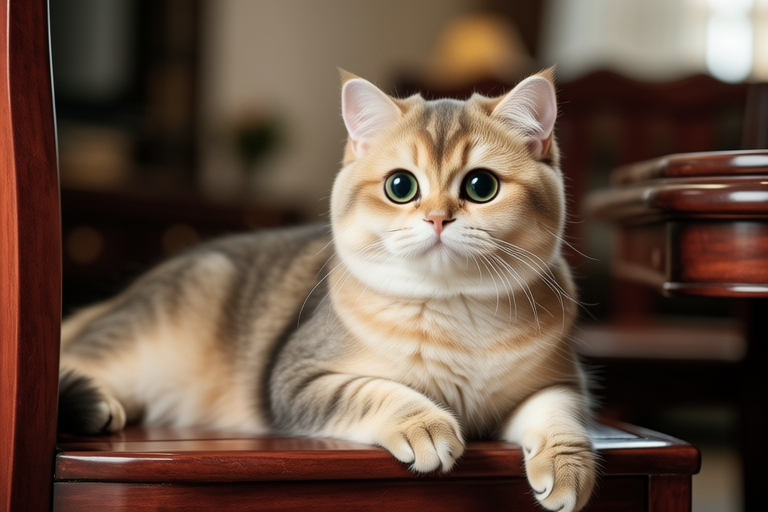
From Royalty to Your Home: Discover the Majestic World of Golden British Shorthairs
The Golden British Shorthair, with its regal appearance and distinguished lineage, has captured the hearts of cat enthusiasts around the world. Known for their luxurious golden coats and gentle dispositions, these felines embody the grace and elegance of royalty. In this article, we will delve into the rich history and origins of the Golden British Shorthair, explore their physical attributes, discuss their temperament, and provide valuable insights into their health, grooming, and common behaviors. We will also offer advice for potential owners on how to best care for these majestic cats, ensuring they transition smoothly from their royal heritage to a loving home environment.
The History and Origins of the Golden British Shorthair
The British Shorthair is one of the oldest cat breeds, originating in Britain during the Roman occupation. These cats were initially brought to the islands by the Romans as working cats to control rodent populations. Over time, they interbred with local wildcats, developing into the robust and sturdy breed we know today. The Golden British Shorthair, a variation of the classic blue variety, first appeared in the late 19th century. Their golden hue, derived from recessive genes, made them stand out among their peers. By the early 20th century, the breed was recognized by the Cat Fanciers’ Association (CFA) and has since become a popular choice for cat lovers worldwide.
The Golden British Shorthair’s lineage can be traced back to the ancient Egyptian cats, which were revered as sacred animals. This connection adds to their regal aura, making them seem almost like living relics of a bygone era. Their presence in a household brings a touch of historical grandeur, connecting modern pet owners to the timeless elegance of these felines.
Physical Attributes: A Symphony of Golden Majesty
The Golden British Shorthair is renowned for its distinctive golden coat, which ranges from light cream to deep gold. The coat is plush and dense, providing excellent insulation against cold weather. This fur requires minimal maintenance, typically shedding only seasonally. The breed’s most striking feature is its round face, which is accentuated by large, expressive eyes that often match the color of their coat. Their ears are small and rounded, adding to their overall roundness and giving them a soft, almost teddy bear-like appearance.
Another notable characteristic of the Golden British Shorthair is its muscular build. Despite their relatively small size, they have a well-developed musculature, making them strong and agile. Their short legs and broad chest give them a solid, sturdy appearance, further emphasizing their regal bearing. Their tails are thick and bushy, adding to their overall majestic look.
Temperament: Gentle Companions of Royal Descent
Beyond their striking appearance, the Golden British Shorthair is celebrated for its calm and gentle temperament. They are known for their affectionate nature, often forming strong bonds with their human companions. These cats are highly social and enjoy interacting with people, making them ideal pets for families and individuals alike. Their even-tempered disposition means they are generally tolerant of children and other pets, provided they are introduced properly.
Golden British Shorthairs are not overly active, preferring a more relaxed lifestyle. They are content lounging on a sunny windowsill or curled up next to their favorite person. However, they are not entirely inactive; they enjoy playtime and interactive toys that stimulate their minds and bodies. Their playful nature, combined with their affectionate demeanor, makes them delightful companions.
Health and Grooming Needs
Despite their robust appearance, the Golden British Shorthair is generally a healthy breed. However, like all purebred cats, they are susceptible to certain hereditary conditions. Potential owners should be aware of these issues and consult with reputable breeders who conduct health screenings. Common health concerns include hypertrophic cardiomyopathy (HCM), a heart condition that can affect some cats, and polycystic kidney disease (PKD), a genetic disorder that can lead to kidney failure.
Grooming the Golden British Shorthair is straightforward due to their short, dense coat. Regular brushing helps remove loose hair and prevents matting, especially during seasonal shedding. Bathing is usually unnecessary unless the cat gets particularly dirty. Owners should also pay attention to their dental hygiene, as dental issues can lead to serious health problems if left untreated. Providing appropriate chew toys and regular dental check-ups can help maintain good oral health.
Common Behaviors and Training
Golden British Shorthairs are intelligent and trainable cats. They respond well to positive reinforcement techniques, such as treats and praise, when learning new commands or tricks. They can be taught to use a scratching post, come when called, and even perform simple tricks. Early socialization is crucial for shaping their behavior and ensuring they grow into well-adjusted adults.
These cats are known for their curious and investigative nature. They enjoy exploring their surroundings and can often be found checking out every nook and cranny of their environment. Providing them with stimulating toys and activities can help keep them engaged and prevent boredom-related behaviors.
Caring for Your Golden British Shorthair
Bringing a Golden British Shorthair into your home is a rewarding experience, but it also comes with responsibilities. Here are some tips for ensuring your cat thrives:
- Proper Nutrition: Feed your cat a balanced diet that meets their nutritional needs. Consult with your veterinarian to determine the best food for your cat based on age, activity level, and any specific health concerns.
- Regular Vet Check-Ups: Schedule routine visits to the vet for vaccinations, dental check-ups, and general health assessments. Early detection of health issues can improve outcomes and quality of life.
- Safe Environment: Create a safe and comfortable living space for your cat. Provide plenty of hiding spots, climbing structures, and cozy resting areas. Ensure all household toxins and hazards are kept out of reach.
- Mental Stimulation: Engage your cat’s mind with interactive toys, puzzles, and games. Mental stimulation is essential for maintaining their cognitive function and preventing behavioral issues.
- Love and Attention: Spend quality time with your cat, showing them affection and engaging in play. A strong bond between you and your cat will contribute to their overall happiness and well-being.
By following these guidelines, you can ensure your Golden British Shorthair transitions smoothly from their royal heritage to a loving home environment. With proper care and attention, these majestic cats will bring years of joy and companionship to your family.
Conclusion: Embrace the Grandeur of Golden British Shorthairs
The Golden British Shorthair is more than just a beautiful cat; they are a testament to centuries of breeding excellence and a symbol of regal grace. Their golden coats, round faces, and gentle temperaments make them a cherished addition to any home. By understanding their history, physical attributes, and unique needs, potential owners can provide the love and care these magnificent creatures deserve.
Embrace the grandeur of the Golden British Shorthair and welcome them into your home. Let their royal lineage inspire you as they bring warmth, companionship, and joy to your everyday life. With their majestic presence, these cats truly embody the spirit of royalty, transforming any home into a palace of feline elegance.