
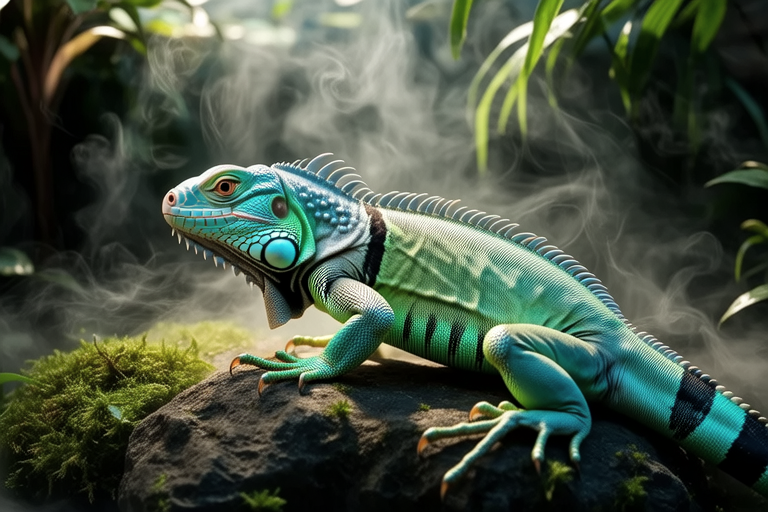
Splendid Japalure Care Guide: Tips for New and Experienced Owners
Welcome to the world of Japalures! These delightful creatures are unique, requiring special care and attention. This comprehensive guide aims to provide you with all the necessary information to ensure your Japalure thrives in its new home.
Diet
Understanding your Japalure’s dietary needs is crucial for its health and well-being. Japalures have specific nutritional requirements that must be met to maintain their vibrant feathers and active lifestyle.
New Owner Tips
- High-Quality Pellets: Start with high-quality pellets designed specifically for Japalures. These pellets offer balanced nutrition and can be supplemented with fresh fruits and vegetables.
- Variety: Introduce a variety of foods to ensure your Japalure gets all the nutrients it needs. Rotate between different types of pellets and fresh produce to prevent boredom.
- Fruits and Vegetables: Offer a mix of fruits and vegetables daily. Opt for leafy greens like spinach, kale, and parsley, as well as fruits such as apples, berries, and bananas.
Experienced Owner Tips
- Supplements: Consider adding vitamins or minerals if your Japalure shows signs of deficiency. Consult with a veterinarian to determine the right supplements for your bird.
- Monitor Weight: Keep an eye on your Japalure’s weight and adjust its diet accordingly. Overweight birds may face health issues, so maintaining a healthy weight is important.
- Hydration: Always provide fresh water. Some Japalures enjoy bathing, which can help keep them hydrated and their feathers clean.
Housing
The housing of your Japalure plays a significant role in its happiness and comfort. The enclosure should be spacious, safe, and stimulating.
New Owner Tips
- Size Matters: Choose a cage large enough for your Japalure to move around comfortably. A minimum size of 24 inches wide, 18 inches deep, and 36 inches tall is recommended.
- Perches: Provide perches of varying diameters to encourage foot exercise and prevent foot deformities. Natural branches are ideal, but ensure they’re cleaned and disinfected before use.
- Toys: Stimulate your Japalure with toys. Puzzle toys, mirrors, and chewable items are great options. Rotate toys regularly to prevent boredom.
Experienced Owner Tips
- Environmental Enrichment: Enhance your Japalure’s environment by providing natural elements like vines, branches, and plants. Ensure any additions are non-toxic.
- Placement: Place the cage in a quiet area away from drafts and direct sunlight. Avoid placing it near windows where it could be exposed to sudden temperature changes.
- Cleaning: Regularly clean the cage to maintain hygiene. Use mild, pet-safe cleaners and thoroughly rinse to remove any residue.
Health Care
Regular health checks and preventative care are essential for keeping your Japalure in top condition. Early detection of potential issues can save your bird’s life.
New Owner Tips
- Annual Check-Ups: Schedule annual visits with a veterinarian who specializes in avian care. These check-ups can help catch problems early.
- Signs of Illness: Familiarize yourself with signs of illness, such as lethargy, loss of appetite, or abnormal droppings. Seek veterinary care immediately if you notice any of these signs.
- Parasite Prevention: Protect your Japalure from parasites by maintaining a clean environment and using appropriate treatments as recommended by your vet.
Experienced Owner Tips
- Behavior Changes: Monitor any changes in behavior that might indicate underlying health issues. Sudden aggression, reduced vocalization, or unusual feather plucking can be red flags.
- Emergency Preparedness: Have a plan in place for emergencies. Keep a list of emergency contacts, including veterinarians and pet stores, readily available.
- Nutritional Supplements: Discuss with your veterinarian about the necessity of additional nutritional supplements based on your Japalure’s specific needs.
Training
Training your Japalure can strengthen the bond between you and your bird, making interactions more enjoyable for both of you.
New Owner Tips
- Positive Reinforcement: Use positive reinforcement techniques, such as treats and praise, to encourage desired behaviors. Avoid punishment, as it can lead to fear and distrust.
- Basic Commands: Start with basic commands like “step up,” “down,” and “stay.” Consistency is key when teaching these commands.
- Patience: Be patient during training sessions. Birds learn at their own pace, and frequent short sessions are more effective than long, stressful ones.
Experienced Owner Tips
- Advanced Tricks: Once your Japalure has mastered basic commands, you can introduce more advanced tricks. Training can be a fun way to challenge your bird’s intellect.
- Consistency: Maintain consistency in training to reinforce learned behaviors. Regular practice helps your Japalure retain what it has learned.
- Interactive Toys: Use interactive toys to stimulate your Japalure’s mind. Puzzle toys and games can help keep your bird engaged and mentally sharp.
Social Interaction
Japalures are social creatures that thrive on interaction. Providing ample opportunities for socialization can enhance their quality of life.
New Owner Tips
- Spending Time Together: Spend time with your Japalure each day. This helps build trust and strengthens the bond between you.
- Play Sessions: Incorporate play sessions into your routine. These sessions can include supervised out-of-cage time, interactive toys, and gentle handling.
- Introducing Others: Gradually introduce your Japalure to other family members, ensuring they approach calmly and gently. This helps your bird become comfortable with new people.
Experienced Owner Tips
- Group Interactions: If you have multiple Japalures, observe their interactions closely. Ensure they get along well and provide adequate space for each bird.
- Handling: Continue to handle your Japalure regularly to maintain trust. Gently stroke its feathers and speak softly to reassure your bird.
- Outings: Take your Japalure on outings to expose it to new environments. Always ensure safety by keeping it securely restrained and supervised.
Common Challenges and Solutions
As an owner, you may encounter various challenges. Here are some common issues and practical solutions:
- Biting: Biting can occur due to fear, discomfort, or overstimulation. Redirect the behavior with positive reinforcement and avoid punishing your bird.
- Feather Plucking: Feather plucking may result from stress, boredom, or health issues. Address the root cause by improving the environment, providing more stimulation, and consulting a veterinarian.
- Overeating: Overeating can lead to obesity. Control portion sizes and offer a balanced diet. Encourage physical activity to promote a healthy weight.
With proper care, your Japalure will be a joyful companion for years to come. Remember, every bird is unique, so tailor your care to meet your Japalure’s individual needs. Stay informed, seek professional advice when needed, and enjoy the rewarding experience of owning a Japalure.