
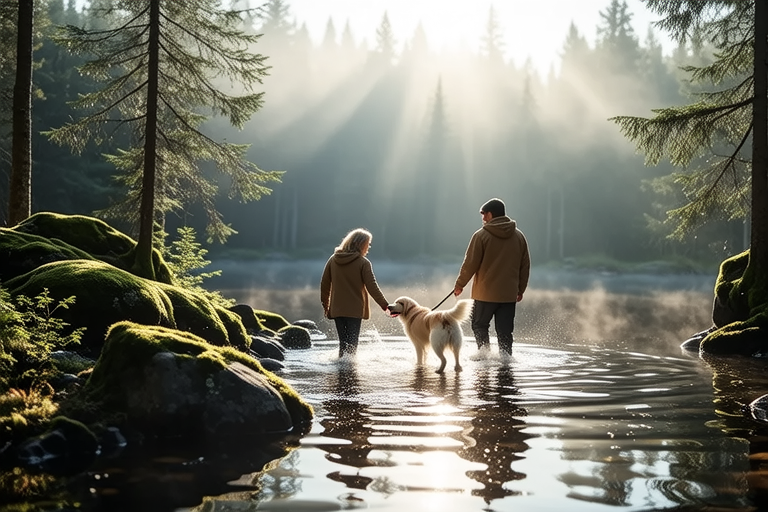
How Norwegians Are Raising Their Pets in Harmony with Nature
Norway, a country known for its breathtaking landscapes, has long embraced a culture that values nature and outdoor activities. This ethos extends to pet ownership, where Norwegian pet owners have developed unique ways to raise their animals in harmony with the natural environment. From traditional practices passed down through generations to innovative modern methods, Norwegians are setting an example of responsible pet ownership that prioritizes the well-being of their pets and the sustainability of their surroundings.
Traditional Practices: A Legacy of Respect for Nature
The bond between Norwegians and their pets is deeply rooted in tradition. Historically, dogs were essential companions for herding and hunting. These practices instilled a sense of respect for the natural world, as dogs were trained to work alongside humans without disturbing wildlife or damaging the environment. Today, many Norwegian pet owners continue these traditions by engaging in outdoor activities such as hiking and skiing with their pets. Dogs are often seen accompanying their owners on winter treks across snow-covered mountains, their paws leaving imprints in the pristine landscape.
Cats, too, have been part of Norwegian life for centuries. In rural areas, they were valued for their ability to control rodent populations, thus protecting crops and homes. This role has evolved into a more companion-oriented relationship, but the emphasis on allowing cats to roam freely in safe, natural settings remains. Many Norwegian households have cat runs or designated outdoor areas where felines can explore and hunt small prey under supervision.
Modern Approaches: Integrating Technology with Nature
While traditional practices remain strong, modern Norwegian pet owners are also adopting innovative methods to ensure their pets thrive in a natural environment. One such approach is the use of GPS tracking devices. These tools allow pet owners to monitor their animals’ movements, ensuring they stay within safe boundaries while still enjoying the freedom of the outdoors. For instance, during summer months when Norway’s long daylight hours encourage extended outdoor play, GPS trackers provide peace of mind for owners who might be away from home for extended periods.
Another modern trend is the development of eco-friendly pet products. Norwegian companies are leading the way in producing sustainable pet toys, bedding, and food. Made from renewable materials like bamboo and organic cotton, these products not only benefit the environment but also offer healthier options for pets. Additionally, some Norwegian pet food brands focus on sourcing ingredients locally, reducing the carbon footprint associated with transportation and supporting local agriculture.
Benefits for Pet Health and Well-being
Raising pets in harmony with nature offers numerous benefits for their health and well-being. The vast open spaces of Norway provide ample opportunities for physical exercise, which is crucial for maintaining a healthy weight and preventing obesity-related diseases. Regular exposure to natural light and fresh air also supports mental health, reducing stress and anxiety in pets. Moreover, the varied terrain and diverse wildlife encountered during outdoor activities stimulate pets’ senses, enhancing their cognitive function and overall quality of life.
For dogs, the social aspect of group walks and hikes in natural settings fosters strong bonds with their human companions and other animals. Cats, on the other hand, benefit from the mental stimulation provided by exploring their outdoor territories, which helps prevent behavioral issues such as aggression or destructive behavior.
Community Involvement: A Shared Commitment to Sustainability
The commitment to raising pets in harmony with nature is not limited to individual households; it is a collective effort supported by the broader community. Local governments and organizations have implemented initiatives to create pet-friendly parks and trails that promote responsible pet ownership and environmental stewardship. These spaces are designed with both pets and wildlife in mind, featuring designated areas for dogs to run off-leash and facilities for waste disposal.
In addition, community events and workshops educate pet owners about best practices for integrating their animals into natural environments. Topics covered include proper leash training, waste management, and the importance of respecting wildlife habitats. By fostering a sense of shared responsibility, these programs encourage a culture of sustainability that benefits both pets and the environment.
Sustainability Efforts: Protecting the Environment for Future Generations
Norwegian pet owners are increasingly aware of the impact their choices have on the environment and are taking steps to minimize their ecological footprint. Many opt for eco-friendly pet care products made from sustainable materials and produced using environmentally friendly manufacturing processes. Others participate in community clean-up efforts aimed at removing litter from public spaces, including those frequented by pets.
One notable initiative is the establishment of “green pet cemeteries,” where deceased pets are buried in designated areas rather than cremated. This practice not only reduces energy consumption but also returns nutrients to the soil, promoting plant growth and biodiversity. Furthermore, some pet owners choose to adopt rescue animals, providing loving homes for creatures that might otherwise face uncertain futures.
Cultural Significance: An Integral Part of Norwegian Identity
The practice of raising pets in harmony with nature is deeply ingrained in Norwegian culture, reflecting the country’s strong connection to its natural heritage. It is a testament to the belief that humans and animals can coexist peacefully and respectfully within the same ecosystem. This philosophy is reflected in the national parks and protected areas that dot the Norwegian landscape, where visitors are encouraged to leave no trace and respect wildlife.
Moreover, the integration of pets into daily life in Norway is celebrated through festivals and competitions that highlight the special bond between humans and animals. Events such as sled dog races and agility competitions bring communities together, fostering a sense of unity and shared purpose. These activities not only showcase the skills and abilities of pets but also promote awareness of the importance of responsible pet ownership.
Conclusion: A Model for Responsible Pet Ownership
By blending traditional wisdom with modern innovations, Norwegians have created a model of responsible pet ownership that prioritizes the health and well-being of animals while preserving the natural environment. Through community involvement and sustainability efforts, Norwegian pet owners demonstrate a commitment to raising their pets in harmony with nature. As the world continues to grapple with challenges related to environmental conservation and animal welfare, the Norwegian approach offers valuable lessons for pet owners everywhere.