
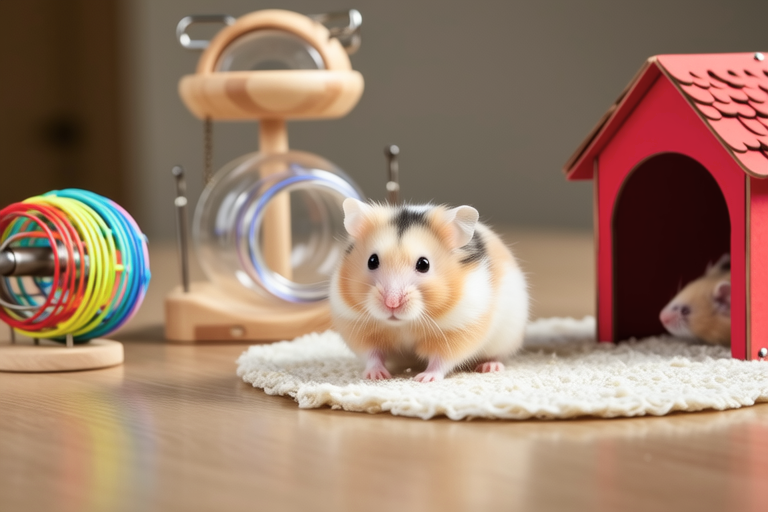
The Ultimate Guide to Choosing the Perfect Hamster Toy
Hamsters are small, energetic creatures that require regular exercise and mental stimulation to stay healthy and happy. Providing your pet with the right toys can help meet these needs while keeping them entertained. This guide will walk you through everything you need to know about choosing the perfect hamster toy, from understanding their play needs to safety considerations and breed-specific recommendations.
Understanding Hamster Play Needs
Hamsters are nocturnal animals, meaning they are most active during the night. They have a natural instinct to burrow, climb, and explore, which can be satisfied through appropriate toys. A well-chosen toy can provide mental and physical stimulation, helping to prevent boredom and stress. It’s important to consider your hamster’s natural behaviors and instincts when selecting toys. For example, hamsters love to dig and hide, so providing tunnels or boxes can satisfy this urge.
In addition to physical activity, mental stimulation is crucial for hamster well-being. Toys that encourage problem-solving or exploration can keep your hamster engaged and mentally sharp. Consider toys that challenge your pet to retrieve treats or navigate mazes. These activities can help prevent behavioral issues such as chewing on cage bars or excessive digging.
Types of Toys Available
There are numerous types of hamster toys available, each designed to cater to different aspects of their behavior and needs. Here’s an overview of some popular options:
- Tunnels and Bridges: These items allow hamsters to burrow and explore, mimicking their natural habitat. Tunnels come in various shapes and sizes, offering opportunities for your pet to create complex burrows.
- Wheels: Exercise wheels are essential for hamsters, as they enjoy running. Ensure the wheel is the correct size for your hamster; too large or too small can cause discomfort or injury. Look for solid-surface wheels to prevent paws from getting caught.
- Balls: Hamster balls offer a safe way for your pet to explore outside its cage. Make sure the ball is the appropriate size and has adequate ventilation. Never leave your hamster unsupervised in a ball.
- Mazes and Ladders: These toys challenge your hamster’s problem-solving skills. Mazes with treat compartments encourage exploration and reward for reaching certain points.
- Chew Toys: Chewing is an essential activity for hamsters. Chew toys made from safe materials like untreated wood or cardboard help maintain dental health and provide entertainment.
- Hammocks and Hideaways: These soft items provide comfort and security. Ensure any fabric used is safe and non-toxic.
Safety Considerations for Hamster Toys
While it’s exciting to introduce new toys, safety should always be a priority. Here are some key considerations:
- Toxin-Free Materials: Avoid toys made from toxic substances or those that could release harmful chemicals when chewed. Opt for natural materials like untreated wood or food-grade plastics.
- No Small Parts: Ensure all parts of the toy are securely attached and cannot be swallowed or ingested. Check regularly for loose pieces and replace any damaged toys immediately.
- Adequate Ventilation: If using a hamster ball or similar enclosed toy, ensure there are sufficient air holes to prevent suffocation.
- Size Appropriateness: Choose toys that fit comfortably within the cage space without overcrowding. Overly large toys may restrict movement and access to food and water.
- Non-Slip Surfaces: Some toys, especially exercise wheels, should have non-slip surfaces to prevent accidents.
How to Introduce New Toys
Introducing new toys gradually allows your hamster to adjust and explore at its own pace. Follow these steps to safely introduce new toys:
- Inspect the Toy: Before placing the toy in the cage, thoroughly inspect it for any potential hazards. Remove any packaging or tags.
- Place Near Food Bowl: Position the new toy near your hamster’s food bowl. The smell of familiar food may encourage your pet to investigate the toy.
- Monitor Initially: Keep an eye on your hamster during the first few days after introducing the toy. Observe how it interacts with the item and watch for any signs of distress or discomfort.
- Rotate Toys: Regularly rotate toys to keep your hamster interested and engaged. Introduce one new toy at a time and remove others temporarily to avoid overwhelming your pet.
Recommendations Based on Hamster Breed and Size
Different hamster breeds have varying physical characteristics and behaviors, influencing their toy preferences. Here are some breed-specific recommendations:
Syrian Hamsters
Syrian hamsters are solitary and larger than other breeds. They benefit from spacious cages and toys that allow for extensive exploration:
- Large Tunnels: Syrian hamsters enjoy creating intricate tunnel systems. Provide multiple interconnected tunnels to mimic their natural burrowing behavior.
- Exercise Wheels: Due to their size, Syrians require larger wheels (at least 8 inches in diameter) to run comfortably.
- Hammocks: Syrians appreciate soft, cozy places to rest. Ensure the hammock is securely fastened within the cage.
Roborovski Hamsters
Roborovski hamsters are smaller and more agile than Syrians. They thrive in environments with plenty of vertical space:
- Small Tunnels: Roborovskis enjoy narrow tunnels that challenge their agility. Provide multiple tunnels to keep them engaged.
- Ladders and Bridges: These toys encourage climbing and jumping, satisfying their natural inclinations.
- Exercise Balls: Roborovskis are quick runners and enjoy exploring outside their cage. An appropriately sized ball provides a safe outlet for this energy.
Chinese Hamsters
Chinese hamsters are known for their long tails and agility. They enjoy climbing and jumping:
- Vertical Toys: Chinese hamsters benefit from toys that allow vertical exploration, such as ladders and bridges.
- Exercise Wheels: Ensure the wheel is the correct size for your Chinese hamster, typically around 6 inches in diameter.
- Chew Toys: Providing chew toys helps maintain dental health and keeps these active pets entertained.
Tips for Selecting Durable, Appropriate, and Stimulating Toys
When selecting toys for your hamster, consider the following tips:
- Durability: Choose toys made from sturdy materials that can withstand regular chewing and playing. Look for products specifically designed for small animals.
- Appropriateness: Ensure the toy is suitable for your hamster’s age, size, and breed. Avoid toys that are too small or large for your pet.
- Stimulation: Opt for toys that engage your hamster both physically and mentally. Rotate toys periodically to prevent boredom and keep your pet interested.
- Comfort: Some toys, like hammocks and hideaways, should prioritize comfort and security. Ensure these items are soft, non-toxic, and easy for your hamster to access.
By considering your hamster’s unique needs and preferences, you can select toys that promote physical and mental health while ensuring a fun and enriching environment.