
The Unique Facial Expressions of Shiba Inus: Origins, Meanings, and Interpretation
The Shiba Inu is a small, agile Japanese breed known for its fox-like appearance and distinctive facial expressions. These expressions, ranging from the famous ‘Shiba smile’ to the squinty eyes, have intrigued dog enthusiasts and researchers alike. To fully appreciate the nuances of these expressions, it’s essential to delve into the historical context of the breed, its native characteristics, and the evolutionary factors that have shaped its enigmatic appearance.
Historical Context and Native Characteristics
The Shiba Inu is one of the oldest dog breeds in Japan, dating back over 3,000 years. Originally bred for hunting in the mountainous regions of Japan, Shibas were valued for their agility, sharp senses, and ability to navigate rugged terrain. Their small size and independent nature made them ideal for flushing out prey, such as birds and small mammals. The breed’s name, ‘Shiba,’ translates to ‘brushwood,’ referring to the dense vegetation of the mountains where they originated. This background has contributed to their robust health and resilience, as well as their strong-willed and sometimes stubborn temperament.
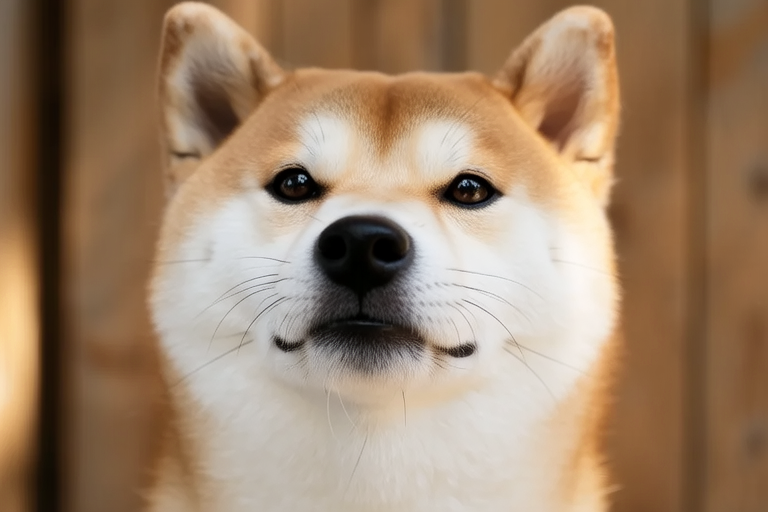
Native to Japan, Shibas are characterized by their small stature, thick double coat, and triangular ears. Their fox-like features, including a pointed muzzle and almond-shaped eyes, set them apart from other breeds. These physical traits have evolved over centuries to suit their environment and role as hunting dogs. The breed’s small size allowed them to move quickly through dense forests, while their thick coat provided insulation against the cold mountain winters. The triangular ears, meanwhile, enhance their hearing, enabling them to detect even the slightest sounds of potential prey.
The ‘Shiba Smile’: A Behavioral and Evolutionary Perspective
The ‘Shiba smile’ is perhaps the most recognizable expression of the breed. It refers to the characteristic upturn of the corners of the mouth, giving the impression of a smile. This expression is often seen when the dog is relaxed, content, or engaged in play. However, contrary to popular belief, the ‘Shiba smile’ is not a sign of happiness but rather an indication of submission or appeasement. From a behavioral perspective, this expression is a way for the dog to signal to others that it means no harm and is not a threat. It is a form of social communication that helps prevent conflicts and maintains harmony within the pack.
From an evolutionary standpoint, the ‘Shiba smile’ can be attributed to the breed’s history as a hunting dog. In the wild, animals that exhibit submissive behaviors are less likely to provoke attacks from predators or dominant members of their own species. By displaying a ‘smile,’ Shibas may have been able to avoid unnecessary confrontations, allowing them to focus on their primary task of hunting. Over time, this behavior became ingrained in the breed, leading to the ‘Shiba smile’ we see today.
Experts in canine cognition and body language agree that the ‘Shiba smile’ is a form of appeasement behavior. According to Dr. Stanley Coren, author of ‘How to Speak Dog,’ this expression is part of a broader set of signals that dogs use to communicate with humans and other animals. In his book, Coren explains that dogs have developed these signals over thousands of years of living alongside humans, adapting their behaviors to fit different social contexts. The ‘Shiba smile’ is just one example of how Shibas have honed their ability to convey specific messages through their facial expressions.
Squinty Eyes: A Sign of Trust and Comfort
Another iconic feature of the Shiba Inu is their squinty eyes, which give them a perpetually sleepy or amused appearance. While this expression might seem whimsical, it actually serves a functional purpose. Squinting reduces the amount of light entering the eye, which can be beneficial in bright environments. Additionally, squinting can help reduce glare, improving the dog’s vision in certain conditions. From a behavioral perspective, squinty eyes are often associated with trust and comfort. When a Shiba feels safe and secure, it may relax its facial muscles, leading to the characteristic squint.
Evolutionarily speaking, the squinty-eyed expression could be linked to the breed’s hunting heritage. In the wild, animals that can adapt their visual perception to varying light conditions are more likely to survive. By squinting, Shibas may have been able to maintain clear vision during hunts, especially in environments with fluctuating light levels. Over time, this behavior became a hallmark of the breed, contributing to their distinctive appearance.
Research in canine cognition supports the idea that squinty eyes are a sign of trust and comfort. A study published in the journal Animal Cognition found that dogs are more likely to approach and interact with humans who display relaxed facial expressions, including squinty eyes. The researchers concluded that these expressions are interpreted by dogs as signs of friendliness and non-threatening behavior. This finding suggests that the squinty-eyed expression of Shibas may serve as a way to establish positive relationships with humans and other animals.
Interpreting Shiba Inu Expressions for Better Understanding and Bonding
To interpret your Shiba Inu’s expressions effectively, it’s important to observe their overall body language and context. While the ‘Shiba smile’ and squinty eyes are common expressions, they can vary depending on the situation. For example, a ‘smile’ accompanied by a wagging tail and relaxed posture indicates contentment, while the same expression paired with tense muscles and a lowered head may signal submission or fear. Similarly, squinty eyes can indicate trust and comfort when the dog is at ease, but they may also signal tiredness or discomfort if the dog is overstimulated.
One effective way to understand your Shiba Inu’s expressions is to engage in regular training and socialization. Positive reinforcement training, which involves rewarding desired behaviors, can help strengthen the bond between you and your dog. During training sessions, pay close attention to your Shiba’s facial expressions and body language. If your dog seems comfortable and relaxed, it’s likely responding positively to the training. Conversely, if your dog appears tense or anxious, it may be time to take a break and try again later.
Additionally, spending quality time with your Shiba Inu can provide valuable insights into its expressions and behaviors. Playtime, walks, and cuddle sessions are all opportunities to observe your dog’s reactions to different stimuli. By paying attention to your Shiba’s facial expressions and body language during these activities, you can gain a deeper understanding of its emotions and needs. This knowledge can help you respond appropriately to your dog’s signals, fostering a stronger bond and improving communication.
In conclusion, the unique facial expressions of the Shiba Inu are a fascinating aspect of the breed’s character. From the ‘Shiba smile’ to the squinty eyes, these expressions serve both behavioral and evolutionary purposes, reflecting the breed’s history as a hunting dog and its ongoing relationship with humans. By understanding the origins and meanings of these expressions, owners can better interpret their Shiba Inu’s emotions and needs, leading to improved communication and a stronger bond. With patience, observation, and engagement, you can unlock the secrets of your Shiba Inu’s enigmatic appearance and deepen your connection with this remarkable breed.