
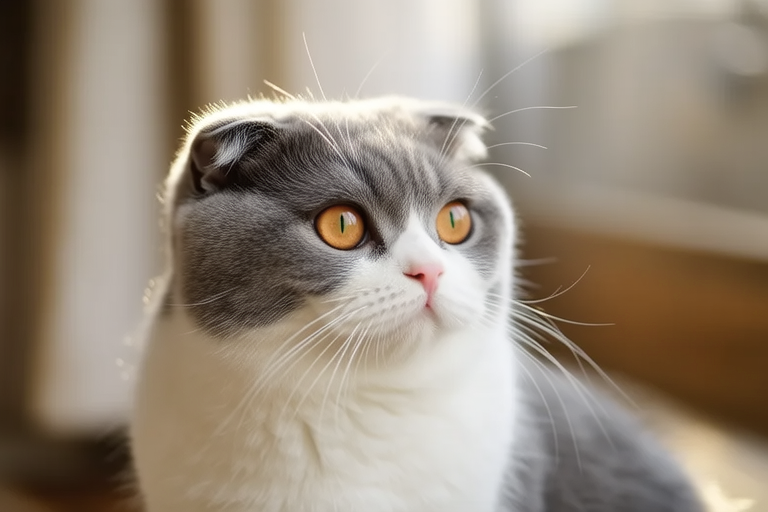
The Secret Life of Scottish Folds: Behind Their Adorable Ears
When it comes to feline companions, few breeds capture hearts as quickly as the Scottish Fold. This breed is instantly recognizable due to its most distinctive feature: folded ears that give them a perpetually curious and endearing expression. But there’s much more to these charming cats than meets the eye. From their intriguing history to their unique personalities, Scottish Folds have a secret life that is as fascinating as it is rewarding for those lucky enough to share it.
The Unique Physical Feature: Folded Ears
The hallmark of the Scottish Fold is its distinctive ear fold, which occurs naturally due to a genetic mutation. The cartilage in the upper part of the ear folds forward and downward, giving the cat a look that some describe as resembling an owl or a stuffed toy. Not all kittens born to Scottish Fold parents will inherit this trait; only those with two copies of the dominant gene responsible for the fold will develop the characteristic ears. These cats typically start showing signs of ear folding at around three weeks of age.
A Brief History of the Breed
The origins of the Scottish Fold can be traced back to 1961 in Scotland, when a white barn cat named Susie was discovered with unusual folded ears near a farm in Perthshire. She was bred with a local tomcat, and some of their kittens inherited her unique ear shape. One of Susie’s descendants, a white female kitten named Snooks, was the first to be officially recognized as a Scottish Fold. The breed was initially called “Lop-Eared Cats” before being renamed “Scottish Folds” in 1966. Despite their initial popularity, the breed faced setbacks due to concerns over health issues associated with the gene responsible for the folded ears.
Personality Traits and Behavior
Scottish Folds are known for their calm and gentle demeanor, making them excellent companions for families and individuals alike. They tend to be affectionate but not overly demanding, often seeking out quiet moments with their human companions. These cats are generally good-natured and adapt well to different environments, though they may be somewhat reserved around strangers. Their curiosity often leads them to explore their surroundings, and they enjoy interactive playtime with toys that stimulate their minds.
Common Health Issues and Care Tips
While Scottish Folds are generally healthy cats, there are some health concerns associated with their folded ears. The most significant issue is osteochondrodysplasia, a condition affecting bone development that can lead to painful joint problems. This condition is linked to the same gene that causes their folded ears, and it is why many reputable breeders avoid breeding two folded-eared cats together. Regular veterinary check-ups and a balanced diet are crucial for maintaining their overall health.
Care for Scottish Folds involves routine grooming to keep their coats shiny and free from mats. Their dense fur requires brushing at least twice a week, especially during shedding seasons. Additionally, providing them with plenty of mental and physical stimulation through play and interactive toys can help prevent boredom and maintain their physical fitness.
Interaction with Humans and Myths Surrounding the Breed
Scottish Folds are known for their ability to form strong bonds with their human families. They are social creatures who appreciate regular interaction and attention but are also independent enough to entertain themselves when needed. Their intelligence and curiosity make them highly trainable, allowing them to learn tricks and respond to commands. However, it’s important to dispel certain myths about the breed. For example, contrary to popular belief, Scottish Folds are not prone to aggression or behavioral issues simply because of their folded ears.
One myth that has persisted is that Scottish Folds are less active than other breeds. While they may be more sedentary compared to some high-energy breeds, they still require regular exercise to stay healthy. Interactive play sessions and climbing structures can provide the necessary physical activity while also fostering a deeper bond between the cat and its owner.
Advice for Potential Owners
If you’re considering adopting a Scottish Fold, it’s essential to do your research and find a reputable breeder who prioritizes the health and well-being of their cats. Look for breeders who practice responsible breeding techniques and are knowledgeable about the potential health risks associated with the folded ear gene. Once you bring your new companion home, ensure they receive proper veterinary care, including vaccinations and routine check-ups.
Creating a stimulating environment is key to keeping your Scottish Fold happy and healthy. Provide them with a variety of toys, scratching posts, and comfortable resting spots. Spend quality time playing with your cat daily to strengthen your bond and keep them mentally engaged. Lastly, be prepared for the unconditional love and companionship that comes with owning a Scottish Fold. Their unique appearance and gentle nature make them truly one-of-a-kind pets.