
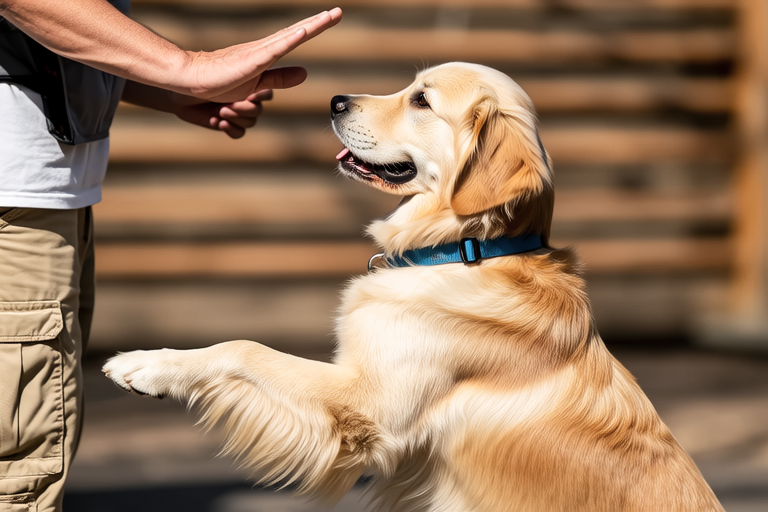
Top Tips for Training Your Energetic Golden Retriever
Welcome to this comprehensive guide on training your energetic Golden Retriever! Whether you’re a first-time owner or a seasoned handler, this article will provide you with practical tips and insights to help you establish a strong bond with your furry friend. We’ll cover everything from setting up a routine to managing separation anxiety, ensuring your Golden Retriever becomes a well-behaved, happy companion.
Establishing a Routine
Golden Retrievers thrive on structure and consistency. Creating a daily routine helps them understand what’s expected of them and reduces anxiety. Start by scheduling regular feeding times, walks, and play sessions. This predictability can also aid in toilet training, as your dog will learn when it’s time to go outside.
Include short, frequent training sessions within your routine. These sessions should be fun and engaging, lasting no more than 10-15 minutes at a time. Keep them light-hearted to maintain your dog’s interest and enthusiasm.
Basic Commands
Teaching your Golden Retriever basic commands like ‘sit’, ‘stay’, ‘come’, and ‘leave it’ is crucial for their safety and your peace of mind. Use positive reinforcement, rewarding your dog with treats and praise each time they successfully follow a command.
For example, to teach ‘sit’, hold a treat above your dog’s head and move it slightly back. As your dog lifts its head to follow the treat, its bottom should naturally lower into a sitting position. Once they sit, say ‘sit’ and reward them immediately. Consistency is key; always use the same word for the same command.
Gradually increase the difficulty by adding distractions and fading out treats over time. Remember, patience is essential, especially with an energetic breed like the Golden Retriever.
Mental Stimulation
Golden Retrievers are intelligent and need mental challenges to keep their minds sharp. Incorporate puzzle toys, obedience training, and scent work into your daily routine. These activities engage their problem-solving skills and reduce destructive behaviors caused by boredom.
Scent work is particularly beneficial for Goldens. Hide treats around the house or yard and encourage your dog to find them. This activity taps into their natural hunting instincts and provides a satisfying challenge.
Interactive toys that dispense treats when manipulated also offer mental stimulation. Rotate these toys periodically to maintain your dog’s interest and prevent them from becoming bored.
Physical Exercise
Physical activity is vital for your Golden Retriever’s overall health and well-being. Regular exercise helps burn off excess energy, preventing hyperactivity and destructive behavior. Aim for at least one hour of exercise per day, including brisk walks, jogging, or playing fetch.
Vary the types of exercise to keep things interesting. Swimming is an excellent low-impact activity for Golden Retrievers, given their love for water. Additionally, consider agility training, which combines physical exertion with mental engagement.
Remember, puppies under 1 year old require shorter, less intense exercise sessions due to their developing joints. Gradually increase the duration and intensity as they grow.
Positive Reinforcement Techniques
Positive reinforcement is the cornerstone of effective training. It involves rewarding desired behaviors with treats, praise, or playtime. This method strengthens the bond between you and your dog while encouraging good behavior.
When using treats, choose small, healthy options like pieces of chicken or cheese. Avoid overfeeding by incorporating these treats into your dog’s daily calorie intake. Verbal praise and petting can also serve as powerful rewards.
To effectively use positive reinforcement, ensure the reward is immediate and consistent. Timing is crucial; reward the behavior as soon as it occurs to reinforce the connection between the action and the reward.
Be patient and persistent. Some dogs may take longer to learn than others, but with consistent effort, your Golden Retriever will respond positively to your training efforts.
Managing Separation Anxiety
Separation anxiety is common among dogs, especially those who are highly attached to their owners. Signs include excessive barking, chewing, pacing, or defecating indoors when left alone.
To manage separation anxiety, gradually accustom your dog to being alone. Start by leaving them for short periods and gradually increasing the duration. Use calming aids like pheromone diffusers or white noise machines to create a soothing environment.
Create a safe space for your dog where they feel secure. A crate can be useful if your dog is crate-trained, providing a den-like atmosphere. Leave familiar items, such as a blanket or toy, to provide comfort and security.
Consider hiring a professional trainer or behaviorist if your dog’s separation anxiety is severe or persistent. They can offer personalized strategies to address the issue effectively.
Advice on Socialization
Socializing your Golden Retriever is crucial for their emotional development and ability to interact with other people and animals. Expose your puppy to various environments, sounds, and experiences from an early age.
Begin socialization during puppy classes, where your dog can meet other dogs and learn appropriate canine interactions. Continue socialization throughout your dog’s life by exposing them to different people, pets, and situations.
Ensure all socialization experiences are positive. If your dog shows signs of fear or aggression, remove them from the situation and try again later. Patience and gradual exposure are key to successful socialization.
Regular visits to dog parks or organized dog events can also enhance your dog’s social skills. However, monitor their interactions closely to ensure they remain safe and comfortable.
Conclusion
Training your energetic Golden Retriever requires dedication, patience, and consistency. By establishing a routine, teaching basic commands, providing mental and physical stimulation, employing positive reinforcement, managing separation anxiety, and promoting socialization, you can raise a well-adjusted, happy dog.
Remember, every dog is unique, and what works for one might not work for another. Stay flexible and adapt your training methods as needed. With time and effort, you’ll build a strong, loving bond with your Golden Retriever, making every moment spent together enjoyable and rewarding.