
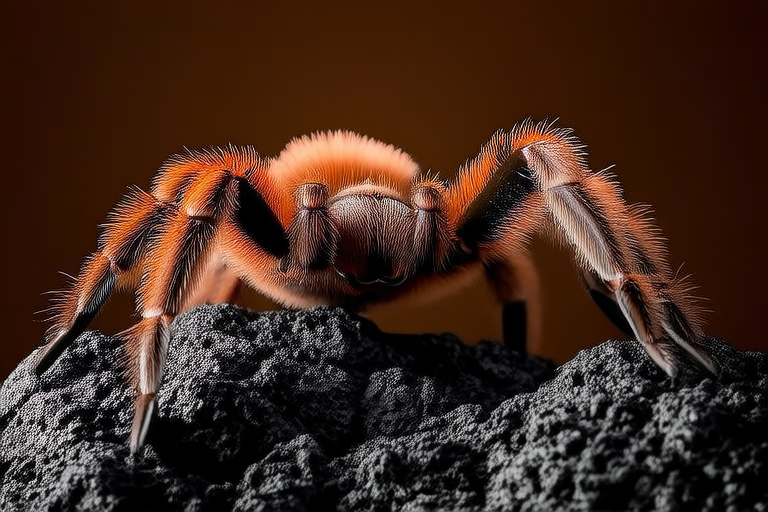
Chilean Rose Tarantula: The Perfect Pet for Arachnid Enthusiasts
The world of exotic pets is vast and varied, but for those who are drawn to the mysterious and captivating, the Chilean rose tarantula stands out as a particularly appealing choice. Known scientifically as Grammostola rosea, this species is one of the most popular tarantulas among enthusiasts due to its manageable size, docile nature, and striking appearance. This article will delve into the details of what makes the Chilean rose tarantula such an excellent pet, providing guidance on care, dispelling common myths, and offering advice for both novice and experienced tarantula owners.
Introduction to the Chilean Rose Tarantula
The Chilean rose tarantula is native to the deserts of Chile, Argentina, and Bolivia. Its name comes from the pinkish-red coloration that some individuals exhibit, especially when they molt. However, not all Chilean rose tarantulas display this characteristic hue; their coloring can range from brown to orange. Males typically reach a length of about 4 inches (10 cm), while females grow slightly larger, up to 5 inches (13 cm). Their bodies are covered in fine hairs, which they can release as a defense mechanism if threatened.
One of the most attractive features of the Chilean rose tarantula is its relatively calm demeanor. Unlike many other spiders, this species does not tend to be aggressive or defensive unless provoked. They are generally slow-moving and will often retreat rather than attack. This temperament makes them well-suited for handling by experienced keepers, though it’s important to note that even docile tarantulas should be treated with respect and handled carefully.
The Chilean rose tarantula has gained immense popularity among exotic pet owners over the years. Its availability in pet stores and online markets has contributed to its widespread appeal. Many people are drawn to the idea of owning a unique and intriguing creature, and the Chilean rose tarantula certainly fits that bill. Additionally, its ease of care compared to other exotic pets has made it a favorite among first-time owners of arachnids.
Care Requirements
Habitat Setup
Creating a suitable environment for your Chilean rose tarantula is crucial to ensuring its health and happiness. A glass terrarium with a secure lid is ideal for housing these spiders. The enclosure should be at least three times as wide as the spider’s leg span and deep enough to allow for burrowing. Substrate options include coconut fiber, peat moss, or a mixture of soil and vermiculite. A shallow water dish should also be provided, although these tarantulas rarely drink directly from standing water.
Temperature and humidity levels must be maintained within specific ranges. The optimal temperature for the enclosure is between 75°F and 85°F (24°C to 29°C), with humidity levels around 60%. Heat lamps or under-tank heaters can help regulate these conditions. It’s essential to avoid sudden temperature changes or extremes, as they can stress the spider and lead to health issues.
Diet
Feeding your Chilean rose tarantula requires careful consideration. In captivity, these spiders thrive on a diet of crickets, mealworms, and occasionally small mice or pinky rats. Juvenile tarantulas should be fed every 5-7 days, while adults can be fed less frequently, approximately once every two weeks. Gut loading the prey items with nutritious foods like carrots, sweet potatoes, and fish flakes before feeding them to your tarantula ensures that your pet receives adequate nutrition.
It’s important to monitor how much food your tarantula consumes and adjust feeding schedules accordingly. Overfeeding can lead to obesity and other health problems. Conversely, underfeeding can result in malnutrition and stunted growth. Always remove uneaten prey after a reasonable amount of time to prevent potential harm to your spider.
Handling Tips
While the Chilean rose tarantula is generally docile, handling should still be approached with caution. Always wash your hands before and after interacting with your pet to avoid transferring oils or chemicals that could harm it. When picking up your tarantula, gently grasp it behind the abdomen using soft paper towels or foam tweezers. Avoid touching the legs or cephalothorax, as this can startle the spider and cause it to release urticating hairs.
Regular handling can help acclimate your tarantula to human interaction, making future sessions easier. However, it’s vital to remember that each spider is an individual, and some may never become comfortable with being handled. Respect your pet’s boundaries and only attempt handling when you feel confident in doing so safely.
Health Concerns
Like any living creature, Chilean rose tarantulas can face health challenges. Common issues include dehydration, mites, and bacterial infections. Dehydration can occur if the humidity levels in the enclosure drop too low or if the water dish becomes inaccessible. Signs of dehydration include lethargy, sunken eyes, and a dry exoskeleton. To combat this, ensure proper hydration by misting the enclosure daily and maintaining appropriate humidity levels.
Mites are another concern, particularly in colonies where multiple tarantulas are housed together. These tiny parasites can cause irritation and discomfort. Regular cleaning of the enclosure and quarantine of new additions can help prevent infestations. If mites are detected, consult a veterinarian specializing in exotic animals for treatment options.
Bacterial infections can arise from unsanitary conditions or improper handling. Keeping the enclosure clean and avoiding contact with potentially contaminated surfaces can reduce the risk of infection. Should you notice symptoms such as lethargy, loss of appetite, or unusual behavior, seek professional advice promptly.
Common Myths About Tarantulas
Tarantulas have long been the subject of misconceptions and fears. One prevalent myth is that they are highly venomous and dangerous to humans. While tarantulas do possess venom glands, their bites are generally harmless to humans. The pain associated with a bite is comparable to that of a bee sting, and allergic reactions are rare. Another misconception is that all tarantulas are aggressive. As mentioned earlier, the Chilean rose tarantula is notably calm and unlikely to attack unless provoked.
Another myth is that tarantulas cannot survive outside of their natural habitats. In reality, with proper care, tarantulas can thrive in captivity for many years. The key lies in replicating their natural environment as closely as possible within the confines of a terrarium.
Advice for Beginners
If you’re new to tarantula ownership, there are several steps you can take to ensure success. First, conduct thorough research on the specific needs of your chosen species. Understanding their dietary preferences, environmental requirements, and behavioral patterns will equip you with the knowledge necessary for responsible care.
Next, invest in high-quality supplies and equipment. Quality substrates, hides, and heating devices can make a significant difference in your tarantula’s wellbeing. Don’t skimp on these essentials; your pet deserves the best possible living conditions.
Lastly, join local or online communities dedicated to tarantula enthusiasts. These groups offer invaluable support, advice, and resources for both beginners and seasoned keepers. Sharing experiences and learning from others can greatly enhance your enjoyment of tarantula ownership.
Why the Chilean Rose Tarantula is Ideal for Arachnid Enthusiasts
The Chilean rose tarantula stands out as an ideal pet for several reasons. Firstly, its manageable size makes it suitable for smaller living spaces. Unlike larger tarantula species, the Chilean rose tarantula doesn’t require extensive housing arrangements, making it accessible to apartment dwellers or those with limited space.
Secondly, its docile nature provides peace of mind for both novice and experienced owners. Handling these spiders can be a rewarding experience, allowing owners to develop a deeper connection with their pets. Furthermore, their relatively simple care requirements mean that maintaining a healthy Chilean rose tarantula doesn’t require constant attention or specialized expertise.
In conclusion, the Chilean rose tarantula is an excellent choice for anyone interested in keeping exotic pets. With its striking appearance, gentle temperament, and ease of care, it offers a fascinating and low-maintenance companion. Whether you’re a seasoned arachnid enthusiast or considering your first foray into the world of tarantulas, the Chilean rose tarantula is sure to captivate and delight.