
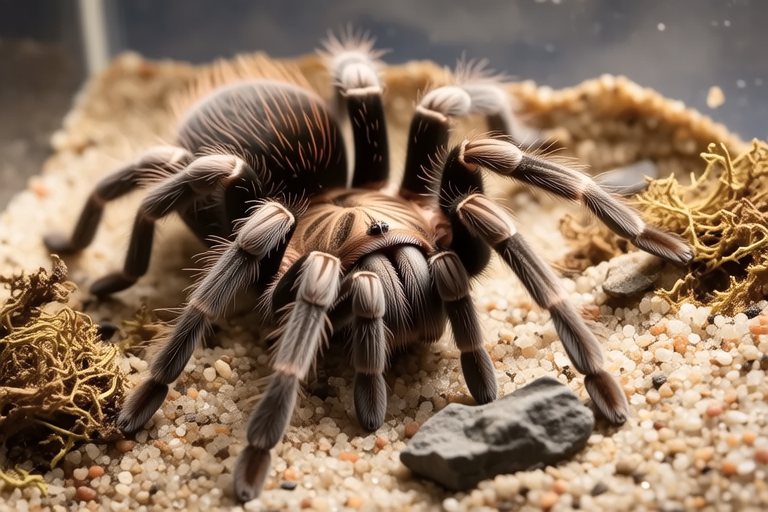
From Desert to Den: The Complete Guide to Chilean Rose Tarantula Care
Welcome to your comprehensive guide to Chilean rose tarantula care. Whether you’re a seasoned arachnophile or a novice spider enthusiast, this guide will provide you with all the necessary information to ensure your Chilean rose tarantula thrives in its new home.
Understanding Your Chilean Rose Tarantula
The Chilean rose tarantula (Grammostola rosea) is one of the most popular pet tarantulas due to its docile nature and relatively low maintenance requirements. Native to the deserts of South America, these spiders are known for their pinkish-brown coloration and are generally non-aggressive, making them ideal pets for those who want to experience the unique world of arachnids without the fear of aggression.
Habitat Setup
Creating an appropriate habitat for your Chilean rose tarantula is crucial for its well-being. Below are some essential elements to consider when setting up your tarantula’s enclosure:
- Enclosure Size: A 10-gallon tank is sufficient for an adult Chilean rose tarantula. Ensure the tank has a secure lid to prevent escapes.
- Substrate: Use a layer of coconut fiber or a mix of peat moss and vermiculite, about 3-4 inches deep. This substrate should be kept slightly moist to mimic the natural environment.
- Hiding Spots: Provide at least one hiding spot, such as a cork bark or a half-log, to allow your tarantula to retreat and feel secure.
- Decorations: Add some rocks or plants to create a more naturalistic environment. Ensure that all decorations are securely placed to avoid accidents.
- Lighting: While tarantulas don’t require UV lighting, a small night light can help you observe your pet’s nocturnal activities without disturbing it.
Temperature and Humidity Requirements
Maintaining the correct temperature and humidity levels is vital for your Chilean rose tarantula’s health. Here’s what you need to know:
- Temperature: Keep the temperature between 75°F and 85°F during the day. At night, it can drop to around 65°F. You can use a heat mat or a ceramic heater to maintain these temperatures.
- Humidity: Aim for a humidity level of 60-80%. Mist the substrate occasionally to achieve this, but ensure good ventilation to prevent mold growth.
Feeding Guidelines
Your Chilean rose tarantula will primarily eat insects, such as crickets, mealworms, and dubia roaches. Here are some feeding tips:
- Frequency: Feed your tarantula once every 7-10 days. Juveniles may require more frequent feedings.
- Size of Prey: Offer prey items that are no larger than half the width of your tarantula’s body.
- Dusting Prey: Dust the prey with calcium powder and a multivitamin supplement before feeding to ensure proper nutrition.
- Handling Prey: Always use forceps or tongs to place the prey in the enclosure to avoid accidental bites.
Handling Tips
While Chilean rose tarantulas are generally calm, they can be stressed by improper handling. Follow these guidelines to safely handle your pet:
- Preparation: Wash your hands thoroughly before handling to remove any potential toxins.
- Approach: Gently coax the tarantula out of its hiding spot with a stick or a tool. Never grab or poke the spider directly.
- Duration: Limit handling sessions to a few minutes to minimize stress.
- Observation: Always watch for signs of distress, such as leg waving or rearing, which indicate the tarantula wants to be left alone.
Health Concerns
Like any other animal, tarantulas can face health issues. Regular observation and prompt action are key to maintaining your pet’s well-being.
- Shedding: Tarantulas shed their exoskeleton periodically. During this time, they may stop eating and become more aggressive. Ensure the humidity level is appropriate to aid in successful molting.
- Paralysis: If your tarantula becomes paralyzed, it could be due to mites or an injury. Consult a veterinarian specializing in exotic animals immediately.
- Mites: These tiny pests can infest your tarantula and its enclosure. Clean the enclosure thoroughly and treat your tarantula with a vet-approved miticide.
Common Myths About Tarantulas
There are several misconceptions about tarantulas that can cause unnecessary fear or misunderstanding. Let’s address some of these myths:
- Myth: Tarantulas are extremely venomous. Fact: While tarantulas have venom, it is generally mild and only harmful to humans with severe allergies. Their bites are usually no worse than a bee sting.
- Myth: Tarantulas are aggressive predators. Fact: Chilean rose tarantulas are typically calm and docile, especially when handled gently.
- Myth: Tarantulas are solitary creatures and cannot live together. Fact: While tarantulas are generally solitary, some species can coexist in the same enclosure under specific conditions. However, this is not recommended for beginners.
Conclusion
Caring for a Chilean rose tarantula is a rewarding experience that requires attention to detail and respect for your pet’s needs. By following the guidelines provided in this comprehensive guide, you’ll be well-equipped to offer your tarantula a comfortable and healthy environment. Remember, patience and careful observation are key to ensuring the well-being of your arachnid companion.