
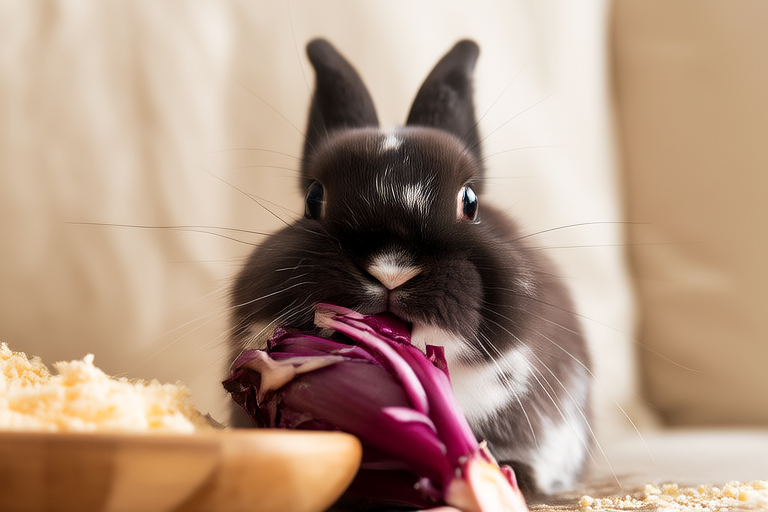
Top 10 Fun Facts About Your Favorite Pocket Pet: The Guinea Pig
Welcome, guinea pig lovers! These adorable, furry companions have captured the hearts of many with their unique personalities and charming behaviors. In this article, we will explore ten fun facts about guinea pigs that you may not know. From their rich history to their quirky habits, we’ll dive into what makes these pocket pets so special.
1. Guinea Pigs Are Not Actually Pigs
The name ‘guinea pig’ might lead you to believe that these small animals are related to pigs, but that’s not the case at all. They belong to the rodent family and are more closely related to chinchillas and porcupines than to pigs. Their scientific name, Cavia porcellus, reflects their origins in South America, where they were domesticated thousands of years ago by indigenous people for food and as pets.
For potential owners, it’s important to note that guinea pigs require a diet rich in hay and vegetables, much like other rodents, rather than the typical pig diet. Providing them with fresh, clean water and a variety of safe vegetables can ensure their health and happiness.
2. Guinea Pigs Have a Long History as Pets
Guinea pigs have been kept as pets for centuries, with records of their presence in European courts as early as the 16th century. They were introduced to Europe by Spanish explorers who brought them back from South America. Initially, they were considered exotic pets for the wealthy, but over time, they became more widely available and affordable.
Today, guinea pigs are one of the most popular pets worldwide. Their gentle nature and low maintenance requirements make them ideal for families and individuals looking for a companion animal. If you’re considering getting a guinea pig, remember that they thrive in social environments and enjoy the company of humans and other guinea pigs.
3. They Are Vocal Creatures
Contrary to what some might think, guinea pigs are quite vocal. They communicate through a range of sounds, including purring, squeaking, and even high-pitched squealing. Each sound has a different meaning, and understanding your guinea pig’s vocalizations can help you better understand their needs and emotions.
For instance, a soft purring noise often indicates contentment, while a sharp squeal might signal fear or discomfort. Learning to interpret these sounds can be a rewarding experience for any guinea pig owner. It’s also worth noting that guinea pigs can learn to recognize their names and respond when called, making them even more interactive pets.
4. Guinea Pigs Have Unique Teeth
One of the most fascinating features of guinea pigs is their teeth. Unlike many other mammals, guinea pigs have continuously growing incisors and cheek teeth. This means they need to chew regularly to keep their teeth at a manageable length. Without proper chewing, their teeth can grow too long, causing health issues.
To help prevent dental problems, provide your guinea pig with plenty of hay, which is essential for maintaining healthy teeth. Additionally, consider offering safe wooden chew toys and mineral blocks designed specifically for guinea pigs. Regular veterinary check-ups are also crucial for monitoring their dental health.
5. They Are Social Animals
Guinea pigs are highly social creatures and thrive in the company of others. In the wild, they live in groups known as herds, and this social structure carries over into domestic settings. Keeping a single guinea pig can lead to loneliness and stress, which can negatively impact their health and well-being.
If you’re thinking about adopting a guinea pig, consider getting two or more. They will bond with each other and provide companionship, reducing the risk of loneliness. When introducing new guinea pigs, take the time to properly acclimate them to avoid conflicts. A harmonious group will result in happier and healthier pets.
6. Guinea Pigs Have a Strong Sense of Smell
Guinea pigs rely heavily on their sense of smell for navigation and communication. They use scent glands located near their anus to mark territory and leave messages for other guinea pigs. This sense of smell plays a crucial role in their daily lives, helping them find food, identify potential mates, and avoid predators.
Understanding your guinea pig’s reliance on scent can help you create a more enriching environment for them. Providing various scents, such as fresh herbs or safe aromatic plants, can stimulate their senses and enhance their overall well-being. However, be cautious with strong fragrances or chemicals, as these can overwhelm their sensitive noses.
7. They Require Vitamin C
Unlike many other rodents, guinea pigs cannot produce vitamin C on their own, making it essential to include this nutrient in their diet. A deficiency in vitamin C can lead to a condition known as scurvy, which can cause lethargy, joint pain, and other health issues. To ensure your guinea pig gets enough vitamin C, offer them a variety of fruits and vegetables rich in this vital nutrient.
Some excellent sources of vitamin C for guinea pigs include bell peppers, oranges, strawberries, and kale. Always introduce new foods gradually to monitor for any adverse reactions. Consulting with a veterinarian about your guinea pig’s specific dietary needs can also be beneficial.
8. Guinea Pigs Can Be Trained
Despite their small size, guinea pigs are surprisingly trainable. With patience and positive reinforcement, you can teach your guinea pig to perform simple tricks, such as coming when called or jumping through a hoop. Training sessions should be short and enjoyable, using treats as rewards to encourage desired behaviors.
Training can strengthen the bond between you and your guinea pig while providing mental stimulation. It’s important to use gentle techniques and avoid punishment, as guinea pigs are sensitive creatures. By creating a positive training environment, you can foster a deeper connection with your pet.
9. They Have Distinctive Feet
Guinea pigs have four toes on their front feet and three on their hind feet, making them unique among rodents. Their feet are equipped with nails that need regular trimming to prevent overgrowth and discomfort. Overgrown nails can cause pain and difficulty walking, so it’s essential to maintain proper nail care.
To trim your guinea pig’s nails, use a small pair of nail clippers designed for pets. It’s best to start with just a little bit off each nail and gradually work up to longer trims as your guinea pig becomes accustomed to the process. If you’re unsure about how to trim their nails safely, consult a veterinarian or professional groomer for guidance.
10. Guinea Pigs Can Live Up to 8 Years
With proper care, guinea pigs can live up to eight years, making them long-term companions. This longevity underscores the importance of providing them with a loving and nurturing home throughout their lives. Investing time and effort into their care can lead to a rewarding relationship that lasts for many years.
To ensure your guinea pig enjoys a long and healthy life, focus on providing a balanced diet, regular exercise, and routine veterinary care. Creating a stimulating environment with toys, tunnels, and hiding spots can also contribute to their well-being. By being attentive and responsive to their needs, you can help your guinea pig thrive for years to come.
In conclusion, guinea pigs are fascinating and delightful pets with a wealth of interesting traits and behaviors. Whether you’re a seasoned guinea pig owner or considering adopting one, learning about these unique animals can deepen your appreciation for them. By understanding their history, care needs, and quirky habits, you can provide your guinea pig with the best possible life. Happy guinea pig parenting!