
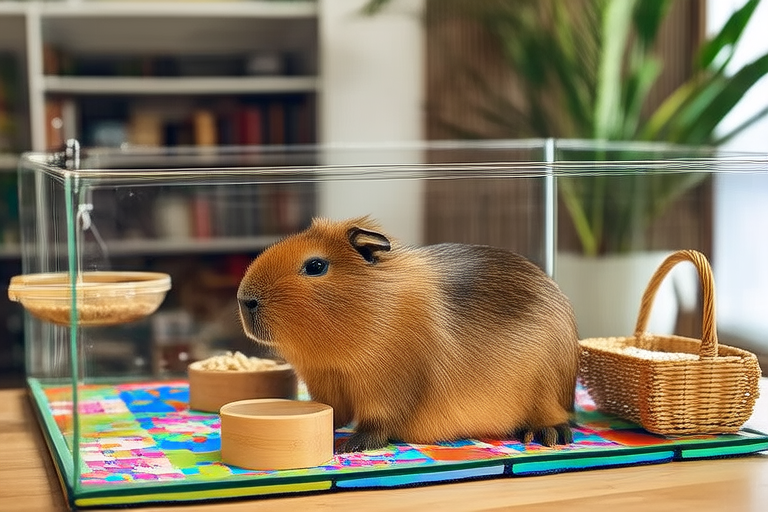
How to Create the Ultimate Habitat for Your Happy and Healthy Guinea Pig
1. Introduction to Guinea Pig Needs
Guinea pigs, also known as cavies, are delightful, social creatures that have become increasingly popular as pets. They are intelligent and require proper care to thrive. Understanding their specific needs is essential for creating a habitat that ensures their happiness and health. Guinea pigs are herbivores and need a diet rich in hay, fresh vegetables, and vitamin C. They are also highly social animals and thrive when kept in pairs or small groups.
Creating a suitable living environment is crucial for your guinea pig’s well-being. This article will guide you through setting up the ideal habitat, from choosing the right cage size to providing toys and enriching activities. By following these guidelines, you can ensure your guinea pig enjoys a healthy, happy life.
2. Ideal Cage Size and Setup
The first step in creating a perfect habitat is selecting the right cage. The cage should be large enough to allow your guinea pig to move around freely. A general rule is to provide at least 7.5 square feet of space per guinea pig. This ensures they have enough room to run, play, and explore without feeling cramped.
Choose a cage with a solid bottom to prevent injuries from wire flooring. The cage should be elevated off the ground to protect your guinea pig from drafts and cold floors. It’s also important to position the cage away from direct sunlight and sources of heat, such as radiators or heaters, to avoid overheating.
For multiple guinea pigs, consider a multi-level cage with ramps and platforms. This allows them to climb and explore different areas within their enclosure, promoting physical activity and mental stimulation.
3. Essential Bedding Materials
Choosing the right bedding is crucial for your guinea pig’s comfort and health. Opt for bedding made from natural fibers, such as shredded paper, recycled paper products, or high-quality wood shavings. Avoid cedar and pine shavings, as they contain aromatic oils that can irritate your guinea pig’s respiratory system.
Adequate bedding depth is important; aim for at least 2-3 inches of bedding to absorb waste and provide cushioning. This depth also helps insulate the cage, keeping it warm during colder months. Regularly replace soiled bedding and spot clean daily to maintain hygiene and prevent odors.
4. Importance and Setup of Hiding Spots and Tunnels
Hiding spots and tunnels are essential components of a guinea pig’s habitat. These structures provide security and reduce stress by allowing your guinea pig to retreat when feeling overwhelmed. They also encourage exploration and play, which are vital for mental stimulation.
Choose hideouts made from safe, non-toxic materials, such as untreated wood or cardboard boxes. Position these around the cage to create different zones. Tunnels can be added to enhance the complexity of the environment. Make sure they are wide enough for your guinea pig to move comfortably and have no sharp edges or small openings that could trap them.
5. Proper Food and Water Placement
Proper placement of food and water dishes is crucial for your guinea pig’s health. Place water bottles on the side of the cage where your guinea pig spends most of its time. Ensure the bottle has a sipper tube long enough for easy access but not so long that it touches the floor and becomes dirty.
Food dishes should be placed in a separate area from the sleeping and waste zones to minimize contamination. Use heavy-duty bowls that are difficult to tip over and clean easily. Provide a constant supply of hay, which should make up the majority of your guinea pig’s diet, along with fresh vegetables and a small amount of pellets.
6. Ventilation and Temperature Control
Proper ventilation is essential for maintaining a healthy living environment. Ensure the cage has adequate airflow to prevent the buildup of ammonia from urine and feces. Avoid placing the cage in areas prone to drafts, as this can cause respiratory issues. Instead, position it in a cool, dry location with consistent temperatures between 65°F and 75°F (18°C to 24°C).
In colder months, consider adding extra bedding or a heating pad under one side of the cage to maintain warmth. In warmer months, provide shade and ensure the cage isn’t exposed to direct sunlight, which can lead to overheating.
7. Regular Cleaning Routine
A regular cleaning routine is necessary to keep your guinea pig’s habitat hygienic and comfortable. Clean the cage weekly, removing all bedding and thoroughly scrubbing the interior with a pet-safe cleaner. Rinse the cage with warm water and let it air dry before replacing the bedding.
Daily maintenance includes spot cleaning, removing soiled bedding and waste. This helps prevent odors and reduces the risk of bacterial growth. Regular cleaning also promotes better air quality and reduces the likelihood of respiratory problems.
8. Toys and Enrichment Activities
Toys and enrichment activities are vital for keeping your guinea pig mentally stimulated and physically active. Provide chew toys made from safe materials like untreated wood or cardboard. These help wear down your guinea pig’s constantly growing teeth and prevent dental issues.
Balls, tunnels, and climbing structures offer opportunities for exercise and exploration. Rotate toys periodically to keep your guinea pig interested and engaged. You can also introduce interactive toys, such as treat-dispensing puzzles, to challenge your pet’s problem-solving skills.
9. Final Tips for Maintaining a Healthy Habitat
Maintaining a healthy habitat requires ongoing attention and care. Regularly monitor your guinea pig’s behavior and health. Watch for signs of illness, such as lethargy, loss of appetite, or changes in bathroom habits. If you notice any concerning symptoms, consult a veterinarian promptly.
Spending time with your guinea pig outside of the cage is beneficial for both of you. Supervised playtime in a safe, enclosed area allows them to stretch their legs and interact with you. This bonding time also helps strengthen your relationship and provides additional mental and physical stimulation.
Remember, a well-maintained habitat contributes significantly to your guinea pig’s overall well-being. By following these guidelines and paying close attention to your pet’s needs, you can ensure they live a long, happy, and healthy life.