
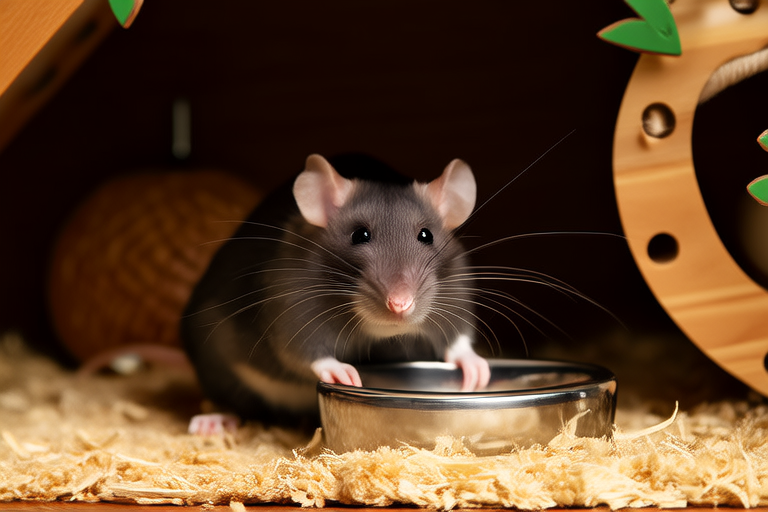
How to Make Your Fancy Rat Happier: Expert Tips
Fancy rats, also known as domesticated rats, are intelligent, social creatures that can make wonderful companions. Like any pet, they require proper care, attention, and a stimulating environment to thrive. This article provides expert tips on how to enhance your fancy rat’s quality of life, ensuring they remain happy and healthy.
Enriching Their Environment with Suitable Toys and Accessories
Providing a stimulating environment is crucial for the well-being of your fancy rat. Just like humans, rats enjoy mental and physical stimulation. Experts recommend a variety of toys and accessories to keep your rat engaged. Tunnel systems, chew toys, and exercise wheels are excellent choices. These items not only offer entertainment but also promote physical activity, which is essential for maintaining a healthy weight and preventing boredom.
It’s important to choose toys made from safe materials. Opt for wood or plastic toys that are free from harmful chemicals. Avoid small parts that could be swallowed or sharp edges that might cause injury. Rotate toys regularly to prevent monotony and keep things fresh. Additionally, consider adding hammocks, nesting boxes, and cardboard tubes for your rat to explore and hide in.
Dietary Recommendations for Optimal Health and Happiness
A balanced diet is key to keeping your fancy rat happy and healthy. Rats are omnivores, meaning they eat both plants and animals. A high-quality commercial rat food mix should form the base of their diet, providing essential nutrients. It’s important to select a mix that includes a variety of seeds, grains, and pellets.
In addition to commercial mixes, you can supplement your rat’s diet with fresh fruits and vegetables. Offer small portions of foods such as apples, carrots, and leafy greens. However, avoid giving them anything too sugary or fatty, as this can lead to health issues. Always introduce new foods gradually to monitor for any adverse reactions.
Water is another critical component of a rat’s diet. Ensure they have access to clean, fresh water at all times. A sipper bottle attached to the side of their cage is ideal, as it keeps the water clean and reduces the risk of spills.
The Importance of Social Interaction and Playtime
Rats are highly social animals and thrive on interaction with their human companions. Spending time with your rat each day is vital for their emotional well-being. Playtime doesn’t need to be elaborate; simple activities like holding, grooming, and playing with toys can strengthen your bond.
If you have multiple rats, consider getting a friend for your pet. Rats are happiest when they have company of their own kind. However, it’s important to introduce new rats carefully to avoid conflicts. Allow them to get used to each other’s scent by placing their cages near each other before introducing them directly.
During playtime, engage in activities that stimulate their senses. Hide treats around the room for them to find, or teach them simple tricks using positive reinforcement. The more interactive and mentally challenging the activity, the happier your rat will be.
Tips for Maintaining a Clean and Stimulating Habitat
A clean and well-maintained habitat is essential for your fancy rat’s health and happiness. Regular cleaning helps prevent the buildup of bacteria and odors that can make your rat uncomfortable. Aim to clean the cage at least once a week, removing soiled bedding and replacing it with fresh, clean material. Spot-clean daily to maintain cleanliness.
Ensure the cage is spacious enough for your rat to move around comfortably. A minimum size of about 24 inches by 18 inches is recommended for a single rat, with additional space for each additional rat. Provide plenty of vertical space by including shelves, platforms, and ladders. Rats love to climb and explore, so the more vertical space you provide, the better.
Use bedding that is soft, absorbent, and dust-free. Shredded paper, recycled paper products, and aspen shavings are popular choices. Avoid pine or cedar shavings, as they can irritate your rat’s respiratory system. Place bedding in layers, with a thick layer at the bottom and smaller layers on top for nesting.
Signs of a Happy and Healthy Rat
Observing your rat’s behavior and appearance can give you valuable insights into their overall health and happiness. A happy rat is active, curious, and interacts positively with its surroundings and humans. They should have bright, alert eyes and clean, glossy fur.
Pay attention to their eating habits. A healthy rat has a good appetite and enjoys their food. If your rat suddenly loses interest in eating or shows signs of weight loss, it may indicate a health issue. Similarly, changes in bathroom habits, such as diarrhea or constipation, can signal problems.
Mental and emotional health are just as important as physical health. A stressed or unhappy rat may display behaviors such as excessive grooming, hiding, or aggression. If you notice these signs, it’s essential to investigate potential causes and address any issues promptly.
Regular veterinary check-ups are also crucial for maintaining your rat’s health. Rats are prone to certain health conditions, such as respiratory infections and tumors, so early detection and treatment are vital.
Conclusion
Making your fancy rat happier involves a combination of proper nutrition, social interaction, a stimulating environment, and regular health checks. By following these expert tips, you can ensure your rat lives a long, healthy, and joyful life. Remember, the more effort you put into enriching your rat’s life, the stronger your bond will be, and the more rewarding your companionship will be.