
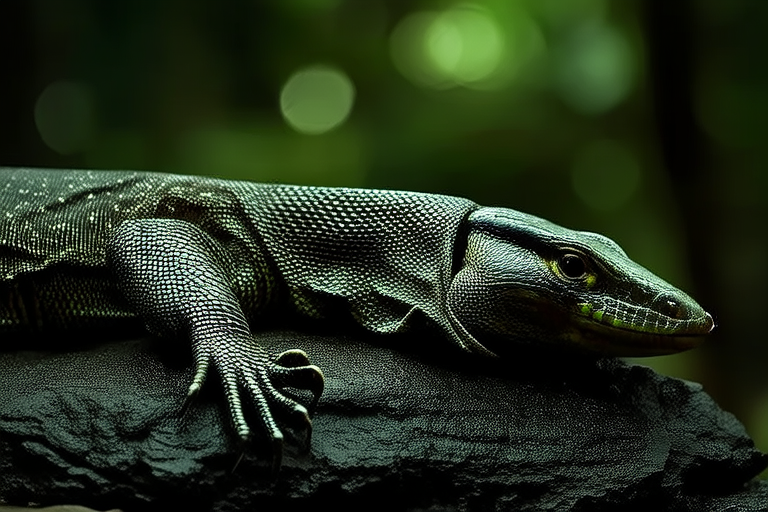
From Jungle to Home: Caring for Your Very Own Water Monitor
Welcome to the fascinating world of the water monitor (Varanus salvator)! This article aims to guide you through the complexities of owning and caring for these remarkable reptiles. From their natural habitat to dietary needs, housing requirements, health care tips, and behavioral insights, we’ll explore every aspect of keeping a water monitor as a pet.
The Natural Habitat of the Water Monitor
Water monitors are native to Southeast Asia, thriving in environments ranging from dense jungles to coastal mangroves. They are semi-aquatic, meaning they spend significant time both on land and in water. Their natural habitat includes rivers, swamps, and even rice paddies. In the wild, these lizards can grow up to 8 feet long, making them one of the largest lizard species globally. Understanding their natural environment is crucial for replicating it in captivity.
Dietary Needs of the Water Monitor
Water monitors are carnivorous and have a diverse diet in the wild, feeding on small mammals, birds, fish, insects, and even carrion. In captivity, they require a balanced diet that mimics their natural food sources. Juvenile monitors primarily eat insects, while adults can consume rodents, fish, and occasionally small birds. It’s essential to provide a variety of prey items to ensure proper nutrition. Feeding them live food can be risky, so consider pre-killed or frozen-thawed options for safety and hygiene.
Housing Requirements for Water Monitors
Creating an appropriate enclosure for your water monitor is paramount. The enclosure should mimic their natural habitat as closely as possible. A large tank with a secure lid is necessary, as water monitors are excellent climbers and escape artists. The enclosure must include a deep water area for swimming and basking areas where they can warm themselves under a heat lamp. Substrate should be easy to clean and non-toxic, such as reptile carpet or large gravel. Proper ventilation is also essential to prevent the buildup of harmful bacteria and mold.
Health Care Tips for Water Monitors
Maintaining the health of your water monitor involves regular check-ups and monitoring their behavior and physical condition. Common health issues include respiratory infections, parasites, and metabolic bone disease. Regular veterinary visits are recommended, especially for new pets. Ensure that the enclosure is kept clean, and the temperature and humidity levels are optimal for their well-being. Providing UVB lighting is crucial for calcium absorption and overall health.
Behavioral Insights into Water Monitors
Water monitors are intelligent and curious animals, often displaying complex behaviors. They are generally docile but may become aggressive if threatened or mishandled. Socialization is key to building a trusting relationship with your monitor. Handling should be done gently and consistently, allowing them to acclimate to human interaction. Training can help reinforce positive behaviors and reduce stress. Observing their behavior can provide valuable insights into their mood and health.
The Responsibilities of Owning a Water Monitor
Owning a water monitor comes with significant responsibilities. These lizards require a substantial amount of space, time, and financial investment. Potential owners should be prepared for the long-term commitment involved in providing a suitable environment and diet. Legal considerations, such as permits and regulations, should also be addressed before acquiring a water monitor. Responsible ownership means being fully aware of the challenges and rewards of caring for these magnificent creatures.
Unique Challenges and Rewards of Caring for Water Monitors
Caring for a water monitor presents unique challenges but also offers rewarding experiences. One of the most significant challenges is meeting their environmental and nutritional needs. However, watching these intelligent animals thrive in captivity can be incredibly fulfilling. Their interactions and behaviors can be both entertaining and educational. With proper care, water monitors can live up to 20 years, providing a lifetime of companionship and wonder.
Challenges
One of the primary challenges is providing adequate space. Water monitors need a large enclosure to accommodate their size and activity level. Ensuring the enclosure is escape-proof requires careful planning and construction. Another challenge is maintaining the right balance between water and land areas. Too much water can lead to respiratory issues, while insufficient land space can cause stress and discomfort. Additionally, feeding a water monitor can be challenging, as they require a varied diet that includes live prey.
Rewards
The rewards of owning a water monitor are numerous. Watching them swim, bask, and interact with their environment can be captivating. Their intelligence and curiosity make them fascinating subjects of study. Building a bond with your monitor through consistent handling and training can be deeply rewarding. Moreover, successfully caring for a water monitor demonstrates a commitment to responsible pet ownership and conservation efforts.
Practical Advice for Owners
Here are some practical tips for owners of water monitors:
- Research extensively: Before bringing a water monitor home, thoroughly research their care requirements. Understanding their needs will help you prepare adequately.
- Provide a stimulating environment: Encourage natural behaviors by creating an enriching habitat with plenty of hiding spots, climbing structures, and water areas.
- Handle with care: Always handle your monitor gently and avoid sudden movements that could startle or harm them.
- Monitor their health: Keep a close eye on your monitor’s appetite, energy levels, and overall appearance. Early detection of health issues can prevent more serious problems.
- Stay informed: The field of reptile care is constantly evolving. Stay updated on the latest best practices and advancements in veterinary medicine.
In conclusion, owning a water monitor is a rewarding experience that comes with unique challenges. By understanding their natural habitat, dietary needs, housing requirements, and behavioral insights, you can provide the best possible care for your pet. Remember, responsible ownership is about more than just providing shelter; it’s about fostering a healthy, happy relationship with your water monitor. With dedication and love, you can enjoy a lifetime of companionship with these incredible creatures.