
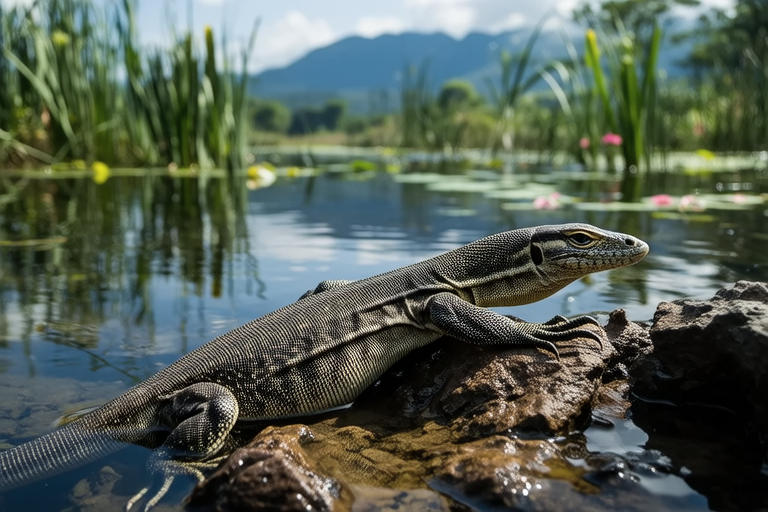
How to Care for a Water Monitor Like a Pro
Introduction
Welcome to your comprehensive guide on how to care for a water monitor like a pro. This article is designed to provide you with all the essential information you need to ensure that your water monitor lives a long, healthy, and happy life. Whether you’re a novice or an experienced owner, this guide will cover everything from basic needs to advanced care techniques.
Basic Needs of Water Monitors
Water monitors (Varanus salvator) are large, semi-aquatic lizards native to Southeast Asia. They require specific environmental conditions to thrive. The first step in caring for a water monitor is understanding their basic needs.
- Temperature and Humidity: Water monitors need a warm and humid environment. Maintain a basking spot between 95-100°F (35-38°C) and ambient temperature around 75-85°F (24-29°C). Humidity levels should be kept at 60-80%.
- Diet: A balanced diet is crucial for their health. Water monitors are carnivorous and eat a variety of prey items, including rodents, insects, fish, and occasionally eggs.
- Water: Provide a large water container for soaking and swimming. Ensure it’s deep enough for them to submerge completely.
Appropriate Housing Setup
Creating the right habitat is essential for the well-being of your water monitor.
- Tank Size: For a juvenile, a 55-gallon tank may suffice, but adults require much larger enclosures. A minimum size of 8 feet by 4 feet by 4 feet is recommended for adult monitors.
- Substrate: Use a substrate that can hold moisture but is easy to clean. Cypress mulch, coconut fiber, or reptile-safe bark chips are good choices.
- Hiding Spots: Provide multiple hiding spots to allow the monitor to retreat when stressed or tired.
- Basking Area: A basking spot with a heat lamp or ceramic heater should be placed at one end of the enclosure.
- Water Container: Ensure there is a large, sturdy water container for swimming and soaking.
Dietary Requirements
A well-balanced diet is key to keeping your water monitor healthy.
- Prey Items: Feed a varied diet consisting of rodents, insects, fish, and occasionally eggs. Juveniles should be fed daily, while adults can be fed every two to three days.
- Calcium and Vitamin Supplementation: Dust prey items with calcium and vitamin D3 supplements to prevent deficiencies.
- Feeding Techniques: Always feed your monitor in a separate feeding area to avoid associating your presence with food.
Hygiene and Grooming Tips
Maintaining cleanliness in their environment and regular grooming are vital for their health.
- Cleanliness: Regularly clean the enclosure, replacing soiled substrates and cleaning water containers. Disinfect the enclosure periodically to prevent bacterial growth.
- Grooming: Occasional bathing helps maintain skin health. Check for any signs of injury or infection during baths.
- Nail Trimming: Trim nails if they become overgrown to prevent discomfort and potential injury.
Health Issues to Watch For
Being aware of common health problems can help you catch issues early.
- Mouth Rot: Characterized by swelling, redness, and pus around the mouth. It requires immediate veterinary attention.
- Metabolic Bone Disease: Caused by calcium and vitamin D3 deficiency, leading to soft bones and deformities.
- Respiratory Infections: Symptoms include wheezing, nasal discharge, and lethargy. These infections can be serious and need prompt treatment.
Social Behavior and Interaction
Understanding your water monitor’s behavior can enhance your relationship.
- Aggression: Water monitors can be aggressive, especially towards humans. Handle them carefully and always respect their space.
- Interaction: While they are not social animals, some monitors can become accustomed to handling. Start slow and gradually increase interaction time.
- Stress Indicators: Signs of stress include hiding, rapid breathing, and refusal to eat. Reduce stressors to improve their well-being.
Exercise and Enrichment Activities
Providing opportunities for physical activity and mental stimulation is important.
- Swimming: Encourage swimming by providing a large water container. Ensure it’s deep enough for them to swim comfortably.
- Exploration: Create an enriched environment with climbing structures, tunnels, and hiding spots. Rotate items to keep the environment stimulating.
- Foraging: Hide prey items within the enclosure to encourage natural foraging behaviors.
Advice on Selecting the Right Veterinarian
Finding a qualified veterinarian is crucial for your water monitor’s health.
- Reptile-Specialist: Look for a veterinarian who specializes in reptiles. They have the knowledge and equipment needed to treat exotic pets.
- Experience: Choose a vet with experience in treating water monitors specifically. They understand the unique needs of these animals.
- Emergency Care: Ensure your chosen vet offers emergency services. Emergencies can arise suddenly, and quick treatment is often critical.
Conclusion
Caring for a water monitor is a rewarding yet challenging endeavor. By following the guidelines outlined in this article, you’ll be well-equipped to provide your monitor with the best possible care. Remember, patience, consistency, and attention to detail are key. With proper care, your water monitor can live a long and fulfilling life.