
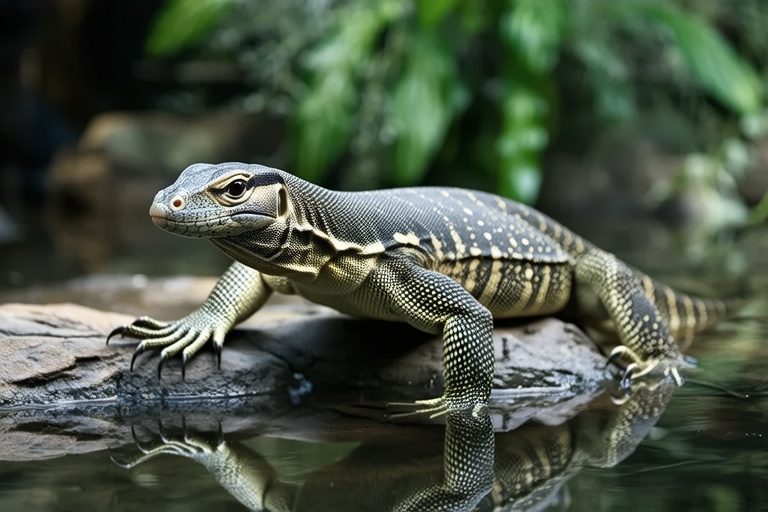
From Jungle to Home: Everything You Need to Know About Living with a Water Monitor
The water monitor (Varanus salvator) is a fascinating reptile native to Southeast Asia, known for its impressive size and adaptability. These creatures have captivated the interest of reptile enthusiasts for years, thanks to their unique characteristics and intriguing behaviors. If you’re considering bringing a water monitor into your home, this comprehensive guide will provide you with all the essential information to make an informed decision.
Natural Habitat and Unique Characteristics
Water monitors inhabit a wide range of environments across Southeast Asia, from dense jungles to coastal mangroves. They are semi-aquatic, spending significant time both on land and in water. This versatility allows them to thrive in various ecosystems, making them highly adaptable creatures. Their natural habitats include areas like riverbanks, swamps, and rice paddies.
One of the most striking features of the water monitor is its size. Adults can reach lengths of up to 3 meters (9.8 feet) and weigh around 20 kilograms (44 pounds). Their long tails are prehensile, enabling them to climb trees and swim efficiently. The water monitor’s powerful limbs and sharp claws make it an excellent climber and swimmer, allowing it to traverse its environment with ease.
In addition to their physical prowess, water monitors possess keen senses that aid in hunting and survival. They have excellent eyesight, enabling them to spot prey from great distances. Their sense of smell is also highly developed, helping them locate food even when it’s hidden underground. Furthermore, they have specialized glands near their tongues that help detect chemical signals in the air, providing additional sensory input.
Diet, Size, and Lifespan
Water monitors are carnivorous predators with a diverse diet that includes insects, fish, amphibians, birds, small mammals, and even carrion. In captivity, their diet can be supplemented with commercially available reptile foods such as mice, rats, and fish. It’s important to ensure a balanced diet that provides all necessary nutrients for optimal health.
As previously mentioned, adult water monitors can grow quite large, reaching lengths of up to 3 meters and weighing up to 20 kilograms. Juveniles, however, are much smaller, typically measuring around 30 centimeters (12 inches) at birth. Due to their rapid growth rate, it’s crucial to prepare for the space and resources needed to accommodate a growing monitor lizard.
When cared for properly, water monitors can live for over 10 years in captivity. Their longevity underscores the importance of responsible ownership and commitment to their well-being. Providing a suitable environment, proper nutrition, and regular veterinary care are key factors in ensuring a healthy and long life for these reptiles.
Responsibilities of Owning a Water Monitor
Legal Considerations
Before bringing a water monitor into your home, it’s essential to research local laws and regulations regarding exotic pet ownership. Many countries and regions have specific requirements for keeping non-native species, including licensing, permits, and quarantine periods. Failure to comply with these regulations could result in fines or the confiscation of your pet.
Housing Requirements
Creating an appropriate enclosure is critical for the health and happiness of your water monitor. A spacious tank or custom-built vivarium is necessary to accommodate their size and activity level. The enclosure should be at least twice the length of the monitor and provide ample room for swimming, climbing, and basking. Additionally, the vivarium should include hiding spots, climbing structures, and a shallow water area for soaking and swimming.
Environmental Enrichment
To keep your water monitor mentally stimulated and physically active, it’s vital to provide environmental enrichment. This can include items such as floating logs, branches for climbing, and artificial plants for hiding. Rotating these objects periodically helps prevent boredom and encourages exploration. Regular interaction and supervised playtime outside of the enclosure can also contribute to their overall well-being.
Handling, Feeding, and Health Maintenance
Handling Your Water Monitor
While water monitors are generally docile and can become accustomed to handling, it’s important to approach them with caution and respect. Always wash your hands before and after handling to avoid transferring harmful bacteria. Use gloves if preferred, but remember that this may affect your monitor’s ability to scent you. Allow your water monitor to acclimate to its new environment before attempting to handle it regularly.
Feeding Your Water Monitor
Proper nutrition is crucial for maintaining your water monitor’s health. Offer a varied diet consisting of appropriately sized prey items, such as feeder rodents, fish, and insects. Feed juveniles daily, while adults can be fed every two to three days. Avoid overfeeding, as obesity can lead to health issues. Additionally, ensure access to fresh, clean water for drinking and soaking.
Maintaining Health
Regular veterinary check-ups are essential for monitoring your water monitor’s health. Signs of illness may include lethargy, loss of appetite, abnormal skin coloration, or difficulty breathing. Early detection and treatment can prevent more serious conditions. Keep a close eye on your monitor’s behavior and appearance, and consult a veterinarian if you notice any concerning changes.
The Commitment Required and Rewards of Ownership
Owning a water monitor requires a significant commitment of time, effort, and resources. These reptiles demand a large, well-maintained enclosure, a varied diet, and regular veterinary care. However, for those willing to meet these challenges, the rewards of living with a water monitor are immense. Their intelligence, curiosity, and unique personalities make them captivating companions. With proper care and attention, you can enjoy a rewarding relationship with one of nature’s most fascinating creatures.