
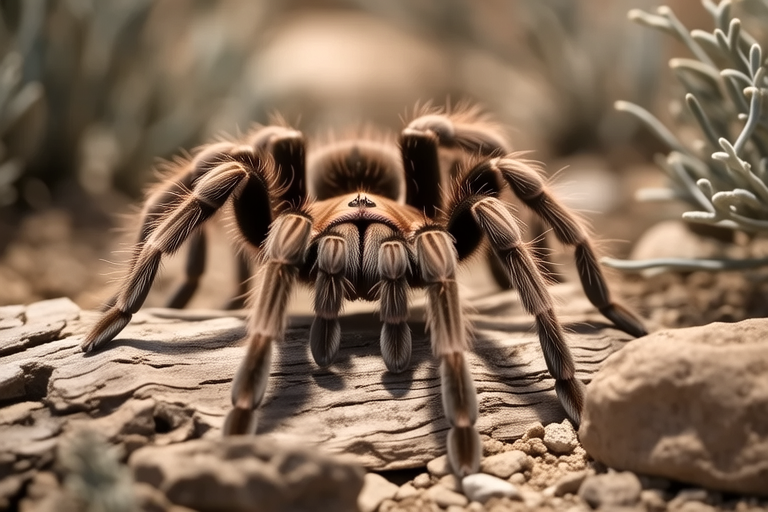
The Ultimate Beginner’s Guide to Chilean Rose Tarantulas: Tips and Tricks
Welcome to the world of tarantulas! If you’re considering adopting a pet tarantula, the Chilean rose tarantula (Grammostola rosea) is an excellent choice for beginners. Known for its docile temperament and manageable size, this species is popular among arachnophiles and newcomers alike. This guide will walk you through everything you need to know about caring for your Chilean rose tarantula, from setting up its home to understanding its dietary needs and ensuring its well-being.
Introduction to Chilean Rose Tarantulas
The Chilean rose tarantula is native to the arid regions of South America, including parts of Chile, Argentina, and Bolivia. They are named for their distinct pinkish hue when they first hatch, which fades into a more subdued brown or gray as they mature. These spiders are terrestrial, meaning they live on the ground rather than in trees. They are generally calm and slow-moving, making them perfect pets for those who want to observe their fascinating behavior without the stress of handling.
Habitat and Diet
In the wild, Chilean rose tarantulas reside in burrows, often under rocks or logs. To mimic their natural environment, it’s essential to provide a suitable enclosure at home. The enclosure should be spacious enough for the tarantula to move around comfortably but not so large that it feels lost or stressed. A general rule is to provide at least three times the leg span in width and height for each inch of body length.
Chilean rose tarantulas are primarily nocturnal, so they don’t require UV lighting but benefit from a heat source to maintain optimal temperatures. The ideal temperature range for these tarantulas is between 78°F and 85°F (26°C to 29°C), with a relative humidity level of about 60%. You can achieve this by using a digital thermometer and hygrometer to monitor conditions inside the enclosure.
Feeding your tarantula is straightforward. They are carnivorous and thrive on a diet of crickets, mealworms, and other small insects. Feed them once or twice a week, depending on their size and activity level. Juvenile tarantulas may eat smaller prey more frequently, while adults can handle larger insects less often. Always ensure any uneaten prey is removed after 24 hours to prevent stress or harm to your pet.
Care Requirements
Setting up the ideal enclosure involves several key components:
- Substrate: Use a substrate that retains moisture and provides a comfortable environment for burrowing. Popular choices include coconut fiber, peat moss, or a mix of both. A depth of about four inches allows ample space for digging and creating a cozy burrow.
- Hideouts: Provide hiding spots like cork bark or half logs to give your tarantula a sense of security. This is especially important during molting periods when they are most vulnerable.
- Water Source: Place a shallow water dish filled with dechlorinated water at one end of the enclosure. Make sure the dish is heavy enough to prevent tipping over, which could cause injury.
Maintaining Temperature and Humidity Levels
Temperature and humidity are critical factors in keeping your Chilean rose tarantula healthy. A heat mat placed underneath one side of the enclosure can help create a gradient where the tarantula can choose its preferred temperature. Maintain humidity levels by misting the enclosure every few days and ensuring adequate ventilation.
Signs of improper environmental conditions include lethargy, reduced appetite, and difficulty shedding. Regularly check these parameters and adjust accordingly to avoid any potential health issues.
Handling Techniques
While Chilean rose tarantulas are generally docile, they should still be handled with care. Always wash your hands before and after interaction to minimize the risk of transferring oils or bacteria. Gently place your hand near the front of the enclosure and allow the tarantula to crawl onto your hand. Never attempt to pick up the spider by its legs or abdomen, as this can cause injury.
Common Health Issues, Signs of Distress, and Solutions
Like any pet, Chilean rose tarantulas can face health challenges. One of the most common issues is difficulty molting, which can lead to incomplete sheds or missing limbs. Ensuring proper humidity and providing a soft substrate helps facilitate smooth molts. Another frequent problem is regurgitation, usually caused by overfeeding or poor digestion. Adjust feeding schedules and consult a veterinarian specializing in exotic animals if symptoms persist.
Signs of distress include refusal to eat, unusual movements, or changes in coloration. Address these concerns promptly by reviewing recent changes in care and seeking professional advice if necessary.
Feeding Schedules, Substrate Choices, and Enrichment Activities
Establish a consistent feeding schedule based on your tarantula’s age and size. Younger individuals typically require more frequent meals, whereas adults can go longer between feedings. Vary the types of insects offered occasionally to ensure a balanced diet.
To keep your tarantula mentally stimulated, consider adding enrichment items such as small branches, cork bark pieces, or even artificial plants. Rotate these periodically to prevent boredom and encourage exploration within the enclosure.
Breeding Information for Advanced Hobbyists
For those interested in breeding Chilean rose tarantulas, understanding the mating process is crucial. Males reach sexual maturity around two years old, while females take slightly longer. During courtship, males perform specific behaviors to attract females. After successful mating, females lay eggs in silk sacs and guard them until hatching. Breeding requires careful planning and monitoring to ensure the safety and health of all involved parties.
Resources for Further Learning
To deepen your knowledge about Chilean rose tarantulas and expand your skills as a keeper, explore books, online forums, and local reptile expos. Joining communities dedicated to exotic pets offers valuable insights and support from experienced enthusiasts.