
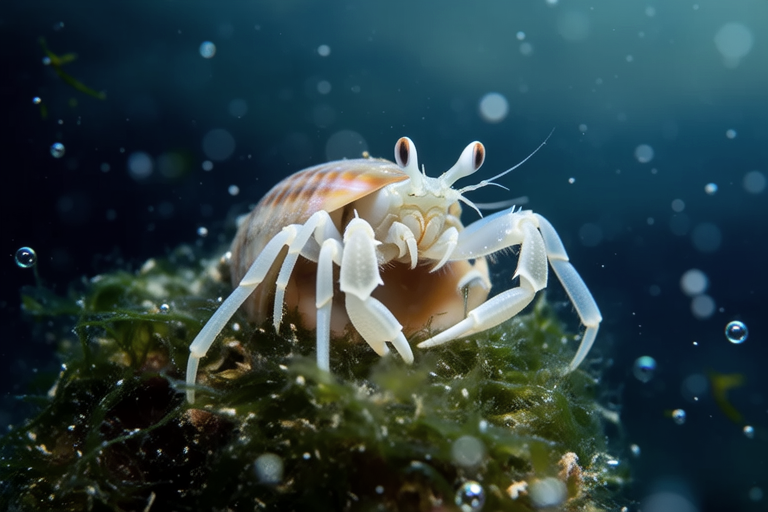
Shell Seekers Unite: Why Pea Crabs Are Nature’s Hidden Gems
Welcome, shell seekers! Dive into the captivating world of pea crabs, those petite yet powerful inhabitants of our oceans. These tiny crustaceans, known scientifically as Pinnotheridae, have been living in harmony with their bivalve hosts for millions of years. Their symbiotic relationship with oysters, mussels, and other bivalves makes them one of nature’s most fascinating and underappreciated creatures.
The Unique Symbiosis
Pea crabs are named for their small size, which often resembles a pea. They live inside the shells of their bivalve hosts, where they find shelter and food. This relationship is mutualistic; the crabs benefit from protection and a constant supply of nutrients, while their hosts receive assistance in cleaning and maintaining their gills. This partnership is a prime example of how different species can thrive together in the vast ocean.
Habitat and Distribution
Pea crabs can be found in various marine environments around the world, from shallow coastal waters to deep sea trenches. They prefer habitats rich in bivalves, such as estuaries, seagrass beds, and coral reefs. Their distribution spans across temperate and tropical regions, making them a truly global phenomenon. In some areas, they are even considered an indicator species, helping scientists understand the health of marine ecosystems.
Contributions to Marine Ecosystems
These diminutive crabs play a vital role in maintaining the balance of marine ecosystems. By keeping their hosts’ gills clean, they ensure that the bivalves can breathe efficiently, which in turn affects the water quality and the overall health of the surrounding environment. Additionally, pea crabs serve as a food source for larger predators, contributing to the complex web of marine life.
Interesting Facts About Pea Crabs
Lifecycle
The lifecycle of pea crabs is both fascinating and complex. Female pea crabs enter the mantle cavity of their host during their larval stage. Once inside, they undergo metamorphosis and remain with the same host for the rest of their lives. Males, on the other hand, live freely in the water until they find a mate. After mating, the female will carry her eggs on her abdomen until they hatch, at which point the larvae are released back into the water to begin the cycle anew.
Size
Pea crabs are incredibly small, typically measuring between 3 to 10 millimeters in length. Despite their tiny size, they pack a surprising amount of power and resilience. Their diminutive stature allows them to fit comfortably within the confines of their host’s shell, where they can maneuver and feed with ease.
Behavior
Inside their hosts, pea crabs lead a quiet but active life. They use their claws to scavenge for food particles and debris, which they consume directly or filter through their host’s gills. This behavior not only provides sustenance for the crabs but also helps maintain the cleanliness of their host’s living space. When threatened, pea crabs can retreat further into the safety of their host’s shell, demonstrating remarkable adaptability to their environment.
Challenges and Conservation Efforts
Despite their importance, pea crabs face several challenges in their natural habitat. Pollution, overfishing, and climate change pose significant threats to their survival. As bivalves are often targeted for human consumption, the populations of pea crabs are indirectly affected. To address these issues, conservationists are working to protect critical habitats and promote sustainable fishing practices. Research initiatives are also underway to better understand the ecological roles of pea crabs and develop strategies to safeguard their future.
Why Pea Crabs Deserve Attention
Pea crabs are more than just tiny hitchhikers; they are nature’s hidden gems. Their intricate relationship with bivalves showcases the beauty and complexity of marine ecosystems. For nature enthusiasts, studying pea crabs offers a window into the unseen world beneath the waves. Scientists, too, can gain valuable insights from these creatures, potentially leading to breakthroughs in understanding symbiosis and marine biology.
By raising awareness about pea crabs, we can inspire a greater appreciation for the diversity of life in our oceans. Encouraging further research and conservation efforts will help ensure that these remarkable creatures continue to thrive for generations to come.
So, next time you’re at the beach or exploring a tide pool, take a moment to consider the tiny worlds within the shells you encounter. You might just discover the next generation of pea crabs, ready to embark on their own journey of symbiosis and survival. Shell seekers unite – let’s celebrate the wonders of nature’s hidden gems!