
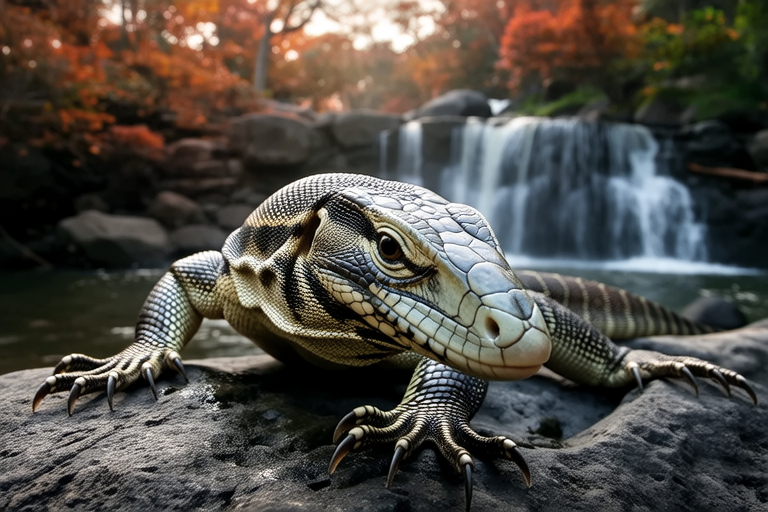
Meet the Water Monitor: A Comprehensive Look at This Unique Reptile Pet
The water monitor (Varanus salvator) is one of the most fascinating reptiles in the world, known for its impressive size, agility, and adaptability. These lizards, native to Southeast Asia, have gained popularity among reptile enthusiasts due to their striking appearance and unique behaviors. As pets, they require specialized care and attention, making them ideal for experienced reptile keepers who are prepared for the commitment.
Natural Habitat and Behaviors
Water monitors thrive in a variety of environments, from dense tropical forests to mangrove swamps, riverbanks, and even urban areas. They are highly adaptable, capable of swimming and climbing with ease. In the wild, these lizards are opportunistic feeders, consuming a wide range of prey, including fish, insects, small mammals, and even other reptiles. Their sharp senses and powerful limbs make them efficient hunters, and they are known for their ability to dive into water to catch their prey.
Water monitors are social animals that communicate through various vocalizations, body postures, and chemical signals. They are also known for their intelligence, often outsmarting traps set by humans. In captivity, water monitors exhibit similar behaviors, demonstrating problem-solving skills and a strong curiosity about their surroundings.
Care Requirements
Housing
Creating an appropriate habitat for a water monitor is crucial for their well-being. A spacious enclosure is essential, providing ample room for movement and exploration. The enclosure should be large enough to accommodate a water area, as water monitors spend a significant amount of time in water. For an adult water monitor, a minimum tank size of 8 feet long, 4 feet wide, and 6 feet high is recommended. The enclosure should also include branches and platforms for climbing, as well as hiding spots to provide security.
Temperature control is vital for maintaining a healthy water monitor. The enclosure should have a basking spot that reaches around 95°F (35°C), with the rest of the enclosure maintained at a temperature between 75°F and 85°F (24°C to 29°C). Humidity levels should be kept at approximately 60% to 80%, which can be achieved through regular misting and the use of a humidifier.
Diet
Water monitors are omnivorous, requiring a balanced diet of animal protein and plant matter. In captivity, their diet should consist primarily of lean meats such as chicken, beef, and fish, along with occasional fruits and vegetables. It is important to avoid feeding them fatty foods, as this can lead to health problems. Young water monitors should be fed daily, while adults can be fed every two to three days.
Supplements are necessary to ensure proper nutrition. A calcium and vitamin D3 supplement should be provided regularly, especially for growing monitors. Additionally, multivitamin supplements can help maintain overall health. Feeding live prey, such as feeder fish or insects, can also contribute to their nutritional needs.
Health Issues
Water monitors are generally hardy animals but are susceptible to certain health issues if not properly cared for. Common ailments include respiratory infections, skin disorders, and metabolic bone disease. Regular veterinary check-ups and routine health screenings are essential for early detection and treatment of these conditions.
Maintaining clean living conditions is critical for preventing illness. The enclosure should be cleaned regularly, with substrate changed frequently to prevent bacterial growth. Proper hygiene practices, such as washing hands before and after handling the monitor, can also reduce the risk of infection.
Tips for Owners
Handling and Bonding
Water monitors can be tamed and handled with patience and consistency. However, it is important to remember that they are wild animals and may display defensive behaviors, such as biting or tail whipping. Always approach your water monitor calmly and slowly, allowing it time to acclimate to your presence.
Bonding with a water monitor takes time and effort. Spend quality time with your pet, offering treats and gentle handling sessions. Over time, they may become more comfortable with human interaction, though they will always retain some of their wild nature.
The Commitment Required for Owning a Water Monitor
Owning a water monitor is a significant responsibility that requires a long-term commitment. These lizards can live for 10 to 20 years in captivity, depending on proper care and genetics. Potential owners must be prepared to provide a suitable environment, consistent care, and regular veterinary visits throughout the monitor’s lifespan.
The initial cost of setting up a water monitor enclosure can be substantial, with ongoing expenses for food, supplements, and veterinary care. Additionally, the space required for a water monitor can be challenging for those with limited living areas. It is crucial for prospective owners to thoroughly research and prepare for the demands of owning this unique reptile.
Recent Trends and Developments in Water Monitor Care
In recent years, advancements in reptile care have led to improved methods for maintaining the health and well-being of water monitors. Enrichment activities, such as providing puzzle feeders and interactive toys, have become popular ways to stimulate mental and physical activity. These activities can help reduce stress and boredom, promoting a healthier and happier pet.
New technologies, such as advanced heating and lighting systems, have made it easier to replicate the natural environment of water monitors in captivity. Additionally, increased awareness of the importance of environmental enrichment has encouraged owners to create more stimulating habitats for their pets.
As interest in exotic pets continues to grow, so does the availability of resources for water monitor owners. Online forums, social media groups, and specialized publications provide valuable information and support for those seeking guidance on caring for these unique reptiles.
In conclusion, the water monitor is a remarkable reptile that offers a fascinating glimpse into the world of wildlife. With proper care and attention, these intelligent and adaptable creatures can make rewarding companions for experienced reptile enthusiasts. By understanding their needs and dedicating oneself to their well-being, owners can ensure that their water monitors thrive in captivity.