
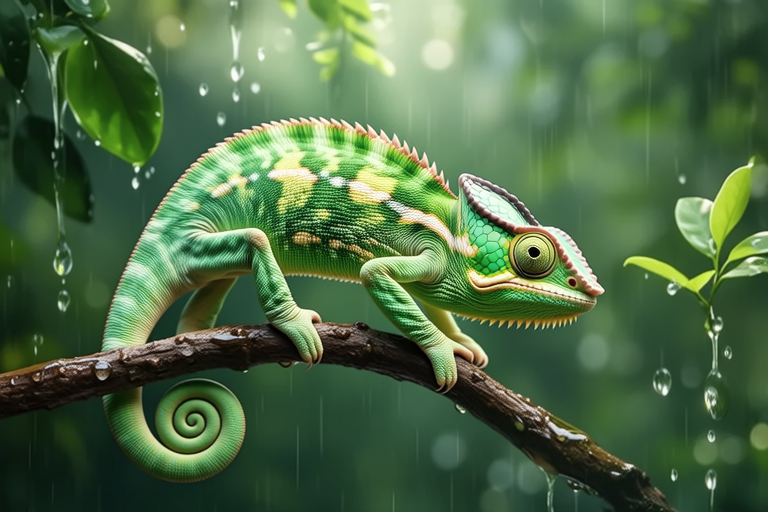
Common Mistakes New Chameleon Owners Make—and How to Avoid Them
Chameleons are fascinating creatures that have captured the hearts of many animal enthusiasts. Their unique ability to change color, coupled with their striking appearance, makes them popular pets. However, owning a chameleon requires a significant commitment to understanding their specific needs, as they have very particular requirements for health and happiness. This article will guide you through some common mistakes new chameleon owners make and provide actionable advice on how to avoid these pitfalls.
Understanding Your Chameleon
Before diving into the common mistakes, it’s essential to understand why chameleons need specialized care. These reptiles are arboreal, meaning they spend most of their time in trees. They require vertical enclosures, high humidity levels, and a variety of temperatures within their habitat to thrive. Chameleons also need specific dietary requirements, including live insects and a balanced calcium-to-phosphorus ratio. Understanding these basics is crucial for providing your chameleon with the best possible care.
Common Mistakes and How to Avoid Them
Mistake 1: Incorrect Diet
Why It’s Harmful: One of the most common mistakes new chameleon owners make is providing an inadequate diet. Many beginners feed their chameleons only crickets, which can lead to nutritional deficiencies. A diet lacking in variety can result in metabolic bone disease, poor growth, and even death.
How to Correct It: To ensure your chameleon gets all the necessary nutrients, vary its diet. Offer a mix of appropriately sized insects such as dubia roaches, silkworms, and hornworms. Dust these insects with a calcium supplement daily and a multivitamin once or twice a week. Additionally, consider offering leafy greens like collard greens or mustard greens as a treat.
Mistake 2: Improper Housing Setup
Why It’s Harmful: An inappropriate enclosure can cause stress and illness in your chameleon. Insufficient space, lack of proper climbing structures, and inadequate ventilation can lead to respiratory infections and other health issues.
How to Correct It: Provide a spacious, well-ventilated enclosure that mimics their natural habitat. Use a screen cage rather than glass, as this allows better air circulation. Ensure there are plenty of branches and vines for climbing, and provide appropriate foliage for hiding and resting. The enclosure should be large enough for your chameleon to move around comfortably, typically at least 4 feet tall by 2 feet wide.
Mistake 3: Handling Too Frequently
Why It’s Harmful: Chameleons are not social animals and do not enjoy being handled. Frequent handling can cause undue stress, leading to health problems such as weight loss, anorexia, and even death.
How to Correct It: Limit handling to only what is necessary, such as brief examinations. When you must handle your chameleon, do so gently and support its body fully. Remember, chameleons prefer to observe from a distance, so give them plenty of space and privacy.
Mistake 4: Inadequate Lighting
Why It’s Harmful: Proper lighting is crucial for chameleons’ health. UVB light helps them synthesize vitamin D3, which is vital for calcium absorption. Without adequate UVB, your chameleon may develop metabolic bone disease, leading to weakened bones and deformities.
How to Correct It: Invest in a high-quality UVB bulb designed specifically for reptiles. Position the bulb so that it provides direct light over a basking spot, ensuring your chameleon can bask within the effective range of the UVB light. Replace the bulb every six months, even if it still appears to be working, as UVB output diminishes over time.
Mistake 5: Incorrect Temperature and Humidity Levels
Why It’s Harmful: Chameleons require specific temperature and humidity gradients to thrive. If the enclosure is too hot or cold, or if humidity levels are inadequate, your chameleon may become stressed or ill.
How to Correct It: Maintain a temperature gradient ranging from 75°F (24°C) on the cool side to 90°F (32°C) on the warm side. Use a thermometer and hygrometer to monitor these conditions. Keep humidity between 40% and 60% during the day, increasing to 70% at night. Mist the enclosure regularly or use a fogger to maintain appropriate humidity levels.
Mistake 6: Lack of Water Availability
Why It’s Harmful: Chameleons drink water droplets from leaves, not from standing water. If they don’t have access to fresh water, they can become dehydrated, leading to serious health issues.
How to Correct It: Provide a dripper or misting system to simulate rain showers. Misting should occur several times a day, allowing water droplets to form on the leaves and branches. Additionally, you can place a shallow dish of water at the bottom of the enclosure for added moisture.
Mistake 7: Overcrowding
Why It’s Harmful: Chameleons are solitary animals and do not tolerate companionship well. Keeping multiple chameleons together can lead to aggressive behavior, stress, and even injury.
How to Correct It: Never house more than one chameleon per enclosure. Each chameleon requires its own space to feel secure and avoid conflict.
Mistake 8: Ignoring Regular Vet Visits
Why It’s Harmful: Regular veterinary check-ups are essential for maintaining your chameleon’s health. Many health issues are preventable with early intervention, but without regular visits, these issues can go unnoticed until they become severe.
How to Correct It: Schedule routine visits with a veterinarian who specializes in exotic pets. These visits should include physical exams, fecal checks, and blood tests. Early detection of potential health problems can significantly improve your chameleon’s quality of life.
Maintaining a Healthy Environment and Building a Strong Relationship
To maintain a healthy environment for your chameleon, ensure you’re attentive to its needs. Regularly clean the enclosure, replacing substrate and cleaning any accessories. Monitor your chameleon’s behavior and appetite closely, as changes could indicate underlying health issues.
Building a strong relationship with your chameleon involves understanding its unique nature. While chameleons are not social in the same way as dogs or cats, they can learn to recognize and trust their owners. Spend time observing your chameleon from a distance, and gradually introduce gentle interactions when it seems comfortable. This approach fosters a bond based on mutual respect and understanding.
Owning a chameleon is a rewarding experience, but it comes with significant responsibilities. By avoiding these common mistakes and following the advice provided, you’ll be well on your way to providing your chameleon with a happy, healthy life. Remember, the key to successful chameleon ownership lies in education, attentiveness, and a genuine love for these remarkable creatures.