
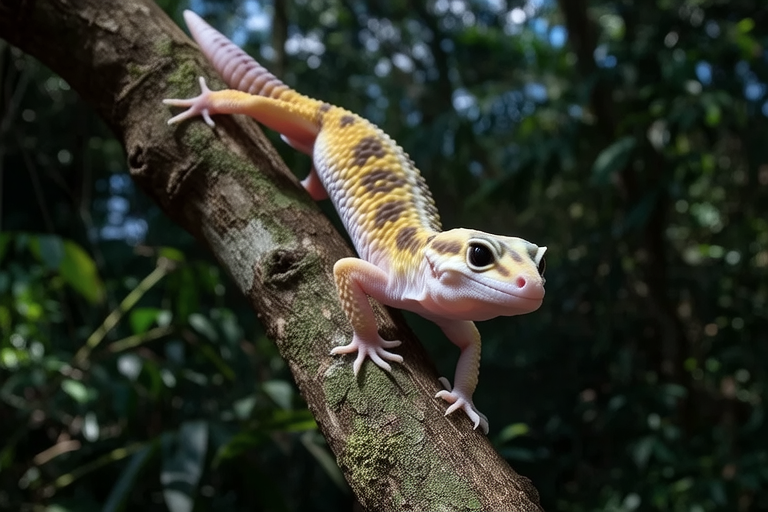
From Jungle to Home: The Journey of Domesticated Chameleons
Introduction
Chameleons have long captured the imagination with their unique abilities to change color and blend into their surroundings. These fascinating reptiles, native to Africa and Madagascar, have made a remarkable journey from their natural habitats to living rooms around the world. This article explores the life of chameleons in the wild, their transition to domesticated pets, and the responsibilities of caring for these creatures in a home environment.
The Natural Habitat and Behaviors of Wild Chameleons
Chameleons thrive in diverse environments, from lush tropical rainforests to arid deserts. They are primarily arboreal, spending most of their lives among the branches of trees and bushes. Their prehensile tails help them balance and move between perches, while their feet, designed with two opposing groups of toes, allow them to grip narrow surfaces securely.
One of the most intriguing aspects of chameleons is their ability to change color. This adaptation serves multiple purposes, such as communication, temperature regulation, and camouflage. While many people believe chameleons change color to match their surroundings, they actually alter their hues to express emotions, attract mates, or signal danger. Additionally, chameleons possess a highly specialized tongue that can extend up to twice their body length to catch insects.
Historical Context: From Wild to Domesticated
The history of chameleons as pets dates back centuries, with early records indicating their presence in ancient Egypt, Greece, and Rome. However, it wasn’t until the mid-20th century that chameleons became popular as household pets. Advances in veterinary medicine and husbandry techniques made it possible to keep these delicate creatures alive and thriving outside their native environments.
Initially, chameleons were imported from Africa and Madagascar for zoos and private collections. As knowledge about their care grew, so did interest among the general public. Today, many species are bred in captivity, reducing the demand for wild-caught animals and promoting responsible pet ownership.
Key Considerations for Potential Owners
Care Requirements
Owning a chameleon requires a significant commitment to providing proper care. Chameleons need specific environmental conditions to thrive, including appropriate temperature gradients, humidity levels, and UVB lighting. A well-designed enclosure with ample vertical space is crucial, as chameleons spend much of their time climbing.
Feeding chameleons can also be challenging. Insects like crickets, dubia roaches, and silkworms should be offered, but they must be gut-loaded with nutritious food before being fed to the chameleon. Dusting the insects with calcium and vitamin D3 supplements ensures that the chameleon receives all necessary nutrients.
Housing Needs
A suitable habitat for a chameleon should mimic its natural environment as closely as possible. Enclosures should be large enough to provide adequate space for climbing and basking. For example, a young panther chameleon would require at least a 40-gallon tank, while an adult might need something larger.
UVB lighting is essential for chameleons to synthesize vitamin D3, which aids in calcium absorption. Without proper lighting, chameleons may develop metabolic bone disease. Regular cleaning of the enclosure is also important to maintain hygiene and prevent infections.
Dietary Preferences
Chameleons are insectivores and require a varied diet to stay healthy. In addition to insects, some species may benefit from small amounts of plant matter. It’s important to offer a wide variety of prey items to ensure nutritional balance. Feeding times should be consistent, and prey should be appropriately sized for the chameleon’s mouth.
Common Misconceptions About Chameleon Care and Behavior
Many new chameleon owners harbor misconceptions about their pets’ needs and behaviors. One common myth is that chameleons require less water than other reptiles because they absorb moisture through their skin. In reality, chameleons need regular misting and access to fresh water to stay hydrated.
Another misconception is that chameleons are low-maintenance pets. While they may appear docile, chameleons are sensitive to changes in their environment and can become stressed easily. Proper care demands attention to detail and a willingness to learn about their specific needs.
Responsibilities and Rewards of Owning a Domesticated Chameleon
Owning a chameleon comes with both challenges and rewards. On one hand, it requires dedication to creating an optimal environment and providing the right nutrition. On the other hand, watching these creatures grow and thrive under your care can be incredibly rewarding.
Responsible pet ownership includes considering the ethical implications of keeping exotic animals. Supporting conservation efforts and choosing captive-bred animals over those taken directly from the wild helps preserve chameleon populations in their natural habitats.
Conclusion
From their native jungles to our homes, chameleons have made an incredible journey. By understanding their unique needs and behaviors, we can ensure these fascinating creatures live happy, healthy lives as domesticated pets. Ethical ownership and conservation efforts play a vital role in maintaining the health of chameleon populations worldwide. With proper care and attention, owning a chameleon can be a rewarding experience for both the animal and its human companions.