
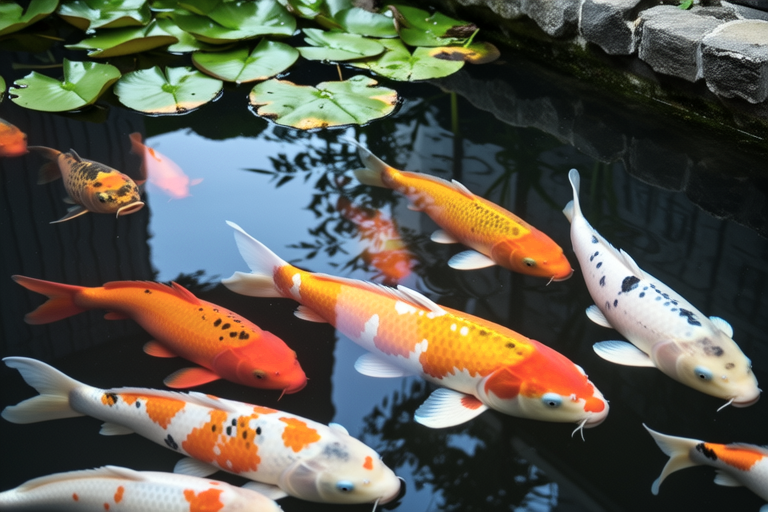
Koi Pond Care: Secrets for Vibrant and Healthy Fish
Welcome to the world of koi pond care! Koi fish, with their vibrant colors and graceful movements, have captivated enthusiasts for centuries. However, maintaining a thriving koi pond requires more than just setting up a beautiful aquatic environment; it demands diligent care and attention. Proper koi pond maintenance ensures not only the longevity but also the vibrancy and health of your fish. This article will guide you through the essential aspects of koi pond care, providing practical insights that will help both novice and experienced koi keepers.
The Importance of Proper Koi Pond Maintenance
Proper maintenance is crucial for the well-being of your koi. A well-maintained pond provides a clean, healthy environment that supports the fish’s natural behaviors and physiological processes. Neglecting maintenance can lead to poor water quality, which can cause stress, illness, and even death in your koi. By understanding the importance of regular care, you can ensure your fish live long, happy lives.
Optimal Water Quality Management
Water quality is paramount for koi health. The water in your pond should be clear, free from harmful chemicals, and rich in oxygen. Here are some key aspects to consider:
- Water Filtration: Invest in a high-quality filtration system that can handle the volume of your pond. Mechanical, biological, and chemical filtration are all necessary components. Regularly clean the filters to prevent blockages.
- Water Testing: Test your pond water regularly for pH levels, ammonia, nitrite, and nitrate concentrations. These tests will alert you to any imbalances that could harm your koi.
- Aeration: Ensure your pond has sufficient aeration to maintain oxygen levels. Oxygen is vital for koi respiration and overall health.
- Water Changes: Periodically replace part of the pond water to dilute accumulated pollutants and refresh the environment.
Feeding Practices
Feeding koi properly is another critical aspect of their care. Overfeeding can lead to poor water quality and obesity, while underfeeding can result in malnutrition. Here are some guidelines:
- Quality Food: Choose a high-quality koi food that meets the nutritional needs of your fish. Look for foods rich in protein and other essential nutrients.
- Feeding Amounts: Feed your koi only what they can consume within five minutes. Adjust the quantity based on the number of fish and the size of the pond.
- Feeding Frequency: Feed your koi multiple times a day during warmer months when they are more active. Reduce feeding frequency as temperatures drop in colder seasons.
Disease Prevention
Disease prevention is easier than treatment. By maintaining a clean and healthy pond, you significantly reduce the risk of diseases. Here are some preventive measures:
- Quarantine New Fish: Always quarantine new fish before introducing them to your main pond to prevent the spread of diseases.
- Regular Health Checks: Regularly observe your koi for signs of distress or disease. Early detection is key to successful treatment.
- Water Quality: Maintain optimal water conditions to minimize stress, which weakens the fish’s immune system and makes them more susceptible to diseases.
Suitable Pond Environment Setup
A well-designed pond environment promotes the health and happiness of your koi. Consider the following elements:
- Depth and Size: Ensure your pond is deep enough to provide adequate space for the fish to swim comfortably and hide when necessary. The size should be proportional to the number of koi you plan to keep.
- Shade and Shelter: Provide areas where your koi can rest out of direct sunlight. This can include floating plants, submerged structures, or artificial shelters.
- Plants: Incorporate aquatic plants that provide oxygen and natural filtration. Plants also offer hiding places and contribute to the aesthetic appeal of the pond.
Seasonal Care Tips
Koi require special care during different seasons. Here are some seasonal tips:
- Spring: Spring is the time to check and clean filters, test water quality, and introduce new fish if needed. Gradually increase feeding as the temperature rises.
- Summer: Monitor water temperature closely, especially during heatwaves. Increase aeration and shade to protect your koi from overheating.
- Fall: As temperatures cool, reduce feeding and prepare for winter. Clean the pond bottom to remove debris that could decompose over winter.
- Winter: Ensure the pond is deep enough to prevent freezing. Use heaters or aerators to maintain oxygen levels and prevent ice formation.
Common Mistakes to Avoid
Mismanagement can lead to various issues. Here are some common mistakes to avoid:
- Overcrowding: Too many fish in a small pond can lead to poor water quality and stress.
- Poor Filtration: Inadequate filtration systems can result in murky water and unhealthy living conditions.
- Inconsistent Feeding: Erratic feeding schedules can disrupt the fish’s metabolism and cause digestive issues.
Regular Monitoring and Adjustments
Regular monitoring and timely adjustments are essential for long-term koi health. Keep a close eye on water parameters, fish behavior, and overall pond condition. Be proactive in addressing any issues that arise. By maintaining a consistent routine of observation and adjustment, you ensure your koi pond remains a vibrant and healthy habitat for your beloved fish.
In conclusion, koi pond care involves a combination of knowledge, diligence, and love. By adhering to the principles outlined in this article, you can create a thriving environment for your koi, ensuring they remain vibrant and healthy. Remember, the effort you put into caring for your koi will be rewarded with years of enjoyment and beauty in your backyard oasis.