
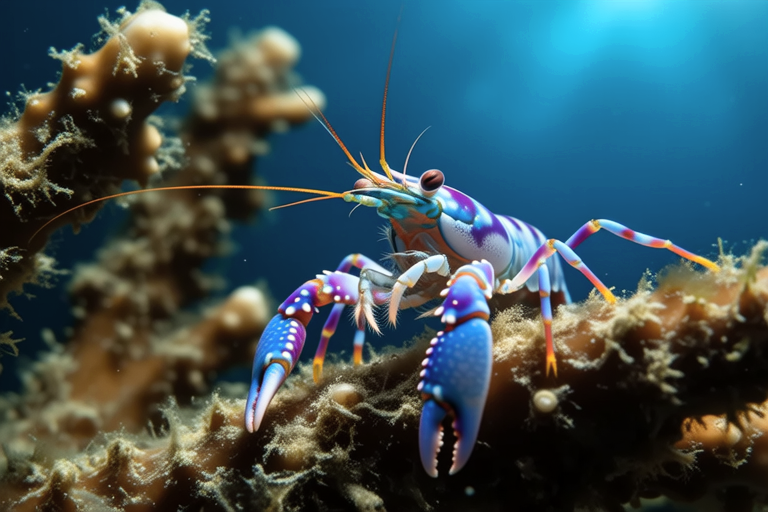
Uncover the Hidden World of Coral Shrimp: Perfect Aquarium Dwellers
Welcome to the enchanting world of coral shrimp! These tiny crustaceans are not only visually captivating but also play a crucial role in maintaining the health of their aquatic environments. This article delves into the fascinating characteristics, behaviors, and care requirements of coral shrimp, making them perfect dwellers for your home aquarium.
Common Coral Shrimp Species Found in Aquariums
Among the numerous species of coral shrimp available, some stand out as particularly popular among aquarists. The blue-ringed cleaner shrimp (Stenopus hispidus), known for its striking blue rings and aggressive cleaning behavior, is a favorite. Another notable species is the blood shrimp (Lysmata debelius), recognized by its vibrant red coloration. The peppermint shrimp (Lysmata wurdemanni), with its distinctive striped appearance, is also widely appreciated for its ability to control Aiptasia anemones. Additionally, the harlequin shrimp (Hymenocera picta) is a standout due to its striking black and white polka-dot pattern and its unique diet of starfish.
Natural Habitat and Its Influence on Care Requirements
Coral shrimp are native to tropical and subtropical waters around the world, thriving in diverse marine environments such as coral reefs, rocky shores, and seagrass beds. Their natural habitats provide a wealth of food sources, shelter, and social interactions that influence their care requirements in home aquariums. To replicate their natural conditions, it’s essential to understand their specific needs.
Water quality plays a critical role in the well-being of coral shrimp. Maintaining optimal water parameters ensures their survival and promotes healthy growth. Temperature should be kept between 72°F and 80°F (22°C to 27°C), while salinity should range from 1.023 to 1.026 specific gravity. pH levels should be maintained between 8.1 and 8.4, and ammonia and nitrite levels should be undetectable. Regular water changes and the use of high-quality filtration systems help maintain these ideal conditions.
Setting Up an Optimal Environment for Coral Shrimp
Creating an ideal environment for coral shrimp involves careful consideration of tank size, substrate, lighting, and tank mates. A minimum tank size of 20 gallons is recommended for most species, providing ample space for exploration and activity. The choice of substrate is equally important; a fine-grained sand or crushed coral provides a natural substrate that mimics their natural habitat.
Proper lighting is crucial for coral shrimp, as it stimulates photosynthesis in algae and enhances the overall aesthetic appeal of the tank. LED lights with adjustable spectrums offer flexibility, allowing you to simulate various lighting conditions throughout the day. Including live rock and corals in the tank not only adds visual interest but also provides hiding spots and grazing areas for the shrimp.
When selecting tank mates, it’s essential to consider compatibility. Peaceful fish species like clownfish, tangs, and wrasses can coexist harmoniously with coral shrimp. However, aggressive or predatory fish should be avoided, as they may pose a threat to the shrimp. In terms of decorations, incorporating driftwood, caves, and other structures offers additional hiding spots and enrichment opportunities for the shrimp.
The Role of Coral Shrimp in Tank Cleanliness and Symbiotic Relationships
Coral shrimp play a vital role in maintaining tank cleanliness by consuming detritus, uneaten food, and algae. Their scavenging behavior helps prevent the accumulation of harmful substances and promotes a healthier aquatic environment. Additionally, some species, such as the blue-ringed cleaner shrimp, engage in cleaning behavior, removing parasites and dead tissue from larger fish.
In the wild, coral shrimp form symbiotic relationships with various organisms within the reef ecosystem. For instance, the harlequin shrimp has a unique relationship with starfish, preying on them exclusively. This specialized diet makes them valuable members of the reef community, helping to regulate starfish populations. Similarly, the blue-ringed cleaner shrimp forms mutualistic relationships with larger fish, cleaning them in exchange for protection and nutrients.
Tips for Feeding and Breeding Coral Shrimp Successfully in Captivity
Feeding coral shrimp properly is essential for their health and longevity. A balanced diet consisting of high-quality flake food, pellets, and frozen or live foods ensures they receive all necessary nutrients. Supplementing their diet with occasional treats like brine shrimp or mysis shrimp provides variety and enrichment. It’s important to avoid overfeeding, as excess food can lead to poor water quality.
Breeding coral shrimp in captivity can be a rewarding endeavor, offering the opportunity to observe their life cycle and contribute to their conservation. To encourage breeding, provide a stable environment with appropriate water parameters and ample hiding spots. Mating typically occurs during the night, with females carrying eggs until they hatch. Newly hatched larvae require specialized care, including small portions of live food and clean water.
Observing the daily activities of coral shrimp in your own aquarium can be a truly enriching experience. From their unique behaviors to their vital roles in the ecosystem, these fascinating creatures bring a new dimension to the underwater world. By providing them with the proper care and attention, you can ensure their well-being and enjoy the beauty and wonder they bring to your aquatic environment.