
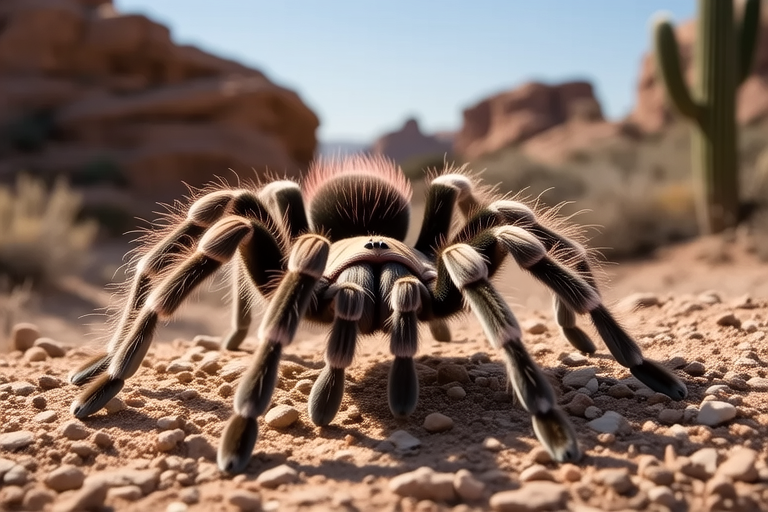
Top 5 Myths About the Chilean Rose Tarantula Debunked!
The Chilean rose tarantula (Grammostola rosea) is one of the most popular pet tarantulas due to its manageable size, docile temperament, and striking appearance. Despite its growing popularity, many myths and misconceptions about this spider persist. This article aims to debunk the top five myths surrounding the Chilean rose tarantula, providing accurate information based on scientific facts, behavioral insights, and expert care tips.
Myth 1: The Chilean Rose Tarantula is Highly Venomous
One of the most pervasive myths about the Chilean rose tarantula is that it possesses highly toxic venom capable of killing humans. While it’s true that all spiders have venom, the toxicity of the Chilean rose tarantula’s venom is relatively low. Their venom primarily serves to immobilize prey, such as insects and small vertebrates, and to defend themselves against predators.
Scientifically, the venom of the Chilean rose tarantula contains neurotoxins that affect the nervous system of their prey, causing paralysis. However, these toxins are far less potent when applied to larger animals, including humans. In fact, the bite from a Chilean rose tarantula is often compared to a bee sting in terms of pain and discomfort. It may cause localized swelling, redness, and mild pain, but it is rarely dangerous to healthy adults.
For those who handle these spiders regularly, it is important to understand that they are more likely to flee or attempt to escape rather than bite. They reserve their venom for situations where they feel genuinely threatened. Handling your tarantula with care and respect can prevent any unnecessary bites.
Myth 2: The Chilean Rose Tarantula is Aggressive
Another common misconception is that the Chilean rose tarantula is aggressive and prone to attacking humans. This could not be further from the truth. In reality, the Chilean rose tarantula is one of the calmest and least aggressive tarantulas available as pets.
These spiders are primarily nocturnal, spending most of their time hiding during the day and hunting at night. They prefer to avoid confrontation and will usually retreat if they sense a threat. Their first line of defense is to flee or hide in their burrows, and they only resort to biting as a last resort when they feel cornered or provoked.
Understanding the natural behavior of the Chilean rose tarantula is key to dispelling this myth. Regular handling can help them become accustomed to human interaction, making them even more docile over time. Always approach your tarantula with gentle movements and avoid sudden actions that might startle it.
Myth 3: The Chilean Rose Tarantula Cannot Be Tamed
It’s a common belief that tarantulas, especially the Chilean rose variety, cannot be tamed or handled. However, this is a misconception that stems from a lack of understanding of the species’ behavior and the importance of proper handling techniques.
With consistent and gentle handling, the Chilean rose tarantula can indeed become comfortable with regular interaction. It’s essential to start by allowing the spider to acclimate to its environment before attempting to handle it. Gradually increase the duration and frequency of handling sessions, ensuring that each interaction is positive and stress-free.
Careful handling also requires the right equipment. A soft, wide-handled brush can be used to gently guide the tarantula into a container or onto a handler’s hand. Always support the tarantula’s abdomen and legs to prevent injury. Over time, you’ll find that your Chilean rose tarantula becomes more relaxed around you, recognizing the routine and associating it with safety.
Myth 4: The Chilean Rose Tarantula Does Not Require Specialized Care
Despite being relatively hardy, the Chilean rose tarantula still requires specialized care to thrive in captivity. Many beginners mistakenly believe that these spiders can survive in any enclosure without specific attention to temperature, humidity, and substrate.
Optimal care for a Chilean rose tarantula involves maintaining a temperature range between 75°F and 85°F (24°C to 29°C) and a relative humidity level of 60% to 80%. These conditions mimic their natural habitat in the dry regions of Chile and Argentina. A glass terrarium with a secure lid is ideal for housing a Chilean rose tarantula, ensuring that it has enough space to move freely and construct its burrow.
The substrate should be at least 3 to 4 inches deep, composed of coconut fiber or a mixture of vermiculite and peat moss, to allow the tarantula to dig and create a comfortable living environment. Providing hiding spots, such as cork bark or silk plants, is also crucial for the spider’s well-being.
Feeding a balanced diet is equally important. Insects like crickets, mealworms, and dubia roaches are suitable prey items. It’s recommended to dust the prey with calcium and vitamin supplements to ensure the tarantula receives adequate nutrition. Feeding should occur once or twice a week, depending on the age and size of the tarantula.
Myth 5: The Chilean Rose Tarantula’s Color Indicates Its Age
Many people believe that the color of a Chilean rose tarantula indicates its age, with younger specimens being lighter and older ones darker. While it’s true that young Chilean rose tarantulas tend to have a lighter pinkish hue, the coloration can vary widely among individuals and is influenced by factors other than age.
The coloration of the Chilean rose tarantula can change due to environmental factors, health status, and even the spider’s mood. Stress, poor nutrition, or inadequate humidity levels can lead to duller colors. Conversely, a well-fed and hydrated tarantula may exhibit brighter, more vibrant colors.
To determine the age of a Chilean rose tarantula, it’s best to consult a professional or an experienced hobbyist. They can provide insights based on the spider’s size, molting frequency, and overall health. Remember, tarantulas can live up to 15 years or more in captivity, so patience and careful observation are key to understanding their life cycle.
Conclusion
The Chilean rose tarantula is a fascinating and rewarding pet for both novice and experienced arachnid enthusiasts. By understanding and addressing the common myths surrounding this species, we can appreciate its unique characteristics and provide it with the care it deserves. Remember, the key to successful tarantula ownership lies in education, patience, and respect for the spider’s natural behaviors.
Whether you’re a new owner or a seasoned keeper, always strive to learn more about your tarantula’s needs and preferences. With the right knowledge and care, your Chilean rose tarantula can bring joy and wonder to your home for many years to come.