
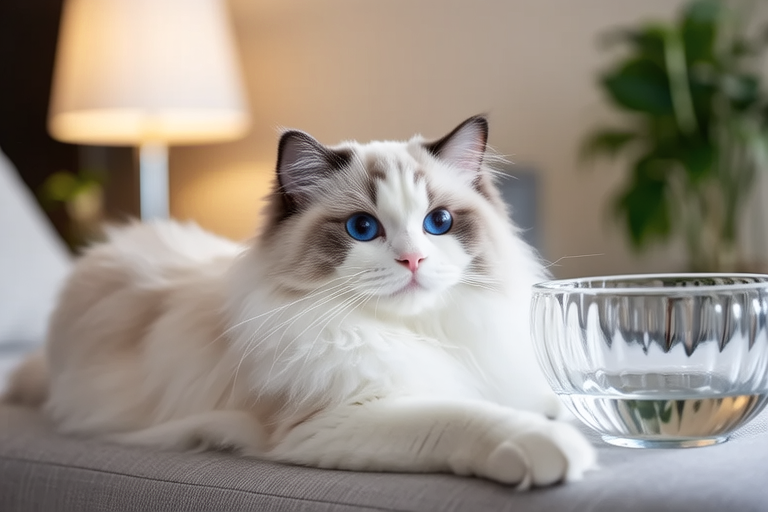
Luxurious Living: Tips for Raising a Happy and Healthy Persian Cat
Welcome to the world of luxurious living with your Persian cat! These elegant creatures require special attention to ensure they lead a happy and healthy life. From dietary needs to environmental enrichment, this guide will provide you with all the information you need to become the perfect owner for your Persian companion.
Essential Nutrition Tailored for Persian Cats
The first step towards ensuring your Persian cat’s well-being is providing them with the right diet. Persian cats have specific nutritional requirements due to their breed characteristics. High-quality cat food designed specifically for Persians can help maintain their coat, support kidney function, and promote overall health.
- Protein: A diet rich in animal-based proteins like chicken, fish, or lamb is essential for muscle development and energy.
- Fat: Omega-3 and omega-6 fatty acids found in fish oil or flaxseed oil contribute to a shiny coat and healthy skin.
- Vitamins and Minerals: Supplements such as vitamin E, taurine, and chondroitin may be necessary if not present in sufficient quantities in their regular food.
Consult with your veterinarian about appropriate portion sizes and feeding schedules based on your cat’s age, weight, and activity level. Remember that overfeeding can lead to obesity, which is common among Persians due to their sedentary nature.
Grooming Tips to Maintain Their Long Coats
Persian cats are known for their luxurious, long fur, but this beauty comes with responsibility. Regular grooming helps prevent matting, reduces shedding, and keeps your cat comfortable.
- Bathing: Bathe your Persian every four to six weeks using a mild shampoo suitable for cats. Avoid getting water into their ears or eyes.
- Brushing: Daily brushing with a slicker brush removes loose hair and prevents tangles. Consider using a wide-toothed comb for deeper cleaning.
- Trimming: Trim nails weekly to avoid overgrowth and discomfort. Check for signs of ingrown claws or bleeding.
- Eyecare: Use a damp cotton ball or soft cloth to gently wipe around the eyes daily, removing any discharge or debris.
Make grooming sessions enjoyable by rewarding your cat with treats and praise after each session.
Common Health Issues and Preventive Care
Despite their regal appearance, Persian cats are prone to certain health problems. Early detection and proper care can significantly improve their quality of life.
- Respiratory Issues: Brachycephalic (flat-faced) Persians often experience breathing difficulties. Keep them cool during hot weather and monitor for signs of distress.
- Eye Problems: Tear staining, conjunctivitis, and corneal ulcers are common. Regular eye checks and prompt treatment at the first sign of infection are crucial.
- Obesity: As mentioned earlier, maintaining a healthy weight through controlled feeding and regular exercise is vital.
- Dental Disease: Brush teeth regularly using pet-safe toothpaste and consider dental chews.
Schedule routine veterinary visits for vaccinations, deworming, and general check-ups. Discuss any concerns or changes in behavior with your vet immediately.
Creating an Enriching Environment That Stimulates Their Playful Nature
Persians may appear lazy, but they still enjoy playtime and mental stimulation. Creating an engaging environment encourages physical activity and cognitive engagement.
- Toys: Provide interactive toys such as puzzle feeders, laser pointers, and feather wands. Rotate toys periodically to keep interest levels high.
- Hiding Spots: Cats love hiding places. Add tunnels, boxes, or elevated platforms where they can retreat when feeling overwhelmed.
- Scratching Posts: Invest in sturdy scratching posts covered in sisal rope or carpet. Encourage use by placing near sleeping areas or entryways.
- Vertical Space: Install cat trees or wall-mounted shelves to allow vertical exploration. This mimics climbing behaviors seen in wild felines.
Engage your cat in supervised play sessions twice daily to foster bonding and promote fitness.
Advice on Socializing Them for a Balanced Lifestyle
Socialization plays a critical role in shaping your Persian’s personality. Early exposure to various stimuli helps develop confidence and adaptability.
- Introducing New People: Gradually introduce new visitors by allowing brief interactions followed by rewards. This builds trust and reduces fear responses.
- Handling Exercises: Practice gentle handling techniques from an early age. Lift, hold, and touch different parts of your cat’s body regularly.
- Positive Reinforcement: Reward desired behaviors with treats, praise, or playtime. Avoid punishment, which can cause anxiety and aggression.
- Exposure to Other Pets: If possible, expose your Persian to other animals under controlled conditions. Supervise initial encounters and gradually increase interaction time.
A well-socialized Persian cat is more likely to enjoy family gatherings and feel secure in diverse environments.
In conclusion, raising a happy and healthy Persian cat involves understanding their unique needs and providing loving care. By focusing on nutrition, grooming, health maintenance, environmental enrichment, and socialization, you’ll create a fulfilling life for your cherished companion. Enjoy the journey together!