
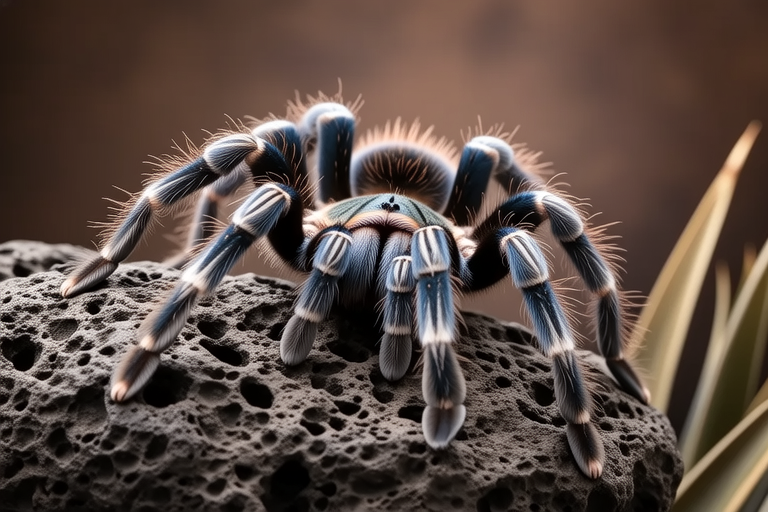
Tarantulas: Diversity, Unique Characteristics, and Cool Species
When most people think of tarantulas, they envision large, hairy spiders lurking in dark corners. However, these arachnids are far more diverse and fascinating than many realize. With over 900 known species across various continents, tarantulas exhibit an incredible range of sizes, colors, behaviors, and habitats. Some species can be found in tropical rainforests, while others thrive in deserts or grasslands. Each species has its own unique characteristics, from venomous fangs to specialized hunting techniques.
The Coolest Tarantula Species
1. Mexican Redknee Tarantula (Brachypelma smithi)
One of the most iconic tarantula species, the Mexican Redknee Tarantula is native to Mexico’s Pacific coast. This medium-sized spider boasts a striking appearance, with black legs adorned with red bands near the joints and a dark brown abdomen. Despite their intimidating looks, these tarantulas are relatively docile and rarely bite unless provoked.
Mexican Redknee Tarantulas prefer humid environments and burrow into the ground to create dens. They are nocturnal creatures, emerging at night to hunt small insects like crickets and moths. Interestingly, this species exhibits a behavior known as “leg-waving,” where they wave their front legs to ward off potential threats or attract mates.
2. Pinktoe Tarantula (Avicularia avicularia)
The Pinktoe Tarantula hails from the tropical regions of South America, including Guyana and Brazil. As its name suggests, this arboreal tarantula has pink-tipped toes, which contrast beautifully against its dark brown or reddish-brown body. These spiders are known for their speed and agility, making them excellent climbers.
Pinktoes live in trees, building webs between branches to catch prey. They are less aggressive than many other tarantula species but can deliver a painful bite if threatened. One fascinating fact about Pinktoe Tarantulas is their ability to produce silk from their feet, allowing them to climb smooth surfaces with ease.
3. Goliath Birdeater (Theraphosa blondi)
Weighing up to 6 ounces and measuring nearly 12 inches in leg span, the Goliath Birdeater is the largest tarantula species. Native to the rainforests of northern South America, this massive arachnid is named after an old belief that it preys on birds. In reality, its diet consists mostly of insects, frogs, and small mammals.
Goliath Birdeaters are nocturnal and spend most of their time in underground burrows. Their impressive size is matched by their defensive capabilities; when threatened, they may rub their abdomen bristles together to release irritating hairs that can cause skin irritation or respiratory issues in humans. Despite their intimidating presence, these tarantulas are generally non-aggressive towards humans.
4. Chilean Rose Hair Tarantula (Grammostola rosea)
The Chilean Rose Hair Tarantula is a popular choice for beginners due to its docile nature and ease of care. Native to Chile and Argentina, this terrestrial tarantula has a light pink or rose-colored body with darker legs. Its calm demeanor makes it an ideal candidate for those new to tarantula ownership.
Chilean Rose Hair Tarantulas are primarily nocturnal, spending their days in burrows and emerging at night to hunt. They have a relatively short lifespan compared to other tarantula species, living around 8-10 years. An interesting adaptation of this species is their ability to change color slightly depending on their environment and mood, ranging from pale pink to deep orange.
5. Brazilian Black Tarantula (Acanthoscurria geniculata)
As its name suggests, the Brazilian Black Tarantula is predominantly black in color, with a glossy abdomen and lighter-colored legs. This terrestrial species is native to Brazil’s Atlantic Forest and is known for its impressive size and strength. The Brazilian Black Tarantula can grow up to 7 inches in leg span and weighs approximately 2.5 ounces.
These tarantulas are nocturnal hunters, feeding on a variety of insects and small vertebrates. One of the most remarkable aspects of the Brazilian Black Tarantula is its venom, which contains neurotoxins capable of paralyzing prey almost instantly. While their venom is not particularly dangerous to humans, a bite can still cause localized pain and swelling.
6. Greenbottle Blue Tarantula (Chromatopelma cyaneopubescens)
The Greenbottle Blue Tarantula is a strikingly beautiful species native to Venezuela and Colombia. Named for its iridescent blue carapace and legs, this tarantula is often referred to as the “blue bottle” due to its resemblance to blue glass bottles. Its vibrant coloration serves as both a warning to potential predators and a means of attracting mates.
Greenbottle Blues are terrestrial spiders that prefer warm, humid climates. They are known for their rapid movements and defensive posture when threatened. Interestingly, this species is one of the few tarantulas that can produce sounds by rubbing their mouthparts together, creating a hissing noise that can deter predators.
Choosing a Tarantula as a Pet
If you’re considering adding a tarantula to your family, it’s essential to choose a species suitable for your lifestyle and experience level. Here are some factors to consider:
- Species Suitability: Some tarantulas, like the Chilean Rose Hair, are well-suited for beginners due to their docile nature and ease of care. Others, such as the Goliath Birdeater, require more advanced knowledge and experience.
- Housing: Provide a spacious enclosure with appropriate substrate, temperature, and humidity levels. A 10-gallon tank is usually sufficient for smaller species, while larger tarantulas may need a 20-gallon or larger enclosure.
- Diet: Feed your tarantula a balanced diet consisting of crickets, mealworms, and other insects. Offer food every 7-10 days for adult tarantulas, adjusting frequency based on the individual’s size and appetite.
- Handling: While some tarantulas can be handled safely, it’s generally best to minimize direct contact to avoid stressing the spider or accidentally causing injury.
- Healthcare: Regularly monitor your tarantula for signs of illness or injury. Consult a veterinarian specializing in exotic animals if you notice any concerning symptoms.
By following these guidelines and conducting thorough research, you can provide a safe and comfortable home for your new tarantula companion.