
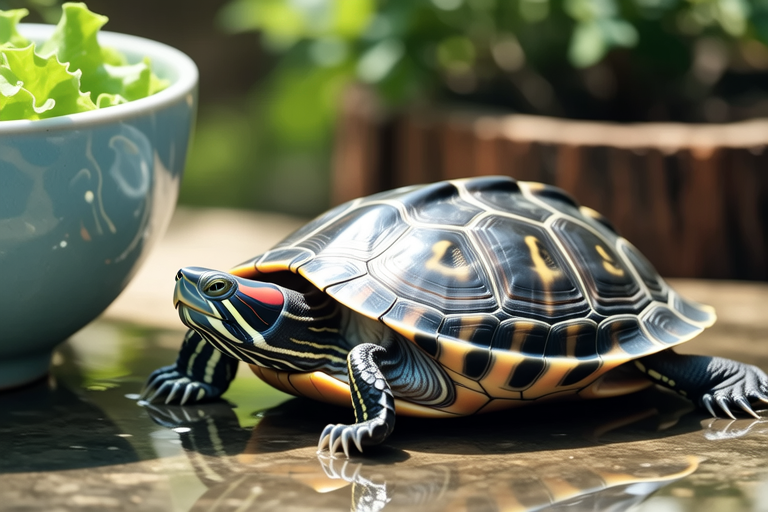
From Basking Spot to Bowl: A Red-eared Slider’s Daily Life
Welcome to the fascinating world of red-eared sliders! These charismatic turtles are popular pets due to their charming appearance and relatively low maintenance requirements. However, as any responsible pet owner knows, understanding your pet’s daily routine is key to ensuring their health and happiness. In this article, we will explore the daily life of a red-eared slider, from its morning basking routine to its evening resting habits, and everything in between.
The Morning Basking Routine
Mornings are crucial for red-eared sliders, as they start their day with a vital activity known as basking. Basking is essential for these reptiles as it helps regulate their body temperature and aids in digestion. The ideal basking spot should be located on one side of the turtle’s enclosure, equipped with a high-quality UVB lamp that simulates natural sunlight. This light source is critical for vitamin D3 synthesis, which is necessary for calcium absorption and overall bone health.
Red-eared sliders typically bask for several hours each day, so it’s important to provide them with a comfortable and secure area. A flat rock or a specially designed basking dock works well. Make sure the basking area is dry and elevated, allowing the turtle to completely dry off before entering the water. Additionally, the distance between the basking area and the UVB lamp should be appropriate for the specific model you have, usually around 12 to 18 inches, to ensure effective UVB exposure without overheating the turtle.
Water Temperature Preferences
After basking, red-eared sliders spend most of their day swimming and exploring their aquatic environment. Maintaining the correct water temperature is crucial for their health and well-being. The ideal water temperature for red-eared sliders ranges between 75°F and 80°F (24°C to 27°C). This temperature range promotes optimal metabolic function and supports their immune system.
To achieve and maintain this temperature, many owners use submersible heaters. It’s important to monitor the water temperature regularly, especially if the ambient room temperature fluctuates. An aquarium thermometer can help keep track of the temperature, while a thermostat ensures the heater maintains a consistent temperature. Avoid placing the heater directly under the basking area, as this can create hotspots that may cause burns. Instead, position the heater near the bottom of the tank away from the basking area.
Dietary Habits Throughout the Day
Red-eared sliders are omnivores, meaning they eat both plant and animal matter. Their diet should consist of a balanced mix of commercial turtle pellets, fresh vegetables, and occasional protein sources such as insects or fish. A varied diet is essential for providing all the necessary nutrients, vitamins, and minerals that red-eared sliders need to thrive.
In the morning, after basking, you can offer a small portion of turtle pellets or fresh greens like romaine lettuce or dandelion greens. These foods provide essential nutrients and fiber. Throughout the day, you can supplement their diet with protein-rich foods like earthworms, crickets, or small pieces of fish. Be mindful of the quantity; overfeeding can lead to obesity and other health issues. A good rule of thumb is to feed adult turtles every other day, offering only as much food as they can consume within five minutes.
For younger turtles, feeding can be more frequent, but still, moderation is key. Juvenile red-eared sliders grow rapidly, and a nutrient-rich diet supports healthy growth. However, avoid feeding them iceberg lettuce or excessive amounts of fruit, as these can cause digestive problems and lack the necessary nutrients.
Interaction with Tank Mates
Red-eared sliders can coexist peacefully with other aquatic animals, but careful consideration must be given when choosing tank mates. Suitable companions include other red-eared sliders, snails, and certain types of fish. However, it’s important to remember that turtles can be territorial, especially during feeding times. To minimize stress and potential conflicts, provide ample space and hiding spots for all inhabitants.
If you decide to introduce another turtle, ensure they are roughly the same size to prevent dominance issues. Fish that are too small might become prey, while larger aggressive species could harass the turtle. Snails are generally safe additions, as they help keep the tank clean by consuming algae. Regardless of the tank mates chosen, constant supervision and monitoring are recommended to ensure harmony and safety within the tank.
Evening Resting Habits
As the day winds down, red-eared sliders prepare for rest. During the evening, they seek out quiet, undisturbed areas to settle in for the night. Providing a suitable hiding spot, such as a cave or a floating dock, allows them to feel secure and protected. These hiding spots also serve as retreats during the day, offering relief from bright lights and potential disturbances.
Ensure the hiding spots are large enough for the turtle to fully enter but small enough to provide a snug fit, promoting a sense of security. Additionally, maintaining a gentle night-time lighting schedule can help regulate the turtle’s circadian rhythm. While some owners prefer complete darkness, others opt for a dim red or blue light to simulate a natural twilight. This approach helps prevent disruptions to the turtle’s sleep cycle while still allowing for visual monitoring.
The Importance of Proper Care
Proper care is paramount for the health and well-being of red-eared sliders. Regular cleaning of the enclosure, including the water and basking area, is essential to prevent the buildup of harmful bacteria and algae. This includes weekly water changes and occasional deep cleans. Additionally, providing a balanced diet and ensuring adequate lighting and temperature control are vital steps in maintaining a healthy turtle.
Regular veterinary check-ups are also recommended to monitor the turtle’s overall health and address any potential issues early. Signs of poor health include lethargy, loss of appetite, swollen eyes, or shell abnormalities. Prompt attention to these signs can prevent more serious health complications.
Fascinating Facts About Red-Eared Sliders
Red-eared sliders are named for the distinctive red stripe behind their eyes, which serves as a form of camouflage in their natural habitat. They are native to the southeastern United States but have been introduced to various parts of the world through the pet trade. In the wild, they can live up to 30 years, with some individuals even reaching 40 years of age.
These turtles are excellent swimmers, using their webbed feet to propel themselves efficiently through the water. They are also skilled climbers, often seen scaling rocks or logs in search of higher ground. Red-eared sliders are primarily active during the day, spending much of their time basking, swimming, and exploring their surroundings.
Despite their popularity as pets, it’s important to note that red-eared sliders require a significant commitment in terms of time, resources, and knowledge. They are not just decorative ornaments but living creatures with specific needs. By understanding and meeting these needs, you can ensure a long and happy life for your red-eared slider.
In conclusion, the daily life of a red-eared slider revolves around basking, swimming, eating, and resting. Each aspect of their routine plays a crucial role in their health and well-being. By providing a well-maintained habitat, a balanced diet, and attentive care, you can enjoy the company of these delightful creatures for many years to come. Remember, responsible ownership is key to keeping your red-eared slider happy and healthy.