
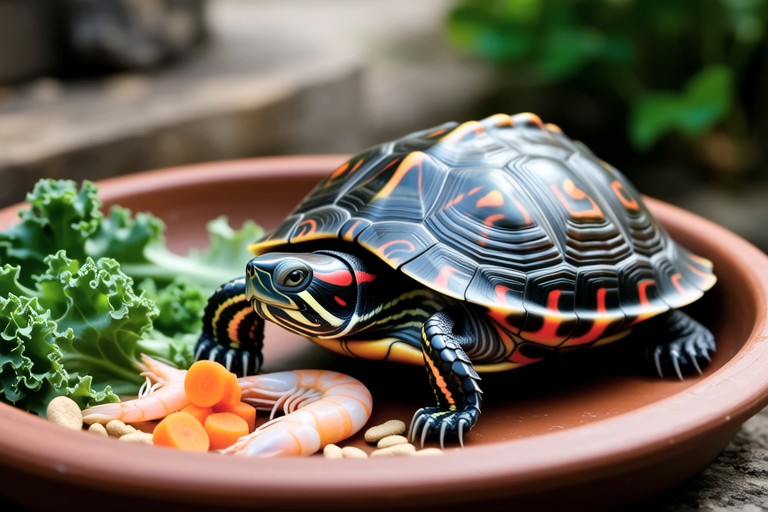
Red-eared Slider Diet: What They Eat and Why It Matters!
Introduction:
Red-eared sliders (Trachemys scripta elegans) are one of the most popular aquatic turtles kept as pets. Their popularity stems from their attractive appearance, relatively low maintenance, and the fact that they can live for several decades with proper care. One of the key aspects of caring for these turtles is providing them with a well-balanced diet. A proper diet is crucial for their overall health and longevity, ensuring they maintain strong shells, healthy bones, and vibrant skin. This article will explore the essential components of a red-eared slider’s diet, discuss the benefits and potential risks of different food types, and provide guidance on portion control and feeding frequency. We’ll also offer tips on how to prevent common health issues through a varied and nutritious diet.
The Importance of Proper Nutrition
Like all animals, red-eared sliders require a balanced diet to thrive. Their dietary needs include a variety of nutrients such as proteins, vitamins, minerals, and fats. An imbalanced diet can lead to various health problems, including malnutrition, weakened immune systems, and conditions like metabolic bone disease (MBD), which affects bone density and can cause deformities. Providing a diet rich in essential nutrients helps maintain their energy levels, supports growth, and enhances their resistance to diseases.
Essential Components of a Red-eared Slider’s Diet
Vegetables
Vegetables form a significant part of a red-eared slider’s diet. They provide essential vitamins and minerals, particularly vitamin A, vitamin C, and calcium. Some recommended vegetables include leafy greens like romaine lettuce, collard greens, and dandelion leaves. These greens are high in fiber and help promote good digestion.
Benefits: Vegetables contribute to overall health by supplying necessary vitamins and minerals.
Potential Risks: Overfeeding certain vegetables, especially those high in oxalates like spinach, can lead to nutrient imbalances. Excessive intake of iceberg lettuce can cause diarrhea due to its low nutritional value.
Fruits
Fruits can be offered occasionally as treats. They provide natural sugars and additional vitamins. Strawberries, blueberries, and melon are excellent choices. However, fruits should be given sparingly as they are high in sugar and can lead to obesity if overfed.
Benefits: Fruits add variety and provide natural sugars and vitamins.
Potential Risks: Excessive consumption can lead to obesity and other health issues related to high sugar intake.
Proteins
Protein is vital for muscle development and repair. Insects, earthworms, and small fish are suitable protein sources. Commercial turtle food often contains processed proteins like fish meal or shrimp. Feeding live insects and worms provides enrichment and mental stimulation.
Benefits: Protein supports muscle growth and repair, contributing to overall strength and vitality.
Potential Risks: Overfeeding protein-rich foods can lead to excessive weight gain and kidney strain.
Commercial Pellets
Commercial turtle pellets are formulated to meet the nutritional requirements of red-eared sliders. They are convenient and provide a balanced mix of proteins, vitamins, and minerals. Look for high-quality brands that contain calcium and vitamin D3 to support shell and bone health.
Benefits: Commercial pellets offer a complete and balanced diet, making it easier to meet the turtle’s nutritional needs.
Potential Risks: Poor quality pellets may lack essential nutrients, leading to deficiencies. Over-reliance on pellets without variety can result in monotonous eating habits.
Portion Control and Feeding Frequency
Understanding how much and how often to feed your red-eared slider is crucial. Young turtles should be fed daily, while adults can be fed every two to three days. The amount of food should be approximately equal to the size of the turtle’s head. Overfeeding can lead to obesity and digestive issues, while underfeeding can result in malnutrition.
It’s important to monitor your turtle’s weight and condition regularly. A healthy turtle should have a slight concavity at the bottom of the plastron (the lower shell). If this is not present, it could indicate either obesity or malnutrition.
Tips for Ensuring a Balanced Diet
Providing a varied diet is essential for preventing common health issues such as metabolic bone disease. Ensure that the diet includes a mix of vegetables, fruits, proteins, and commercial pellets. Rotate the types of vegetables and proteins to keep the diet interesting and stimulate natural foraging behaviors.
Supplementing the diet with calcium and vitamin D3 is often necessary, especially if the primary diet does not contain sufficient amounts. Calcium is vital for maintaining strong shells and bones, while vitamin D3 aids in calcium absorption. UVB lighting can help with vitamin D3 synthesis, but supplements are still recommended.
Hydration is also critical. Ensure that your turtle has access to clean water at all times. Many turtles will drink water directly from their tank, but some may need encouragement to drink.
Conclusion
A proper diet is fundamental to the health and longevity of red-eared sliders. By understanding their nutritional needs and providing a balanced diet, you can help your turtle thrive. Remember, variety is key to preventing health issues and ensuring a long, healthy life. Always consult with a veterinarian who specializes in reptiles for personalized advice and regular check-ups to monitor your turtle’s health.