
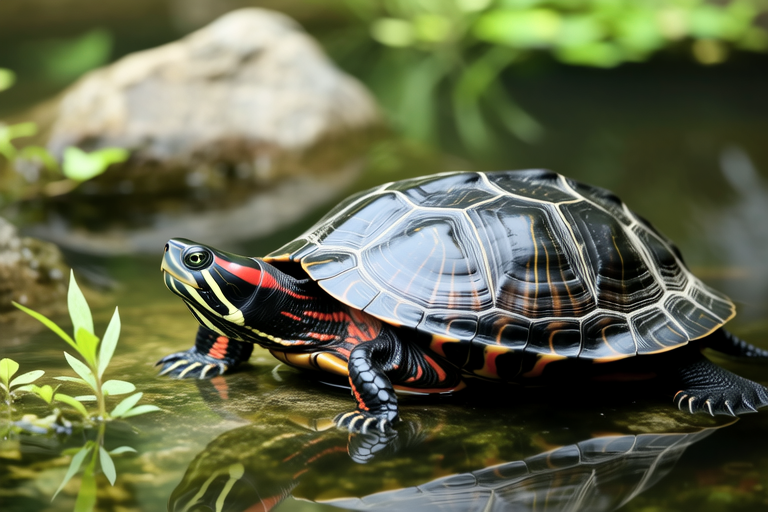
How to Care for Your Red-eared Slider Like a Pro!
Welcome to your ultimate guide on how to care for your red-eared slider turtle! Whether you’re a first-time owner or a seasoned enthusiast, this comprehensive guide will help you provide the best care for your pet. We’ll cover everything from setting up the perfect habitat to maintaining their health and avoiding common pitfalls.
Proper Housing Setup
The first step in caring for your red-eared slider is providing a suitable living environment. These turtles require both water and land areas to thrive. A good rule of thumb is to provide 10 gallons of water per inch of shell length. For example, a young slider with a 4-inch shell would need about 40 gallons of water.
The water area should be deep enough for the turtle to swim freely but shallow enough for them to easily reach the surface to breathe. Equip the tank with a strong filter to maintain water cleanliness and ensure adequate water flow. A UVB light is essential for calcium absorption and overall health. Make sure it covers at least half of the basking area.
The land area should have a dry spot for basking under the UVB light. Use a substrate that is easy to clean and won’t cause impaction if ingested, such as reptile-safe sand or large gravel pieces. Avoid small particles like sand or fine gravel, which can be ingested and lead to health issues.
Water Quality Maintenance
Maintaining high water quality is crucial for the health of your red-eared slider. Regularly check the water temperature, which should range between 75°F and 80°F (24°C to 27°C). Use a reliable aquarium heater to maintain these temperatures.
Adequate filtration is vital for removing waste and maintaining water clarity. Clean the filter regularly and perform partial water changes weekly. Test the water for ammonia, nitrite, and pH levels to ensure they remain within safe limits. High ammonia levels can be toxic to your turtle.
Encourage natural water movement by using air stones or powerheads. This helps oxygenate the water and keeps it fresh. Additionally, consider adding live aquatic plants to your turtle’s enclosure. They not only enhance the aesthetic appeal but also help keep the water clean by absorbing nutrients.
Diet Recommendations
Your red-eared slider’s diet should consist of a balanced mix of proteins, vegetables, and fruits. Commercial turtle pellets can form the base of their diet, providing essential nutrients. However, it’s important to supplement their diet with fresh foods.
Incorporate leafy greens such as romaine lettuce, dandelion greens, and mustard greens. Offer occasional treats like chopped fruits, earthworms, and crickets. Be cautious with iceberg lettuce, as it lacks nutritional value and can cause digestive issues.
Vary their diet to ensure they receive all necessary vitamins and minerals. Calcium is particularly important for shell growth and bone development. Provide calcium supplements or include calcium-rich foods like collard greens and turnip greens in their meals.
Health Monitoring
Regular health checks are vital for early detection of any potential issues. Look for signs of illness such as lethargy, loss of appetite, swollen eyes, or respiratory distress. Any changes in behavior or physical appearance should prompt immediate veterinary attention.
Monitor your turtle’s weight and shell condition regularly. A healthy slider will have a firm, symmetrical shell without any soft spots or deformities. Their skin should be smooth and free from sores or discoloration.
Establish a routine for cleaning and maintaining the enclosure to prevent the buildup of harmful bacteria. Clean the tank thoroughly every few months, replacing all substrate and thoroughly rinsing all accessories.
Common Pitfalls to Avoid
One common mistake among turtle owners is overcrowding. Too many turtles in one enclosure can lead to stress, competition for resources, and increased risk of disease transmission. Always follow the recommended guidelines for space and population density.
Another frequent error is neglecting the importance of UVB lighting. Without proper exposure to UVB light, your turtle may develop metabolic bone disease, leading to weakened bones and shells. Ensure the UVB light is positioned correctly and replaced according to the manufacturer’s instructions.
Feeding inappropriate foods is another pitfall to avoid. While red-eared sliders are omnivores, they should not be fed a diet high in processed foods or excessive amounts of meat. Stick to a balanced diet of commercial pellets, fresh vegetables, and occasional protein sources.
Lastly, improper handling can stress your turtle and potentially harm them. Always support their body when lifting them out of the water and avoid grabbing them by the limbs. Handle your turtle gently and infrequently to minimize stress.
Conclusion
Caring for a red-eared slider requires dedication and knowledge, but with the right information and resources, you can provide an excellent home for your turtle. By following the guidelines outlined in this guide, you’ll ensure your pet lives a long, healthy, and happy life. Remember, the key to successful turtle ownership lies in understanding their needs and meeting them consistently.