
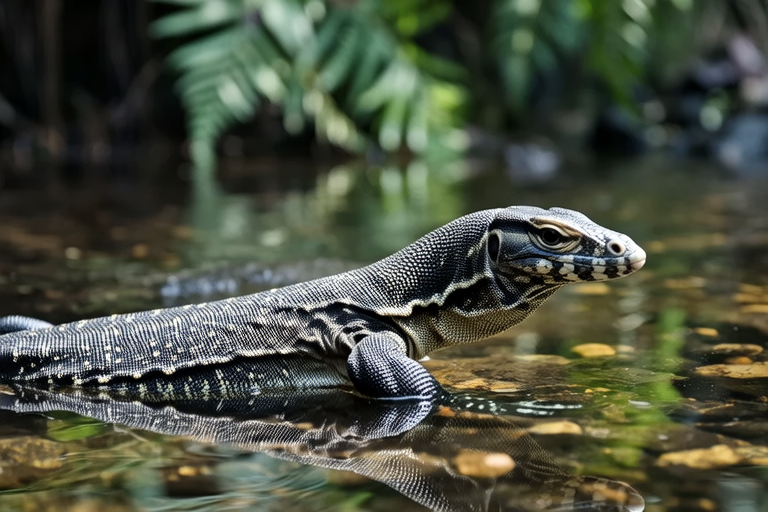
Aquatic Adventures: Life with a Water Monitor as Your Companion
Welcome to the fascinating world of aquatic adventures! If you’re considering adding a water monitor to your family, you’re in for a truly unique experience. These reptiles, native to Southeast Asia, are some of the most captivating creatures you’ll ever meet. Let’s dive into what makes them so special and explore the joys and challenges of life with a water monitor.
Introduction to Water Monitors
Water monitors (Varanus salvator) are large, semi-aquatic lizards known for their agility and intelligence. They can grow up to 7 feet in length and weigh over 50 pounds. Their sleek bodies are perfectly adapted for life near water, with long tails for swimming and sharp claws for climbing. These reptiles have excellent eyesight and hearing, allowing them to detect prey from a distance. They are omnivorous, feeding on a variety of foods including insects, small mammals, fish, and fruits.
One of the most striking features of water monitors is their ability to communicate through body language. From tail flicks to head bobs, these lizards have a rich repertoire of gestures that can tell you a lot about their mood. This makes them incredibly engaging pets, always ready to interact and play.
The Responsibilities of Owning a Water Monitor
Owning a water monitor comes with significant responsibilities. These animals require a dedicated habitat, proper diet, and regular health care. Let’s break down each of these essential aspects.
Habitat Setup
Creating a suitable environment for your water monitor is crucial. They need a spacious enclosure that allows for both land and water areas. The land area should be covered with substrate like coconut fiber or bark, while the water area should be deep enough for swimming. Water monitors are excellent climbers, so providing branches, rocks, and other structures will enrich their environment.
Temperature and humidity control are also important. Water monitors thrive in temperatures ranging from 85 to 95 degrees Fahrenheit during the day, dropping slightly at night. Humidity levels should be maintained around 60-80%. A UVB light source is necessary for their health, ensuring they can synthesize vitamin D3.
Dietary Needs
Feeding a water monitor requires careful consideration. They are omnivores, but their diet should primarily consist of protein sources like rodents, insects, and fish. Fruits and vegetables can be offered occasionally. It’s important to ensure all food items are appropriately sized to prevent choking hazards. Feeding them live prey can be risky, so it’s advisable to use pre-killed or frozen-thawed options.
Proper nutrition is vital for their growth and overall health. Regularly consulting with a veterinarian specializing in reptiles can help you tailor a diet that meets your monitor’s specific needs.
Health Care
Regular veterinary check-ups are essential for maintaining your water monitor’s health. Look for signs of illness such as lethargy, loss of appetite, or unusual behavior. Common issues include respiratory infections, parasites, and metabolic bone disease, which can be prevented with proper care and nutrition.
Vaccinations are generally not required for reptiles, but your vet may recommend certain treatments based on your location and the specific needs of your pet. Always keep a first aid kit on hand and know basic emergency procedures.
Personal Anecdotes and Experiences
My first encounter with a water monitor was nothing short of awe-inspiring. I remember the sheer size and grace of the animal, its movements fluid and purposeful. Over time, I’ve come to appreciate the intelligence and curiosity of my monitor. We’ve developed a routine where he knows when it’s feeding time and often seeks me out for attention.
One memorable moment involved teaching him to swim in a kiddie pool. Initially, he was cautious, but with gentle encouragement, he began to enjoy the water. Watching him glide effortlessly across the surface is a sight I never tire of. These moments of connection make the responsibility worthwhile.
The Bond Between Owner and Pet
The relationship between you and your water monitor can be incredibly rewarding. While they are wild animals at heart, many become quite affectionate towards their caretakers. They respond well to consistent handling and can learn to recognize familiar faces.
Building trust takes time and patience. Start by offering treats and gradually increase the duration of interactions. With consistency, you’ll find your monitor becoming more comfortable and even seeking out your company. This bond is unique and deeply fulfilling, making every challenge worth it.
Advice for Potential Owners
If you’re thinking about getting a water monitor, here are some key points to consider:
- Research thoroughly: Understand the commitment and costs involved before making a decision.
- Prepare adequately: Set up the appropriate habitat and gather necessary supplies before bringing your new pet home.
- Seek expert advice: Consult with veterinarians and experienced owners to learn best practices.
- Be patient: Building a strong bond takes time and effort.
Resources for Further Learning
To deepen your knowledge about water monitors, consider reading books and articles on reptile care. Joining online forums and local reptile clubs can also provide valuable insights and support. Always stay informed about the latest research and recommendations in reptile husbandry.
Books such as “The Essential Guide to Reptile Care” by Philippe de Vosjoli and “Reptiles & Amphibians: The Animal Answer Guide” by David M. Sever offer comprehensive information on reptile care. Online platforms like Reddit’s r/reptiles and specialized forums can connect you with fellow enthusiasts.
Conclusion
Life with a water monitor is an adventure filled with discovery and companionship. These remarkable creatures bring a unique dimension to pet ownership, requiring dedication and care but offering immense rewards in return. By understanding their needs and building a trusting relationship, you can enjoy years of memorable experiences with your aquatic companion.