
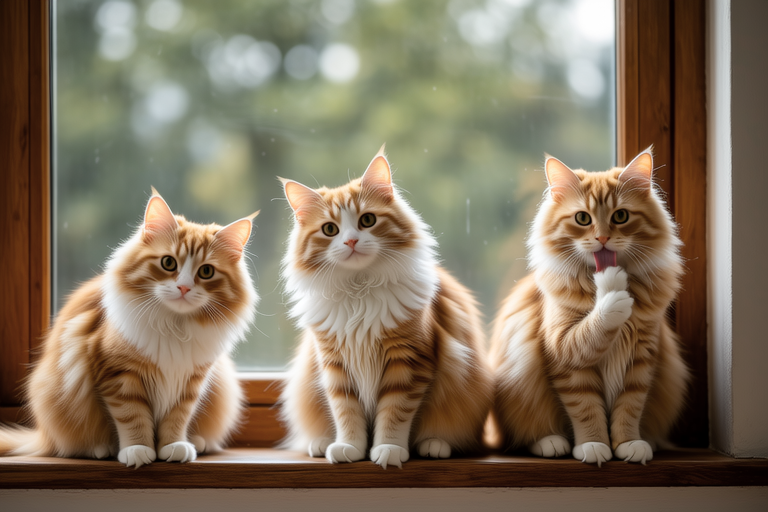
Adorable Orange Cats: Unveiling Their Unique Personalities
Welcome to a delightful journey into the world of orange cats! These captivating creatures have long been cherished for their striking appearance and charming personalities. With their vibrant coats and playful natures, orange cats have captured the hearts of countless pet owners. In this article, we will explore the allure of orange cats, delve into the genetics behind their unique fur color, and uncover the distinct personalities that make them such beloved pets.
The Appeal of Orange Cats
Orange cats, often referred to as ginger or marmalade cats, have a special place in the hearts of many cat enthusiasts. Their warm, sunny hues bring a touch of joy and warmth to any home. The color ranges from light, almost blonde shades to deep, rich reds, making each orange cat truly one-of-a-kind. Beyond their eye-catching appearance, these felines are known for their friendly dispositions and engaging personalities, which make them excellent companions for families and individuals alike.
Common Traits and Why They Stand Out
Orange cats are not just admired for their looks; they possess a range of endearing traits that set them apart from other feline breeds. One of the most notable characteristics of orange cats is their sociability. Unlike some breeds that may be more reserved, orange cats tend to be outgoing and enjoy human interaction. They often seek attention, curling up on laps or following their owners around the house. This affectionate nature makes them particularly popular among those who want a cat that is both loving and interactive.
In addition to their social tendencies, orange cats are also recognized for their intelligence. They are quick learners and can be trained to perform simple tricks or respond to commands. Their curiosity and problem-solving abilities often lead to amusing moments, as they investigate every nook and cranny of their environment. This combination of smarts and playfulness ensures that life with an orange cat is never dull.
The Genetic Factors Behind Their Distinctive Orange Coat
The vibrant orange coats of these cats are the result of specific genetic factors. The gene responsible for producing orange fur is called the O gene, which is linked to the X chromosome. This means that male cats, who have only one X chromosome, are more likely to be orange if they inherit the O gene from their mother. Female cats, however, need to inherit two copies of the O gene (one from each parent) to be orange. If a female inherits only one O gene, she will typically have a tortoiseshell pattern, which includes patches of orange along with other colors like black or white.
Interestingly, the O gene does not affect the production of melanin, the pigment responsible for darker colors in animals. Instead, it influences the expression of other pigments, resulting in the characteristic orange hue. This genetic quirk not only explains the prevalence of orange cats but also highlights the fascinating complexity of feline genetics.
Unique Personalities: Social Behavior and Intelligence
Orange cats are renowned for their social behavior, which often extends beyond mere affection. They are highly communicative, using a variety of vocalizations to express themselves. Many orange cats are known for their “chirping” or “trilling,” a soft, melodic sound that they use when greeting their owners or seeking attention. This vocalization is a clear indication of their desire for interaction and companionship.
One study conducted at the University of California, Davis, explored the communication styles of different cat breeds. The researchers found that orange cats were among the chattiest, frequently engaging in conversations with their human companions. This tendency to communicate openly contributes to the strong bonds that form between orange cats and their owners.
Another aspect of orange cats’ personalities is their adaptability. They tend to thrive in various living situations, whether in bustling households or quieter environments. Their ability to adjust to new surroundings and people makes them ideal candidates for adoption in shelters or rescue centers. This flexibility, combined with their affectionate nature, has led many to adopt orange cats as therapy animals, providing comfort and support to those in need.
Anecdotes and Studies Highlighting Their Characteristics
Stories abound of orange cats stepping up to provide emotional support to their owners. One heartwarming tale involves a family who adopted an orange kitten named Charlie. The child in the family was going through a difficult time due to anxiety and depression. Charlie’s constant presence and gentle demeanor provided a calming influence, helping the child feel more secure and supported. The family credits Charlie with playing a significant role in the child’s emotional recovery.
Scientific research has also shed light on the unique traits of orange cats. A study published in the Journal of Feline Medicine and Surgery examined the health outcomes of orange cats compared to other breeds. The results indicated that orange cats generally have a longer lifespan and are less prone to certain hereditary conditions. This suggests that, in addition to their appealing personalities, orange cats may offer health benefits to their owners.
Tips for Potential Owners
If you’re considering adding an orange cat to your family, there are several steps you can take to ensure a rewarding experience. First, it’s important to provide a safe and stimulating environment. Orange cats, like all cats, benefit from having plenty of space to explore and play. Interactive toys and scratching posts can help keep them engaged and prevent destructive behaviors.
Regular grooming is another essential aspect of caring for an orange cat. Their coats, while generally short and easy to maintain, still require occasional brushing to remove loose hair and distribute natural oils. This routine not only keeps their fur healthy but also strengthens the bond between owner and cat.
Lastly, spending quality time with your orange cat is crucial. Whether it’s cuddling on the couch, playing with toys, or simply enjoying quiet moments together, these interactions foster a deeper connection. By investing in their well-being and companionship, you’ll be rewarded with years of loyal and loving companionship.
Conclusion
Orange cats are truly special creatures, combining stunning appearances with unique personalities that make them cherished members of many households. From their striking orange coats to their friendly and intelligent dispositions, these cats offer a wealth of joy and companionship. By understanding the genetic factors behind their distinctive coloring and the traits that define their personalities, we can better appreciate the wonderful qualities of orange cats. As you consider welcoming an orange cat into your life, remember the rewarding aspects of their companionship and the lasting impact they can have on your home. With proper care and attention, an orange cat can become an invaluable source of love and laughter, enriching your life in ways you may not have imagined.