
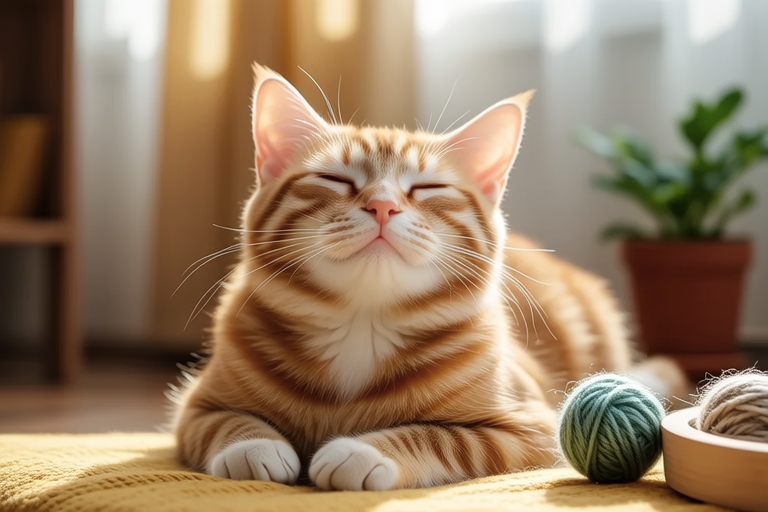
The Cozy Life of an Orange Cat: Why These Felines Are Everyone’s Favorite
Orange cats have long been cherished as some of the most beloved and charismatic companions in the world of pet ownership. Their striking appearance, combined with their often sunny dispositions, makes them stand out from other feline breeds. Whether lounging in a sunbeam or playing with a toy mouse, these cats bring warmth and joy to any home. This article delves into the unique attributes that make orange cats so special, exploring their physical characteristics, personality traits, genetic makeup, and the benefits of having one as a pet.
The Charm and Popularity of Orange Cats
Orange cats, often referred to as ginger or marmalade cats, are easily recognizable due to their bright, fiery coats. The color ranges from a light cream to a deep, rich red, sometimes even bordering on black. Their eyes can be a variety of colors, but green or gold are most common, adding to their striking appearance. These felines are popular not just because of their looks but also due to their friendly and playful nature. They are known for being affectionate, curious, and sociable, traits that endear them to both families and individuals alike.
Physical Characteristics and Common Personalities
Physically, orange cats tend to be medium-sized, though they can vary in size depending on breed and individual genetics. Their muscular build and agile movements reflect their active and playful personalities. Many owners describe their orange cats as being incredibly social and interactive, often seeking attention and affection from their human family members. They are known to be great communicators, using a range of vocalizations to express themselves, from soft purrs to chirps and meows.
The History and Genetics Behind Their Orange Coats
The orange coat in cats is primarily determined by a gene called the O gene, which is responsible for producing red pigmentation in fur. This gene is sex-linked, meaning it is carried on the X chromosome. As a result, male cats (which have one X and one Y chromosome) are more likely to display the orange coloration, while female cats (which have two X chromosomes) can either be orange or tortoiseshell if they inherit different versions of the O gene. The prevalence of orange cats throughout history has been noted in various cultures, often symbolizing good fortune and protection.
Anecdotes and Studies About Therapeutic Effects
Research has shown that interacting with pets, particularly cats, can have significant therapeutic benefits. Orange cats, in particular, have been found to reduce stress levels and promote emotional well-being. A study conducted at the University of Minnesota found that people who owned orange cats reported lower levels of anxiety and higher overall life satisfaction. These findings align with the anecdotal evidence from pet owners who have experienced the calming presence of their orange companions. Many people find that simply watching their orange cat nap or play can help them unwind after a stressful day.
Typical Behaviors, Habitats, and Preferences
In a domestic setting, orange cats are known for their adaptability. They thrive in environments where they can explore and engage with their surroundings. Providing them with climbing structures, scratching posts, and interactive toys can keep them entertained and mentally stimulated. Orange cats are often found lounging in sunny spots, enjoying the warmth and comfort of natural light. They are also known for their love of napping, often curling up in cozy nooks or snuggling with their owners.
Caring for an Orange Cat
Proper care for an orange cat involves regular grooming to maintain their shiny coats and prevent matting. A balanced diet rich in essential nutrients is crucial for their health and vitality. Regular veterinary check-ups ensure that any potential health issues are addressed promptly. Orange cats, like all cats, require mental and physical stimulation, so providing them with puzzles, toys, and opportunities for play is important. Additionally, creating a safe and comfortable living space that includes hiding spots and resting areas can enhance their well-being.
Why Orange Cats Make Ideal Pets for Various Lifestyles
Orange cats are versatile and can fit into a wide range of lifestyles. Their affectionate nature makes them excellent companions for families with children, as they tend to be patient and gentle. For busy professionals, their independent streak allows them to enjoy periods of solitude while still seeking affection when needed. Retirees often find solace in the company of an orange cat, as these pets provide constant companionship and entertainment. Regardless of lifestyle, orange cats offer a unique blend of companionship, charm, and adaptability that can enrich any household.
Conclusion
The cozy life of an orange cat is a testament to the joy and comfort that these felines bring to our lives. From their striking appearance to their lovable personalities, orange cats have captured the hearts of many. Understanding their genetic background, typical behaviors, and care needs can help ensure a harmonious and fulfilling relationship between owner and pet. Whether you’re a seasoned cat lover or considering adopting your first feline friend, an orange cat could be the perfect addition to your home. Embrace the warmth and companionship of an orange cat, and experience the delightful life they offer.