
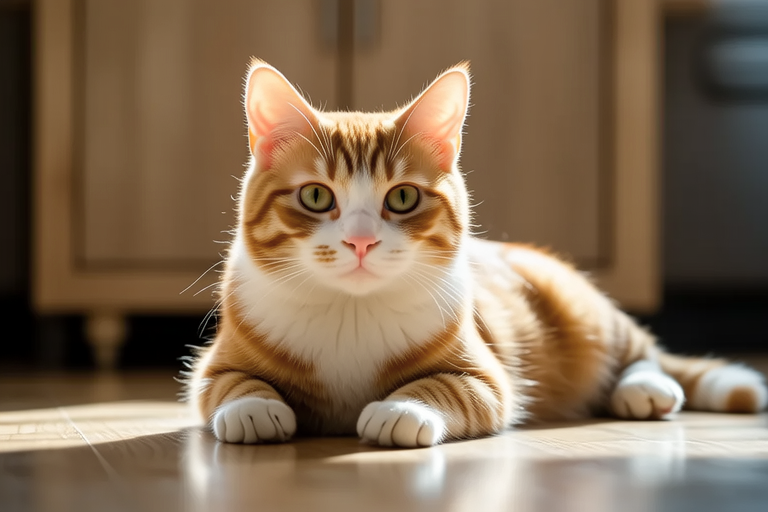
How to Care for Your Orange Cat Like a Pro
Orange cats, with their vibrant coats and playful personalities, are beloved companions. Caring for them requires understanding their specific dietary needs, grooming routines, health concerns, exercise requirements, behavior management, and environmental enrichment. This guide offers comprehensive advice to help both novice and seasoned cat owners provide optimal care.
Diet Tailored for Orange Cats
Feeding your orange cat appropriately is crucial for their overall health. These felines tend to be more prone to obesity due to their genetic predisposition. Therefore, a balanced diet rich in protein and low in carbohydrates is essential. Opt for high-quality cat food that lists meat as the primary ingredient, avoiding fillers like corn or wheat. Omega-3 fatty acids, found in fish oil, promote healthy skin and fur, reducing the risk of dryness and flakiness common in orange cats.
Water intake is also vital. Ensure fresh water is always available. Wet food can supplement dry food, adding moisture and increasing hydration. Consult your veterinarian about appropriate portion sizes based on age, weight, and activity level to prevent overfeeding.
Grooming Specifics
Orange cats have short, dense fur that can easily mat if not properly maintained. Regular brushing helps distribute natural oils throughout the coat, keeping it shiny and healthy. Use a soft-bristled brush or a rubber glove to gently remove loose hair and dirt. Brush at least once a week, paying special attention behind the ears and under the chin where mats often form.
Bathing your orange cat is generally unnecessary unless they get particularly dirty. Over-bathing can strip their coat of natural oils, leading to dry skin. If bathing is necessary, use a gentle, pH-balanced cat shampoo and rinse thoroughly. Dry your cat completely with a towel or hair dryer set on low heat. Trim nails regularly to avoid discomfort and injury.
Health Considerations Unique to Their Coat and Skin
Orange cats may experience alopecia (hair loss) or hyperpigmentation, especially as they age. While these conditions are not typically harmful, they can indicate underlying health issues. Regular veterinary check-ups are crucial for early detection and treatment.
Maintaining oral hygiene is equally important. Tartar buildup can lead to gum disease, affecting overall health. Provide dental treats or toys designed to reduce plaque and tartar. Brush your cat’s teeth with pet-safe toothpaste if possible. Monitor for signs of dental pain such as pawing at the mouth or difficulty eating.
Exercise Needs
Physical activity keeps your orange cat fit and mentally stimulated. Interactive toys like feather wands or laser pointers encourage playtime. Climbing structures and scratching posts offer opportunities for exercise while satisfying natural instincts. Rotate toys to maintain interest and challenge.
Play sessions should last about 10-15 minutes twice daily. Incorporate fetch games using lightweight balls or soft toys. Encourage your cat to chase and pounce, mimicking hunting behaviors. Exercise promotes muscle tone, aids digestion, and reduces stress.
Behavioral Tips
Orange cats are known for their affectionate nature but can also be independent. Establish a routine that includes feeding times, play sessions, and quiet moments. Consistency helps them feel secure. Positive reinforcement through treats and praise encourages good behavior.
Training your orange cat can be rewarding. Teach basic commands using clicker training or hand signals. Reward desired behaviors immediately with a small treat. Avoid punishment, which can lead to fear and aggression. Redirect unwanted behaviors by offering an alternative activity or toy.
Creating a Stimulating Environment
A well-designed home environment enhances your orange cat’s quality of life. Provide vertical spaces for climbing and perching. Window seats or cat trees with multiple levels allow them to observe their surroundings from different angles. Ensure safe access to outdoor areas if you have a garden or balcony.
Interactive feeders stimulate mental engagement. Puzzle toys dispense treats when manipulated, encouraging problem-solving skills. Rotate toys periodically to keep things interesting. Hide treats around the house to encourage exploration and hunting instincts.
Orange cats thrive on social interaction. Spend quality time each day playing, cuddling, or simply sitting together. They enjoy company but also value alone time. Respect their boundaries and provide a quiet space for relaxation.
Conclusion
Caring for an orange cat involves attentive consideration of their dietary, grooming, health, exercise, behavioral, and environmental needs. By providing a balanced diet, regular grooming, proper healthcare, sufficient exercise, positive reinforcement, and a stimulating environment, you ensure your orange cat lives a happy, healthy life. Remember, every cat is unique, so tailor your approach to suit your individual pet’s preferences and requirements.