
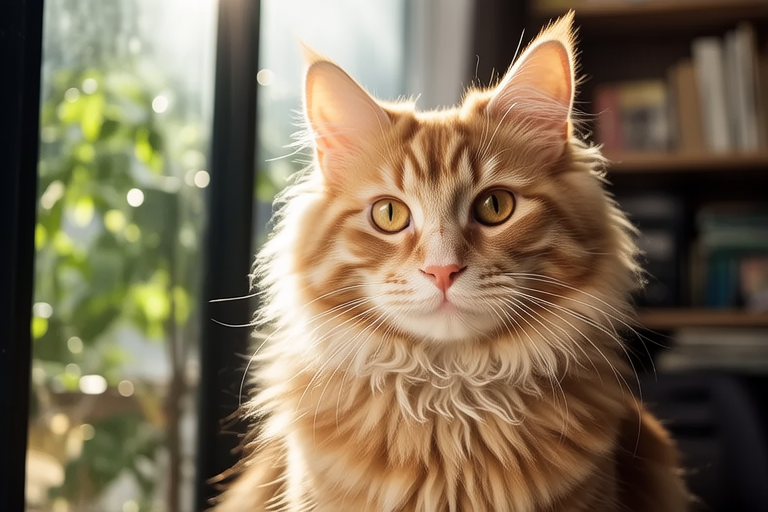
The Unique World of Orange Felines: Adorable and Astonishing Traits
Orange cats, often referred to as ginger or marmalade cats, are among the most recognizable and beloved feline breeds. Their striking coat colors range from a warm, rich orange to a lighter, almost golden hue, making them stand out in any setting. These charming creatures have captivated the hearts of many cat lovers and potential owners, and this article aims to explore their unique characteristics, lesser-known traits, and the reasons behind their popularity.
Behavioral Quirks
Orange cats are known for their playful and curious nature. They tend to be more active during the day, often engaging in various activities that keep them entertained. Many orange cats enjoy climbing and exploring, which can lead to some amusing moments for their owners. One such anecdote involves a ginger cat named Whiskers who would jump onto the kitchen counter every time his owner prepared food, hoping for a taste of whatever was being cooked.
These cats are also known for their vocal tendencies. They are often more talkative than other breeds, expressing their needs and desires through meows and purrs. Some owners find it endearing, while others might find it challenging to ignore their persistent requests for attention. One study conducted by researchers at the University of Lincoln found that orange cats were more likely to engage in vocal communication with their owners, possibly due to their sociable nature.
Historical Significance
Throughout history, orange cats have held significant cultural and symbolic importance. In ancient Egypt, cats were revered as sacred animals, and orange cats, in particular, were believed to bring good fortune and protect against evil spirits. This belief persisted into medieval times, where orange cats were considered lucky and were often kept around homes and farms to ward off misfortune.
In literature, orange cats have been featured in numerous stories and poems, often symbolizing warmth, playfulness, and companionship. One famous example is Cheshire Cat from Lewis Carroll’s “Alice’s Adventures in Wonderland,” a mischievous and enigmatic character that has captured the imaginations of readers worldwide. The Cheshire Cat’s iconic grin and mysterious behavior have contributed to the enduring popularity of orange cats in popular culture.
Genetic Factors Contributing to Coat Color
The unique orange coloration of these cats is primarily due to a genetic mutation that affects the production of melanin, the pigment responsible for skin and hair color. This mutation leads to the production of a specific type of melanin called pheomelanin, which gives the fur its distinctive orange hue. Interestingly, the gene responsible for this mutation is located on the X chromosome, making orange cats more common in females than males.
Male orange cats are typically solid orange, while female orange cats can have varying patterns, including calico and tortoiseshell. This genetic factor explains why orange cats are often associated with certain breeds, such as the American Shorthair and the British Shorthair, but can also appear in mixed-breed populations.
Myths and Facts Surrounding Orange Cats
One of the most widespread myths about orange cats is that they are more aggressive than other breeds. However, this belief is largely unfounded. While individual temperaments can vary, there is no scientific evidence to support the notion that orange cats are inherently more aggressive. In fact, many orange cats are known for their gentle and affectionate nature, making them excellent companions for families and individuals alike.
Another myth is that all orange cats are male. As mentioned earlier, the genetics behind their coat color means that both male and female cats can be orange, though males are more likely to be solid orange. This misconception may stem from the fact that male orange cats are more commonly seen in shelters and rescues, leading some people to believe that they are more prevalent overall.
Personality Traits
Orange cats are often described as social and friendly, enjoying the company of both humans and other animals. They tend to form strong bonds with their owners and are known for their loyalty and affection. Many orange cats enjoy being petted and will often seek out physical contact, making them ideal companions for those who value close relationships with their pets.
Despite their generally friendly nature, orange cats can also be independent and self-reliant. They may not always require constant attention and can entertain themselves when necessary. This combination of sociability and independence makes them adaptable to various living situations, whether it’s a bustling household or a quiet apartment.
Health Predispositions
While orange cats are generally healthy, they may be more prone to certain conditions compared to other breeds. One of the most notable is hypertrophic cardiomyopathy (HCM), a heart condition that can affect cats of all ages. Early detection and treatment are crucial for managing HCM, and regular veterinary check-ups are recommended for all orange cats, especially those over five years old.
Obesity is another concern for orange cats, particularly if they are allowed to become sedentary or overfed. Maintaining a healthy weight through proper diet and exercise can help prevent obesity-related issues such as diabetes and joint problems. Regular play sessions and interactive toys can encourage physical activity and promote a healthy lifestyle.
Interaction with Humans and Other Pets
Orange cats are known for their ability to form strong bonds with their human companions. They often exhibit behaviors that demonstrate their affection, such as following their owners around the house or greeting them at the door upon return. Many orange cats are also skilled at reading their owners’ emotions and providing comfort during times of stress or sadness.
When it comes to interacting with other pets, orange cats can be quite social, depending on their individual temperament. Some orange cats thrive in multi-pet households, forming friendships with dogs, other cats, and even small animals like birds or rabbits. However, introductions should always be done gradually and under supervision to ensure a positive experience for all parties involved.
Conclusion
Orange cats, with their striking coat colors and unique personalities, continue to captivate the hearts of cat lovers and potential owners alike. From their playful and curious nature to their historical significance and genetic factors, these felines offer a wealth of charm and wonder. By understanding their behavioral quirks, health predispositions, and interactions with humans and other pets, we can better appreciate the special qualities that make orange cats truly adorable and astonishing.