
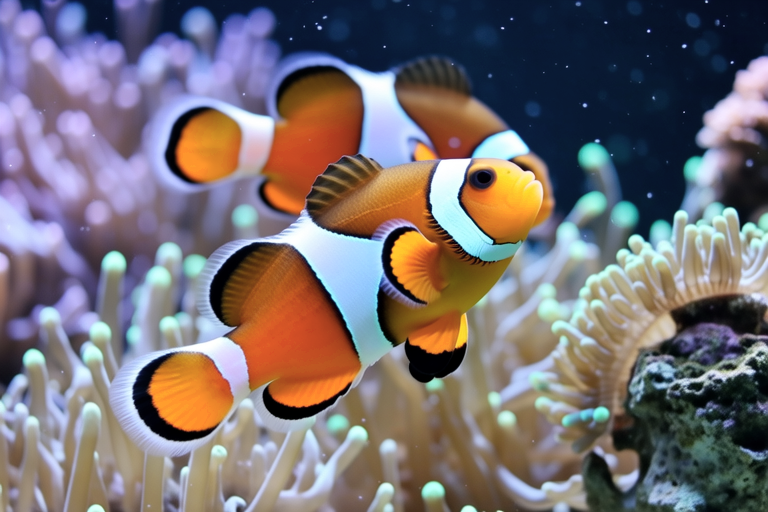
Setting Up the Perfect Tank for Your Clownfish Pet
Clownfish are among the most popular saltwater aquarium fish due to their vibrant colors and relatively easy care. However, setting up an optimal environment for your clownfish requires careful planning and attention to detail. This guide will walk you through the steps to create a perfect tank for your clownfish pet, covering everything from tank setup to regular maintenance.
Essential Tank Setup Tips
Before diving into the specifics of tank setup, it’s crucial to understand the basics. A well-planned tank layout ensures that your clownfish feels secure and comfortable. Start by choosing a tank with ample swimming space and a good filtration system. Place the heater near the filter outlet to prevent hotspots. Use a high-quality substrate that mimics the natural environment of the clownfish, such as live sand or aragonite.
Suitable Tank Size
For a single clownfish, a tank of at least 30 gallons is recommended. If you plan to keep multiple clownfish or add other species, consider a larger tank, preferably around 55 gallons or more. The additional space provides better water quality and reduces stress on the fish.
Water Parameters
Maintaining proper water conditions is vital for the health of your clownfish. Aim for a pH level between 8.1 and 8.4, specific gravity of 1.020 to 1.025, and temperature between 76°F and 82°F. Regular testing and adjustments are necessary to ensure these parameters remain stable.
Filtration System Recommendations
A reliable filtration system is key to maintaining clean and healthy water. Choose a filter that can handle at least four to six times the volume of your tank per hour. Protein skimmers are also beneficial for removing organic waste and improving water clarity.
Lighting Requirements
Clownfish require adequate lighting to thrive. A full-spectrum LED light that simulates natural sunlight is ideal. Ensure the light cycle is consistent, typically 10 to 12 hours of light followed by darkness. Avoid excessive lighting, which can lead to algae growth.
Necessary Decorations and Hiding Spots
Incorporate various decorations and hiding spots to mimic the clownfish’s natural habitat. Anemones provide excellent hiding spots and are particularly beneficial if you want to replicate the relationship between clownfish and anemones found in the wild. Other options include live rocks, caves, and PVC pipes.
Live Rock and Sand Benefits
Adding live rock and sand enhances the tank’s biological filtration and creates a more natural environment. Live rock houses beneficial bacteria that help break down waste, while live sand supports a thriving ecosystem of microorganisms. Both elements contribute to a stable and healthy aquarium.
Compatible Tank Mates
Choose tank mates carefully to avoid aggression or competition for resources. Suitable companions for clownfish include peaceful species like gobies, blennies, and small wrasses. Avoid aggressive or territorial fish that may bully your clownfish.
Regular Maintenance Schedule
Consistent maintenance keeps your tank healthy and your clownfish happy. Perform partial water changes every two weeks, cleaning the filter and checking equipment regularly. Monitor water parameters weekly and address any issues promptly.
Common Mistakes to Avoid
- Overstocking: Too many fish can lead to poor water quality and increased stress.
- Improper Feeding: Overfeeding causes excess waste and can harm water quality. Feed your clownfish small amounts several times a day.
- Ignoring Water Changes: Regular water changes are essential for maintaining water quality.
- Using Tap Water: Tap water often contains harmful chemicals. Always use a dechlorinator when adding new water.
Conclusion
Setting up the perfect tank for your clownfish requires careful planning and attention to detail. By following this comprehensive guide, you’ll be able to create a healthy and thriving environment for your pet clownfish. Remember, a well-maintained tank leads to happier and healthier fish. Happy fishkeeping!