
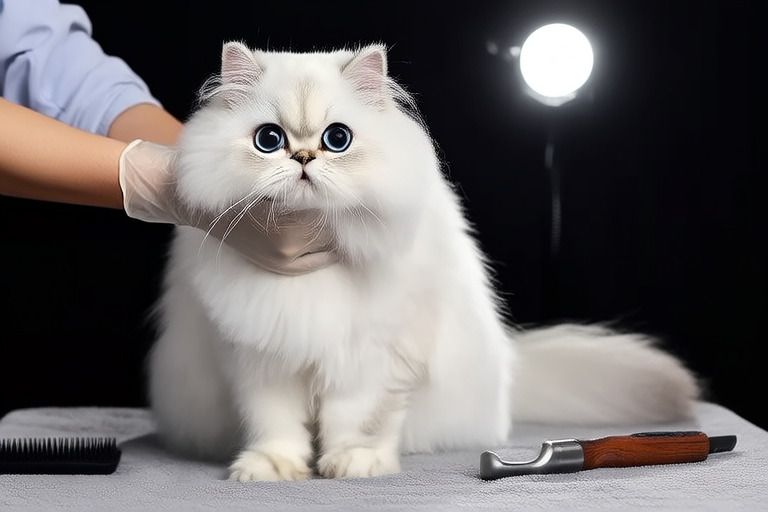
Ultimate Guide to Grooming Your Persian Cat Like a Pro
As a Persian cat owner, you know that these beautiful creatures require special attention when it comes to grooming. Their long, luxurious coats demand regular maintenance to keep them healthy and looking their best. This comprehensive guide will walk you through every step of the grooming process, from understanding your cat’s unique coat to providing thorough nail care and dental hygiene.
Understanding the Unique Coat of Persian Cats
Persian cats are famous for their dense, long, and silky coats. This fur can come in a variety of colors and patterns, but all Persians share a double coat that consists of an undercoat and an outer coat. The undercoat is shorter and denser, while the outer coat is longer and more visible. Due to this structure, Persian cats are prone to matting and tangling, especially around the neck, chest, and tail areas.
It’s important to understand that grooming is not just about keeping your cat clean; it also plays a crucial role in maintaining their overall health. Regular grooming helps prevent skin problems, reduces shedding, and keeps your cat’s coat shiny and healthy.
Essential Grooming Tools
To effectively groom your Persian cat, you’ll need a set of specialized tools. Here are some of the most important ones:
- Wide-toothed comb: Ideal for detangling the outer coat without pulling on the undercoat.
- Nylon-bristle brush: Helps remove loose hair and distribute natural oils throughout the coat.
- Pin brush: Useful for smoothing out tangles and giving the coat a sleek finish.
- Mat splitter: A must-have for separating and removing knots without causing pain or discomfort.
- Scissors: For trimming any overgrown fur, especially around the eyes and paws.
- Deshedding tool: Removes dead hair and prevents mats from forming.
- Bath supplies: Shampoo, conditioner, towels, and a blow dryer (set on cool air).
- Ear cleaner and cotton balls: For cleaning inside the ears.
- Nail clippers: To trim nails safely.
- Teeth-cleaning kit: Brush and toothpaste specifically designed for cats.
Daily Brushing Techniques
Daily brushing is essential for maintaining a Persian cat’s coat. It helps prevent matting, stimulates blood circulation, and strengthens the bond between you and your cat. Here’s how to do it:
- Start by gently combing through the outer coat with a wide-toothed comb to remove any tangles.
- Next, use a nylon-bristle brush to distribute natural oils and remove loose hair.
- Use a pin brush to smooth out the coat and give it a sleek appearance.
- Pay extra attention to areas where mats commonly form, such as behind the ears, under the legs, and around the tail.
- Finally, use a deshedding tool to remove any remaining loose hair and prevent mats from forming.
Remember to be gentle and patient, especially if your cat is not used to being brushed. Start with short sessions and gradually increase the time as your cat becomes more comfortable.
Bathing Instructions
Bathing a Persian cat may seem daunting, but with the right approach, it can be a smooth process. Here’s a step-by-step guide:
- Prepare the area: Fill a sink or bathtub with warm water, ensuring it’s not too deep. Place a non-slip mat at the bottom for safety.
- Brush your cat: Before bathing, thoroughly brush your cat to remove any loose hair and tangles.
- Apply shampoo: Use a cat-specific shampoo, massaging it into your cat’s fur. Avoid getting shampoo in their eyes, ears, or mouth.
- Rinse thoroughly: Rinse your cat with warm water, making sure to remove all traces of shampoo.
- Blow dry: Use a blow dryer set on cool air to dry your cat. Keep the dryer at a safe distance to avoid burning your cat’s skin.
- Final brush: After drying, give your cat a final brush to smooth out any tangles.
It’s important to note that Persian cats should only be bathed when necessary, as frequent bathing can strip their coat of its natural oils. Consult your veterinarian if you’re unsure about the frequency of baths for your cat.
Nail Care
Trimming your Persian cat’s nails is crucial for their comfort and hygiene. Overgrown nails can cause discomfort and even lead to infections. Here’s how to trim your cat’s nails:
- Gather supplies: Have nail clippers, styptic powder (to stop bleeding if needed), treats, and a towel ready.
- Position your cat: Hold your cat securely but gently, placing them on your lap or a stable surface.
- Inspect the nails: Look for the quick, which is the pink part inside the nail. Be careful not to cut this area, as it contains blood vessels and nerves.
- Trim carefully: Using the nail clippers, trim the tip of each nail. Only remove a small amount at a time.
- Offer treats: Reward your cat with treats after each successful nail trim to reinforce positive behavior.
If your cat is particularly anxious about nail trimming, consider having a professional groomer or veterinarian assist you.
Ear Cleaning
Clean ears regularly to prevent infections and maintain good hygiene. Follow these steps:
- Inspect the ears: Check for signs of redness, swelling, or discharge. If you notice anything unusual, consult your veterinarian.
- Prepare the solution: Mix a cat-safe ear cleaner with warm water according to the product instructions.
- Clean gently: Using a cotton ball, apply the solution to the outer part of the ear canal. Gently massage the base of the ear to work the solution deeper into the ear canal.
- Wipe away debris: Use a clean cotton ball to wipe away any dirt or debris from the outer ear.
- Avoid the ear canal: Do not insert anything into the ear canal, as this can damage the eardrum.
Regular ear cleaning can help prevent ear mites and other issues, but always be gentle to avoid discomfort.
Dental Hygiene
Good dental hygiene is vital for your Persian cat’s overall health. Plaque and tartar buildup can lead to gum disease and other serious health issues. Here’s how to keep your cat’s teeth clean:
- Brush regularly: Use a cat-specific toothbrush and toothpaste to brush your cat’s teeth daily, if possible.
- Introduce gradually: If your cat is not used to having their teeth brushed, start by letting them lick the toothpaste off your finger.
- Use treats: Offer dental treats or chews designed to reduce plaque and tartar buildup.
- Professional cleaning: Schedule regular dental check-ups with your veterinarian to ensure your cat’s teeth remain healthy.
Maintaining proper dental hygiene can significantly extend your cat’s lifespan and improve their quality of life.
Tips for Handling and Soothing Your Cat During Grooming Sessions
Grooming can be stressful for both you and your cat, so it’s important to make the experience as pleasant as possible. Here are some tips:
- Create a calm environment: Choose a quiet room free from distractions.
- Use treats and praise: Reward your cat with treats and praise to reinforce positive behavior.
- Be gentle and patient: Take breaks if your cat becomes anxious or uncomfortable.
- Use pheromone diffusers: These can help calm your cat during grooming sessions.
- Practice regularly: The more you groom your cat, the more they will become accustomed to the routine.
By following these tips, you can create a positive grooming experience for both you and your Persian cat.
In conclusion, grooming your Persian cat requires dedication and patience, but the results are well worth the effort. By understanding your cat’s unique coat, using the right tools, and following proper techniques, you can keep your Persian cat healthy, happy, and looking their best. Remember, grooming is not just about cleanliness; it’s also about strengthening the bond between you and your feline companion.