
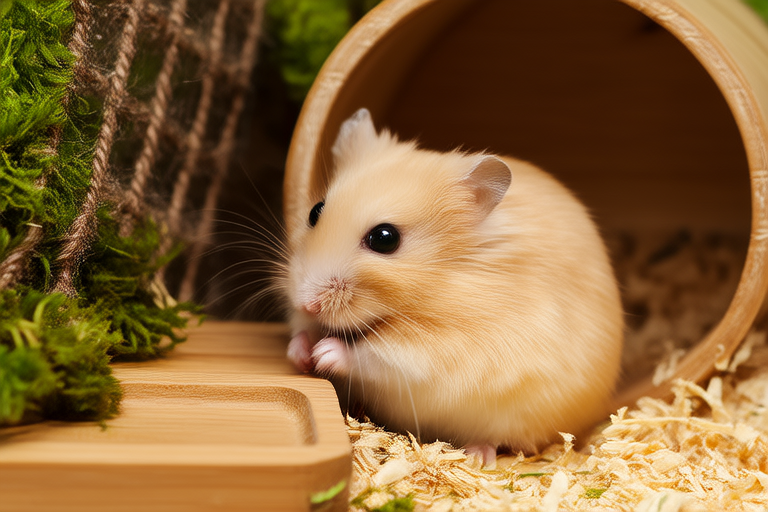
Hamster Haven: Transforming Your Space into an Ideal Habitat for Your Golden Friend
Welcome to the world of hamsters! These adorable, tiny creatures can bring immense joy and companionship into your home. If you’re a first-time hamster owner or looking to enhance your current setup, this guide will help you transform your space into a perfect habitat for your golden friend.
Choosing the Right Cage Size
The first step in creating a hamster haven is selecting the appropriate cage size. A spacious cage allows your hamster ample room to explore, exercise, and play, which is crucial for their physical and mental well-being. Opt for a cage that is at least 36 inches long, 18 inches wide, and 12 inches high. Larger cages are even better, as they provide more opportunities for enrichment.
Avoid wire-bottom cages, as they can hurt your hamster’s delicate feet. Instead, choose cages with solid floors or add a layer of bedding to protect their paws. Ensure the cage has secure latches to prevent escapes and consider placing it in a quiet corner away from direct sunlight and drafts.
Essential Bedding Materials
Providing suitable bedding is vital for your hamster’s comfort and health. Use soft, dust-free bedding materials like aspen wood shavings, paper-based products, or recycled paper pellets. Avoid cedar and pine shavings, as they can irritate your hamster’s respiratory system.
Fill the bottom of the cage with about two inches of bedding, and add nesting material such as shredded paper or cotton wool. Place the bedding in a designated area within the cage to create a cozy sleeping spot. Regularly clean and replace the bedding to maintain hygiene and prevent odors.
Appropriate Toys and Accessories
To keep your hamster mentally stimulated and physically active, include a variety of toys and accessories in their habitat. Hamsters love to chew, so provide safe items made from untreated wood or cardboard. Chew toys not only satisfy their chewing instinct but also help wear down their continuously growing teeth.
Incorporate tunnels, exercise wheels, and climbing structures to encourage exploration and physical activity. Ensure the wheel is large enough (at least 8 inches in diameter) to prevent back injuries and has a solid surface to avoid accidents. Additionally, include a small hideaway or house where your hamster can retreat when feeling overwhelmed.
Dietary Needs
Feeding your hamster a balanced diet is essential for their overall health. Offer a high-quality hamster mix that includes seeds, grains, and pellets. Supplement their diet with fresh vegetables and fruits, such as carrots, broccoli, and apples, in moderation. Avoid feeding them foods that are toxic to hamsters, including chocolate, caffeine, citrus fruits, and avocado.
Provide a constant supply of fresh water, either through a sipper bottle or a shallow dish. Change the water daily and clean the container thoroughly to prevent bacterial growth. Consider offering occasional treats like dried fruit or nuts, but remember to feed them sparingly to avoid weight gain.
Maintaining Cleanliness
Keeping your hamster’s habitat clean is crucial for their health and happiness. Remove waste and soiled bedding daily, and perform a thorough cleaning of the entire cage weekly. Use mild soap and water to wash all accessories, and allow them to dry completely before returning them to the cage.
Avoid using harsh chemicals or scented cleaners, as these can be harmful to your hamster. If necessary, use a pet-safe disinfectant to sanitize the cage and accessories. Regular cleaning not only prevents odor but also reduces the risk of infections and illnesses.
Tips for Ensuring Your Hamster’s Overall Well-being
Creating a stimulating environment that mimics their natural habitat is key to ensuring your hamster’s overall well-being. Provide plenty of hiding spots, tunnels, and climbing structures to mimic their underground burrows. Rotate toys and accessories periodically to keep the environment fresh and exciting.
Spend time interacting with your hamster daily, as they thrive on social interaction. Handle them gently and frequently to build trust and reduce stress. Be mindful of their nocturnal nature and avoid disturbing them during their daytime sleep.
Regular veterinary check-ups are essential for monitoring your hamster’s health. Look out for signs of illness, such as lethargy, loss of appetite, or abnormal behavior, and consult a veterinarian if you notice any concerning symptoms.
Common Concerns of New Pet Owners
New pet owners often have concerns about their hamster’s behavior and care. One common issue is biting, which can occur if your hamster feels threatened or scared. To minimize biting, handle your hamster gently and regularly to build trust. If biting persists, consult a veterinarian for advice.
Another concern is hibernation, although hamsters do not truly hibernate. They may enter a state of torpor in response to cold temperatures or lack of food. To prevent this, ensure your hamster’s living space is warm and well-fed. If your hamster appears lethargic, seek veterinary assistance immediately.
By following these guidelines, you can create a loving and stimulating environment for your hamster. Remember, each hamster is unique, so observe their behavior and preferences to tailor their habitat accordingly. With proper care and attention, your golden friend will thrive and bring endless joy to your home.