
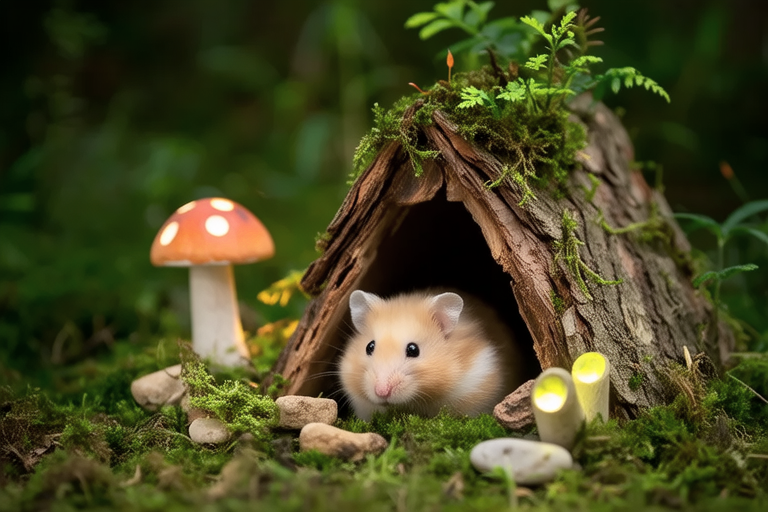
How to Create an Enchanted Habitat for Your Golden Hamster
Welcome to the enchanting world of golden hamsters! These small, lovable creatures are known for their gentle nature and playful antics. Creating a habitat that is both safe and stimulating can significantly enhance your pet’s quality of life. This guide will walk you through the steps necessary to craft an enchanted habitat for your golden hamster, covering everything from cage selection to dietary needs and hygiene maintenance.
Selecting the Right Cage Size and Design
The first step in creating an enchanted habitat for your golden hamster is choosing the right cage. The cage should provide ample space for your hamster to move around freely, explore, and engage in natural behaviors like digging and climbing. A minimum floor area of about 800 square inches (approximately 5.16 square feet) is recommended for a single hamster. Bigger is always better, so if you have the space, go for a larger cage.
When it comes to design, opt for cages with multiple levels and tunnels to mimic their natural burrows. These features encourage exercise and exploration, which are crucial for a hamster’s mental and physical health. Ensure the cage has solid flooring instead of wire mesh to prevent injuries to their delicate paws.
Expert Tip: Dr. Emily Johnson, a veterinarian specializing in exotic pets, advises, “The more vertical space you can offer, the happier your hamster will be. They love to climb and explore different heights within their environment.”
Essential Bedding Choices
Choosing the right bedding is crucial for your hamster’s comfort and health. Opt for bedding materials that are soft, absorbent, and dust-free. Popular choices include aspen shavings, paper-based bedding, and recycled paper products. Avoid cedar and pine shavings, as they can irritate your hamster’s respiratory system.
Hamsters also appreciate nesting materials to build cozy nests. Offer soft, shredded paper or tissue, along with some hay. This not only provides comfort but also stimulates their natural instinct to nest and burrow.
Anecdote: Sarah, a hamster owner, shares, “My hamster, Whiskers, loves to dig under his nest and create secret tunnels. It’s fascinating to watch him work tirelessly every night.”
Safe and Stimulating Toys
Toys play a vital role in keeping your hamster entertained and mentally stimulated. Safe options include wooden chew toys, tunnels, exercise wheels, and puzzle feeders. Ensure any toy you introduce is free from small parts that could be swallowed or sharp edges that might cause injury.
Rotate toys periodically to keep your hamster interested and engaged. Introducing new toys every few weeks can help prevent boredom and promote continued exploration and play.
Expert Insight: Dr. Johnson adds, “Providing a variety of toys helps to prevent behavioral issues such as chewing on cage bars or excessive grooming, which can be signs of boredom or stress.”
Proper Lighting and Temperature Control
Golden hamsters are nocturnal animals, meaning they are most active during the night. To respect their natural sleep patterns, ensure the cage is placed in a quiet, dimly lit area during the day. At night, provide low-level lighting to help them navigate their environment safely.
Maintain a stable temperature between 65°F and 75°F (18°C to 24°C). Avoid placing the cage near direct sunlight, drafts, or heat sources, as these can lead to overheating or cold stress.
Temperature Control Tip: Consider using a thermostat-controlled heating pad or ceramic heater if you live in cooler climates. This ensures your hamster stays warm and comfortable without the risk of overheating.
Nutritious Diet Suggestions
A balanced diet is key to maintaining your hamster’s health. Their diet should consist primarily of high-quality hamster pellets, supplemented with fresh vegetables, fruits, and occasional treats. Ensure a steady supply of water, preferably from a sipper bottle attached to the side of the cage.
Vegetables such as carrots, broccoli, and spinach, along with fruits like apples and blueberries, make excellent additions to their diet. However, avoid feeding them foods high in sugar or fat, such as chocolate or avocados, as these can be harmful.
Expert Advice: Dr. Johnson recommends, “Always introduce new foods gradually to monitor for any digestive issues. Fresh vegetables and fruits should be offered in moderation, about one tablespoon per day.”
Tips for Maintaining Hygiene
Maintaining cleanliness in your hamster’s habitat is essential for their health. Regular cleaning prevents the buildup of bacteria and reduces the risk of infections. Clean the cage at least once a week, replacing all bedding and thoroughly washing food and water dishes.
Use mild, pet-safe disinfectants when cleaning the cage. Avoid harsh chemicals that may be toxic to your hamster. After cleaning, allow the cage to air dry completely before reintroducing your hamster.
Hygiene Tip: Incorporate a routine where you check for signs of illness or injury during cage cleaning. Look for changes in behavior, such as lethargy or loss of appetite, which might indicate a health issue.
Conclusion
Creating an enchanted habitat for your golden hamster involves thoughtful consideration of their physical and psychological needs. By providing ample space, appropriate bedding, stimulating toys, proper lighting and temperature control, a nutritious diet, and regular hygiene maintenance, you can ensure your hamster lives a happy, healthy life. Remember, each hamster is unique, so pay attention to their individual preferences and adjust their environment accordingly. With love and care, you’ll have a delightful companion for years to come.