
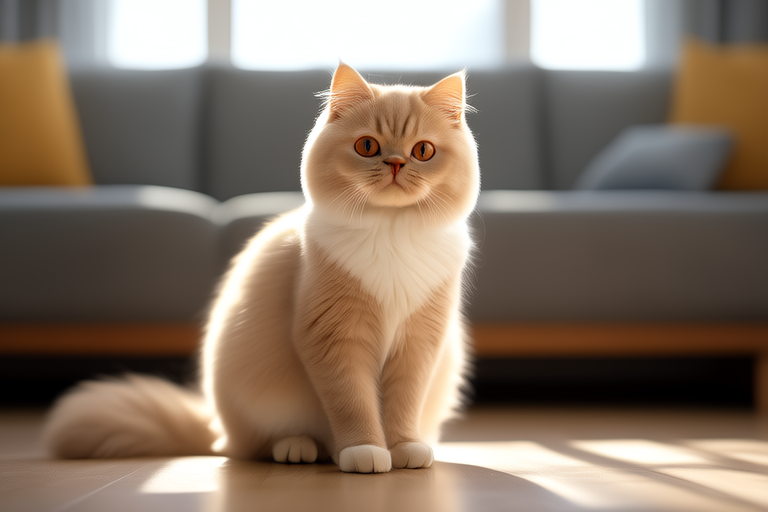
The Unique World of Munchkin Cats
Welcome to the enchanting world of Munchkin cats! This peculiar and delightful feline breed is known for its distinctive short legs, which give it a unique appearance and charming demeanor. With a rich history and a range of physical attributes, the Munchkin cat has captured the hearts of many pet lovers. Let’s delve into the fascinating details of this breed, exploring their physical characteristics, temperament, health, and lifestyle.
Physical Characteristics: A Glimpse at the Munchkin’s Form
The most striking feature of Munchkin cats is undoubtedly their short legs. These legs, which are caused by a naturally occurring genetic mutation, are proportionally shorter than those of other cat breeds, leading to a distinctively low-slung profile. Despite their short stature, Munchkins are sturdy and well-built, with strong, muscular bodies that complement their petite frame.
Munchkin cats come in two main varieties: standard and longhair. The standard variety features a medium-length, silky coat that can be short or semi-long, while the longhair variety boasts a longer, more luxurious coat. Both types have dense undercoats that provide warmth and protection. Their coats can be found in a wide array of colors and patterns, including solid colors, tabby patterns, tortoiseshell, calico, and bicolor. This diversity in coat types and colors makes Munchkin cats visually appealing and highly adaptable to various home environments.
Temperament and Personality Traits: The Soul of a Munchkin
Beyond their unique physical appearance, Munchkin cats are known for their friendly and affectionate nature. They are generally sociable and enjoy spending time with their human companions, often seeking out attention and affection. Munchkins tend to be playful and curious, making them excellent companions for families with children or other pets. Their gentle and adaptable personalities allow them to thrive in a variety of household settings.
Munchkin cats are intelligent and quick learners, which can be advantageous when training them or introducing new routines. They are also known for their agility and acrobatic abilities despite their shorter legs. This adaptability enables them to navigate their surroundings with ease, whether they’re climbing onto furniture or engaging in play. Their playful and affectionate nature, combined with their intelligence, makes Munchkin cats wonderful pets for individuals and families alike.
Health and Lifespan: Ensuring a Long and Happy Life
While Munchkin cats are generally healthy, there are some health considerations specific to the breed. One notable concern is lordosis, a condition characterized by an excessive inward curve of the spine. This condition can sometimes lead to spinal issues, but it is not always problematic. Regular veterinary check-ups can help monitor and manage any potential spinal concerns.
Another potential issue is pectus excavatum, a deformity where the chest cavity caves inward. Like lordosis, this condition does not necessarily cause health problems, but it is important to be aware of it. Responsible breeding practices can help minimize the risk of these conditions, ensuring healthier kittens.
On average, Munchkin cats have a lifespan of 12 to 14 years. Proper care, regular veterinary visits, and a nutritious diet can contribute to their longevity and overall well-being. It is essential for owners to provide their Munchkin cats with a balanced diet, fresh water, and a safe, stimulating environment to support their health and happiness.
Exercise Needs and Adaptability: A Flexible Companion
Munchkin cats are relatively active and enjoy engaging in play and exploration. However, due to their shorter legs, they may not be as agile as other cat breeds when it comes to jumping or climbing. Owners can provide them with toys that encourage movement and play at ground level, such as feather wands, laser pointers, or interactive puzzles. This helps keep them physically and mentally stimulated.
Munchkin cats are highly adaptable and can thrive in various living environments, from small apartments to spacious homes. They are generally good with other pets and can coexist peacefully with dogs and other cats. Their adaptable nature makes them suitable for households with different lifestyles, whether you live alone, have a family, or share your space with other animals.
Historical Origins: Tracing the Roots of the Munchkin
The origins of the Munchkin cat can be traced back to the early 1980s when a woman named Sandra Hochenedel discovered a pregnant stray cat with unusually short legs. She named one of the kittens “Schrödinger” and later bred him with a domestic shorthair. The resulting offspring exhibited the same short-legged trait, and the Munchkin breed began to take shape.
The breed gained recognition from The International Cat Association (TICA) in 2003, marking a significant milestone in its development. Since then, the Munchkin cat has grown in popularity, capturing the hearts of cat enthusiasts around the world. The breed’s unique appearance and friendly temperament have made it a favorite among pet lovers.
Tips for Potential Owners: Embracing the Munchkin Experience
If you’re considering adopting a Munchkin cat, there are several factors to keep in mind to ensure a successful and fulfilling relationship:
- Research and Choose a Reputable Breeder: Selecting a responsible breeder who prioritizes the health and well-being of their cats is crucial. Reputable breeders conduct thorough health screenings and provide guidance on proper care and nutrition.
- Create a Safe and Stimulating Environment: Munchkin cats require a safe, enriching environment that encourages exploration and play. Ensure that your home is free from hazards and provides plenty of opportunities for your cat to engage in activities that suit their unique needs.
- Provide Regular Veterinary Care: Routine veterinary check-ups are essential for monitoring your Munchkin cat’s health and addressing any potential issues early. Vaccinations, parasite prevention, and dental care are all important aspects of maintaining their well-being.
- Nutrition and Hydration: Feed your Munchkin cat a high-quality, balanced diet tailored to their age, size, and activity level. Ensure they have access to fresh water at all times to stay hydrated.
- Love and Affection: Munchkin cats thrive on love and attention. Spend quality time with your cat, offering affection and engaging in activities that bring joy and comfort to both of you.
By following these tips and providing your Munchkin cat with the care and attention they deserve, you can ensure a happy and healthy life together. Embrace the unique charm and companionship of this special breed, and you’ll find yourself with a loyal and loving friend for years to come.