
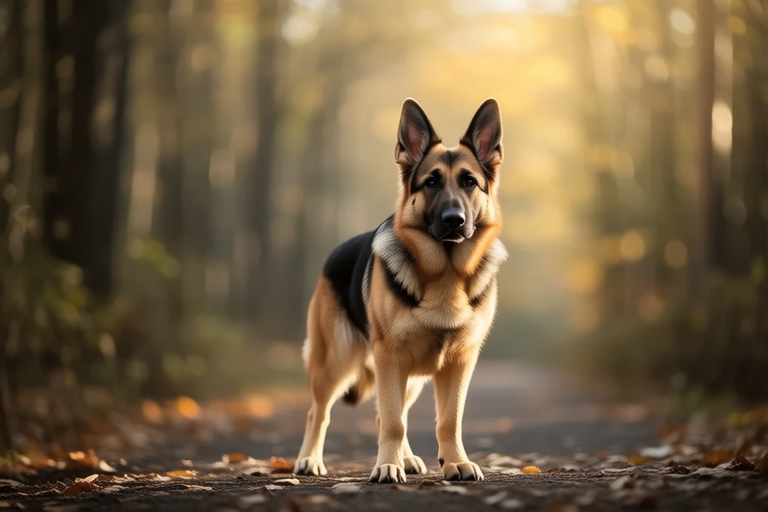
5 Reasons Why German Shepherds Are Loyal Companions
German Shepherds have long been cherished as loyal companions, not only in homes but also in various professional roles. Their intelligence, versatility, and unwavering dedication make them one of the most popular breeds globally. This article explores five key reasons why German Shepherds are considered such loyal companions, supported by real-world examples and studies.
1. A Rich History of Loyalty
The history of German Shepherds is deeply intertwined with their reputation for loyalty. Originating in Germany in the late 19th century, these dogs were initially bred for herding sheep. Max von Stephanitz, the father of the breed, emphasized traits like intelligence, strength, and loyalty when breeding these dogs. Over time, their role expanded beyond herding to include military and police work, search and rescue operations, and even therapy work. Their historical role in these demanding tasks has honed their loyalty and made them ideal companions.
For instance, during World War I, German Shepherds served as messengers, rescuing wounded soldiers from the battlefield. One famous example is Rin Tin Tin, a war hero who was found in a bombed-out kennel and later became a Hollywood star. His story exemplifies the breed’s ability to bond with humans and perform life-saving duties. Studies have shown that dogs, particularly intelligent breeds like German Shepherds, can develop strong bonds with their handlers through consistent interaction and training. These bonds are rooted in the dogs’ evolutionary history, where loyalty to a pack leader ensured survival.
2. Intelligence and Trainability
German Shepherds are known for their exceptional intelligence, ranking among the top three smartest dog breeds. Their high IQ allows them to learn commands quickly and follow complex instructions. This intelligence contributes significantly to their loyalty because it enables them to understand and respond to their owners’ needs effectively.
Real-world examples of German Shepherds’ intelligence include their success in various fields. For instance, many German Shepherds serve as guide dogs for the visually impaired. Their ability to navigate complex environments while ensuring the safety of their handlers is a testament to their intelligence and loyalty. In a study conducted by Guide Dogs for the Blind, it was found that German Shepherds have a higher success rate in guiding blind individuals compared to other breeds due to their problem-solving abilities and strong sense of direction.
3. Protective Nature
One of the most notable traits of German Shepherds is their protective nature. They are naturally inclined to guard their territory and family, making them excellent watchdogs. This protective instinct stems from their ancestry as herding dogs, where they needed to keep livestock safe from predators. Their alertness and vigilance extend to their human families, providing a sense of security.
Many families have benefited from the protective instincts of German Shepherds. For example, there have been numerous instances where German Shepherds have alerted their owners to potential dangers, such as intruders or natural disasters. In one case, a German Shepherd named Max saved his owner’s life by alerting him to a fire in the house. The dog’s quick reaction and loyalty prevented serious injury. Research indicates that dogs, especially those with strong protective instincts like German Shepherds, can detect changes in their environment that might indicate danger, further enhancing their role as loyal protectors.
4. Strong Bond with Humans
German Shepherds form strong emotional bonds with their owners, which is a crucial aspect of their loyalty. This bond is built through regular interaction, play, and training. The breed’s desire to please its owner and its affectionate nature contribute to this deep connection.
Studies have shown that the oxytocin levels in both humans and dogs increase when they interact, creating a mutual affection that strengthens their bond. This hormone, often referred to as the “love hormone,” plays a significant role in social bonding. German Shepherds, in particular, seem to release higher levels of oxytocin during interactions with their owners, fostering a unique emotional connection. This bond is evident in everyday scenarios, such as a German Shepherd greeting its owner at the door with enthusiasm or offering comfort during times of stress.
5. Versatility in Roles
The versatility of German Shepherds is another reason for their loyalty. They excel in various roles, from service dogs to police dogs, and they adapt well to different environments. This adaptability ensures that they can be reliable companions in diverse settings.
In addition to their roles in law enforcement and military operations, German Shepherds are also widely used in therapy work. Their calm demeanor and gentle nature make them ideal for interacting with patients in hospitals and nursing homes. One notable example is the work of German Shepherds in disaster relief efforts. During natural disasters, these dogs are trained to locate survivors buried under rubble. Their loyalty and dedication shine through in these challenging situations, where they consistently perform their duties to the best of their ability.
Their versatility also extends to their adaptability in different living conditions. Whether in a bustling city apartment or a quiet rural home, German Shepherds adjust well to their surroundings. This flexibility ensures that they remain loyal and supportive companions, regardless of the setting.
Conclusion
German Shepherds are truly remarkable companions, distinguished by their rich history, intelligence, protective nature, strong bond with humans, and versatility. These qualities, supported by real-world examples and studies, highlight why German Shepherds are considered loyal companions. As we continue to appreciate their contributions in various fields, it is clear that their loyalty is a defining characteristic that sets them apart.