
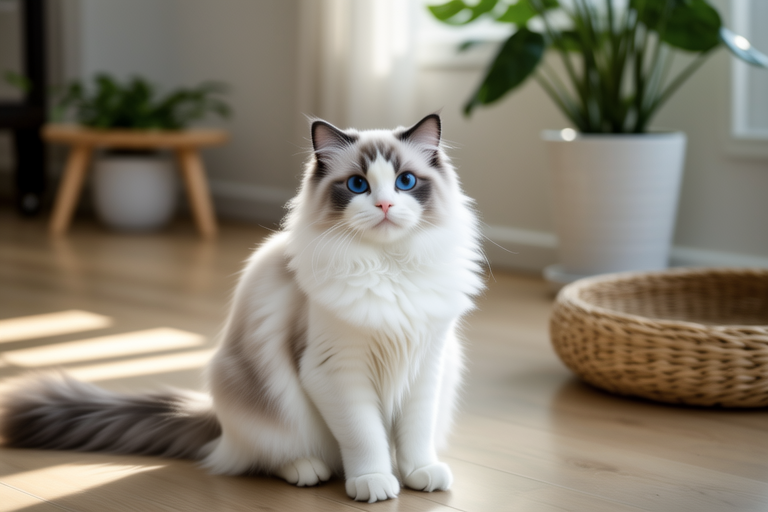
Life with a Scottish Fold: Top Tips for New Owners
Welcome to the wonderful world of Scottish Folds! These charming, distinctive cats have captured the hearts of many due to their unique folded ears and gentle demeanor. If you’ve recently adopted a Scottish Fold, you’re about to embark on an enriching journey filled with companionship and joy. This article aims to provide you with comprehensive guidance on how to best care for your new furry friend.
The Unique Characteristics of Scottish Folds
Scottish Folds are known for their folded ears, which give them a distinctive appearance that’s both adorable and somewhat owl-like. This characteristic is caused by a genetic mutation that affects the cartilage in their ears. However, it’s crucial to understand that not all Scottish Fold kittens will develop folded ears; some may have straight ears. The folded ear trait typically becomes noticeable when the kitten is around three weeks old.
In addition to their unique ears, Scottish Folds are generally calm, affectionate, and adaptable. They enjoy the company of their human families but can also be independent at times. Their temperament often makes them great companions for households with children or other pets. However, it’s important to introduce them slowly and carefully to ensure a harmonious environment.
Tips for Care and Health
One of the most significant health concerns for Scottish Folds is osteochondrodysplasia (OCD), a condition affecting the joints and cartilage, particularly in the tail, spine, and legs. To mitigate this risk, it’s recommended to avoid breeding cats with folded ears, as they are more likely to inherit the gene responsible for OCD. Always purchase your Scottish Fold from a reputable breeder who prioritizes the health and well-being of their cats.
Regular veterinary check-ups are essential to monitor your cat’s overall health and catch any potential issues early. A balanced diet, rich in nutrients, plays a vital role in maintaining their health. Consult your veterinarian to determine the appropriate food and portion sizes based on your cat’s age, weight, and activity level.
Maintaining a clean living environment is crucial for your Scottish Fold’s health. Regularly clean their litter box, provide fresh water daily, and ensure their living space is free from harmful chemicals and toxins. Additionally, providing plenty of mental and physical stimulation through playtime and interactive toys helps prevent boredom and promotes a healthy lifestyle.
Suitable Environments for Scottish Folds
Scottish Folds thrive in environments that offer comfort, safety, and stimulation. While they can adapt to various settings, they generally prefer quiet homes with minimal stress. Loud noises or sudden movements might startle them, so creating a calm atmosphere is beneficial.
Ensure your home has multiple levels for your cat to explore and rest. Providing cozy hiding spots, elevated perches, and scratching posts encourages exercise and mental engagement. Consider placing comfortable bedding in quiet areas where your cat can retreat when feeling overwhelmed or tired.
Temperature control is also important, as Scottish Folds may be sensitive to extreme temperatures. Keep their living area at a comfortable temperature, avoiding drafts and direct sunlight. In colder months, consider providing additional warmth with heated beds or blankets.
Dietary Needs of Scottish Folds
A balanced diet is crucial for the health and longevity of your Scottish Fold. High-quality commercial cat foods, formulated for specific life stages (kitten, adult, senior), are excellent choices. Look for products containing real meat as the primary ingredient, avoiding those with fillers or excessive additives.
Feeding your cat according to their age, size, and activity level is key. Overfeeding can lead to obesity, which increases the risk of joint problems and other health issues. Measure out portions and avoid leaving food out all day. Treats should be given sparingly and only as rewards during training sessions or playtime.
Hydration is equally important. Ensure your cat has access to fresh, clean water at all times. Some cats prefer running water, so consider investing in a pet water fountain to encourage drinking.
Grooming Routines for Scottish Folds
Grooming is an essential part of caring for your Scottish Fold. Their short, dense coat requires regular brushing to remove loose hair and prevent matting. Use a soft-bristled brush or a grooming glove to gently stroke their fur, paying special attention to areas prone to shedding, such as behind the ears and under the chin.
Bathing is generally unnecessary unless your cat gets into something messy. If bathing is required, use a mild, pH-balanced shampoo specifically designed for cats. Dry your cat thoroughly after the bath to prevent chills. Regular nail trimming is also necessary to maintain their claws at a manageable length.
Cleaning your Scottish Fold’s ears is another important aspect of grooming. Use a cotton ball or soft cloth dipped in a gentle ear cleaner solution to wipe away any debris or wax buildup. Avoid inserting anything into the ear canal to prevent injury.
Common Behaviors and How to Address Them
Scottish Folds are known for their curious and playful nature. They enjoy exploring their surroundings and interacting with their human companions. However, some behaviors may require attention or redirection.
Scratching is a natural behavior for cats, serving as a way to mark territory and keep their claws sharp. Provide scratching posts or pads made from materials your cat prefers, such as sisal rope or cardboard. Encourage your cat to use these designated areas by placing treats or toys nearby. Redirect scratching on furniture or other surfaces by gently guiding your cat to the appropriate scratching post.
Some Scottish Folds may exhibit destructive behaviors, such as chewing or knocking items off shelves. This behavior can stem from boredom or teething. Offer interactive toys, puzzle feeders, and chew-safe items to redirect their energy. Rotate toys regularly to keep them engaged and interested.
If your Scottish Fold displays signs of aggression or fearfulness, it’s important to identify the underlying cause. Aggression may result from pain, fear, or territorial issues. Fearful behavior could be due to past experiences or environmental changes. Consult with a veterinarian or animal behaviorist for professional guidance on addressing these issues.
The Importance of Patience, Understanding, and Love
Nurturing a Scottish Fold requires patience, understanding, and consistent love. Each cat has its own personality and preferences, so take the time to get to know your pet. Observe their body language, vocalizations, and interactions to better understand their needs and emotions.
Building trust takes time, especially if your Scottish Fold has had negative experiences in the past. Approach them calmly and gently, allowing them to come to you when they feel ready. Positive reinforcement through praise, treats, and gentle handling helps establish a strong bond.
Consistency is key in training and socializing your Scottish Fold. Use the same commands and routines to teach desired behaviors. Reinforce good behavior with rewards and ignore unwanted behavior unless it’s dangerous or destructive. Be patient during setbacks, as progress may be gradual.
Conclusion
Raising a Scottish Fold is a rewarding experience filled with love, companionship, and shared moments. By understanding their unique characteristics, providing proper care, and fostering a loving environment, you can ensure a happy and healthy life for both you and your feline companion. Remember, every Scottish Fold is an individual, so tailor your approach to meet their specific needs and preferences. With dedication and commitment, you’ll create a lifelong bond that brings joy and fulfillment to both of your lives.