
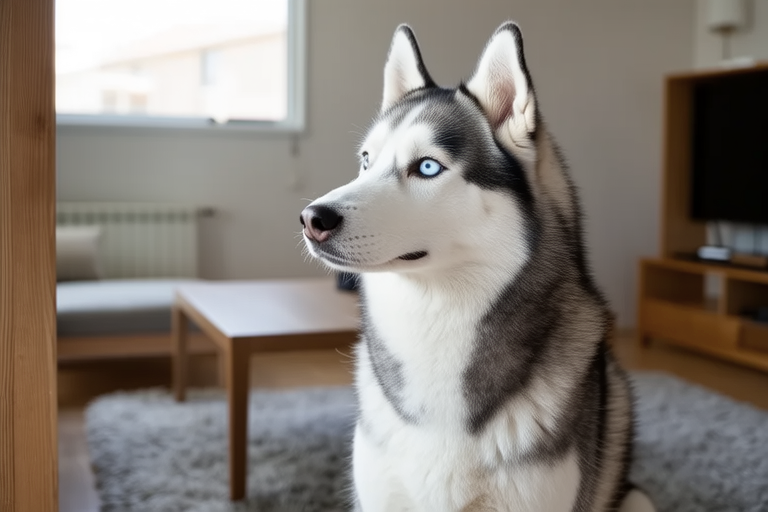
From Tundra to Couch: Raising a Siberian Husky at Home
Siberian Huskies are captivating dogs known for their striking blue or multi-colored eyes, thick double coats, and lively personalities. Originally bred by the Chukchi people of Northeastern Asia for sledding, these dogs have been adapted over centuries to endure the harsh conditions of the Arctic tundra. Today, they are cherished pets in homes around the world, but their transition from the wild to the living room requires careful consideration and planning. This article aims to provide comprehensive guidance on raising a Siberian Husky at home, covering their history, characteristics, and unique needs.
The History of the Siberian Husky
The Siberian Husky’s lineage traces back to the nomadic Chukchi tribes of Siberia. These tribes relied heavily on the dogs for transportation, companionship, and protection. Huskies were valued for their endurance, speed, and ability to thrive in extreme cold. Their adaptability and resilience made them indispensable to the Chukchi way of life. In 1908, the first Siberian Huskies were imported to Alaska, where they participated in the famous All-Alaska Sweepstakes, a long-distance sled dog race. Their success in this event brought them widespread recognition and admiration.
Characteristics of the Siberian Husky
Siberian Huskies are medium-sized dogs with a distinctive appearance. They typically weigh between 35 to 60 pounds and stand about 20 to 24 inches tall at the shoulder. Their thick, double coats protect them from the cold, with a dense undercoat and a coarser outer coat that comes in various colors and patterns, including black, gray, red, and white. The breed is renowned for its striking blue eyes, though brown or heterochromic (two different colored eyes) variations are also common.
Besides their physical attributes, Siberian Huskies possess a unique temperament. They are intelligent, independent, and highly social animals. While they can be aloof with strangers, they are generally friendly and gentle with family members. Their intelligence makes them quick learners, but it also means they can become bored easily if not mentally stimulated. Proper training and regular exercise are crucial to channel their energy and keep them happy and well-behaved.
Training Tips for Siberian Huskies
Training a Siberian Husky requires patience, consistency, and positive reinforcement. These dogs are naturally curious and may test boundaries, so establishing clear rules and expectations early on is essential. Begin training sessions when your Husky is still young to build a strong foundation of obedience. Use treats, praise, and play as rewards to encourage good behavior. Avoid harsh punishments, as they can damage trust and lead to behavioral issues.
Basic commands like sit, stay, come, and down should be taught first. Once your Husky masters these, you can move on to more advanced tricks and tasks. Agility training is particularly beneficial for Huskies, as it allows them to use their natural athleticism and problem-solving skills. Remember, training is an ongoing process; regular practice helps reinforce learned behaviors and keeps your Husky mentally engaged.
Exercise Routines for High Energy Levels
Siberian Huskies are known for their boundless energy, which stems from their heritage as working dogs. To keep them healthy and happy, they require ample exercise daily. A minimum of one hour of vigorous activity is recommended, but many Huskies will happily engage in even more. Suitable activities include running, hiking, swimming, and playing fetch. Agility courses and obstacle courses are also excellent options, providing both physical and mental stimulation.
It’s important to note that while Huskies enjoy outdoor adventures, they should never be left outside unsupervised. Their thick coats make them susceptible to overheating in warm weather, so indoor cooling methods or shaded areas should be provided during hot days. Additionally, always ensure your Husky has access to fresh water and shade during outdoor activities.
Dietary Requirements for Siberian Huskies
A balanced diet is crucial for maintaining the health and vitality of your Siberian Husky. Their nutritional needs depend on factors such as age, activity level, and overall health. Generally, a high-quality dog food formulated for active breeds is recommended. Look for ingredients like lean proteins, whole grains, and essential vitamins and minerals. Avoid foods containing artificial preservatives, fillers, and excessive sugars.
Consult with your veterinarian to determine the appropriate portion sizes based on your Husky’s specific needs. It’s important to monitor their weight and adjust their diet accordingly. Overfeeding can lead to obesity, which may exacerbate joint problems and shorten their lifespan. Conversely, underfeeding can result in malnutrition and weakened immune systems. Regular check-ups and consultations with your vet will help ensure your Husky remains in optimal health.
Grooming Tips for Siberian Huskies
Siberian Huskies have a thick, luxurious coat that requires regular grooming to maintain its health and appearance. Brushing your Husky at least twice a week is recommended, especially during shedding seasons when they lose large amounts of fur. Invest in a quality slicker brush and comb to remove loose hair and prevent matting. Bathing should be done sparingly, as too frequent bathing can strip their coat of natural oils. Instead, focus on spot cleaning and brushing to keep their coat clean and shiny.
Regular dental care is also essential for your Husky’s overall health. Brush their teeth at least three times a week to prevent tartar buildup and gum disease. Providing dental chews and toys can further promote oral hygiene. Additionally, trim their nails every few weeks to avoid discomfort and potential injury. Ears should be checked and cleaned regularly to prevent infections, and eyes should be wiped gently with a damp cloth to remove any debris.
Socializing Your Siberian Husky
Socialization is vital for ensuring your Siberian Husky becomes a well-adjusted and friendly companion. Expose your Husky to various environments, people, and other animals from a young age. This helps them develop confidence and reduces the likelihood of fear-based aggression. Puppy classes are an excellent resource for socialization, offering controlled settings where your Husky can interact with other dogs and learn basic manners.
Encourage positive interactions with family, friends, and neighbors. Introduce your Husky to new experiences gradually and reward them for calm and friendly behavior. Consistent exposure to different stimuli will help them become comfortable and adaptable. However, always prioritize your Husky’s comfort and safety, especially in unfamiliar situations.
Common Health Issues and Prevention Strategies
Like all breeds, Siberian Huskies are prone to certain health issues. Some common conditions include hip dysplasia, progressive retinal atrophy, and hypothyroidism. Regular veterinary check-ups can help detect and manage these conditions early. Genetic testing is also recommended to identify potential hereditary diseases before breeding.
To prevent health issues, maintain a healthy diet, provide regular exercise, and schedule routine veterinary visits. Vaccinations and parasite control are also essential for protecting your Husky from common illnesses. Early intervention and proactive care can significantly improve your Husky’s quality of life and longevity.
Adapting Siberian Huskies to a Home Environment
Raising a Siberian Husky at home requires commitment and understanding of their unique needs. Their independent nature and high energy levels mean they are best suited for active families who can provide ample attention and exercise. Establishing a consistent routine, providing mental stimulation, and offering opportunities for social interaction are key to their happiness and well-being.
Huskies are pack animals and thrive in environments where they feel included and valued. Create a space where they can relax and feel safe, but also offer areas for play and exploration. Consider enrolling your Husky in dog sports or activities that align with their natural abilities. This not only keeps them physically fit but also strengthens the bond between you and your pet.
The Responsibilities and Rewards of Ownership
Owning a Siberian Husky comes with significant responsibilities, but it also brings immense rewards. These dogs are loyal, loving, and full of character. Their intelligence and adaptability make them excellent companions for those willing to invest time and effort into their care. With proper training, exercise, and socialization, your Husky can become a beloved member of your family.
Embrace the challenges and joys of raising a Siberian Husky, and remember that each dog is unique. By providing a nurturing and stimulating environment, you’ll foster a strong, healthy relationship with your four-legged friend. Enjoy the journey from tundra to couch, and cherish the memories you create together.