
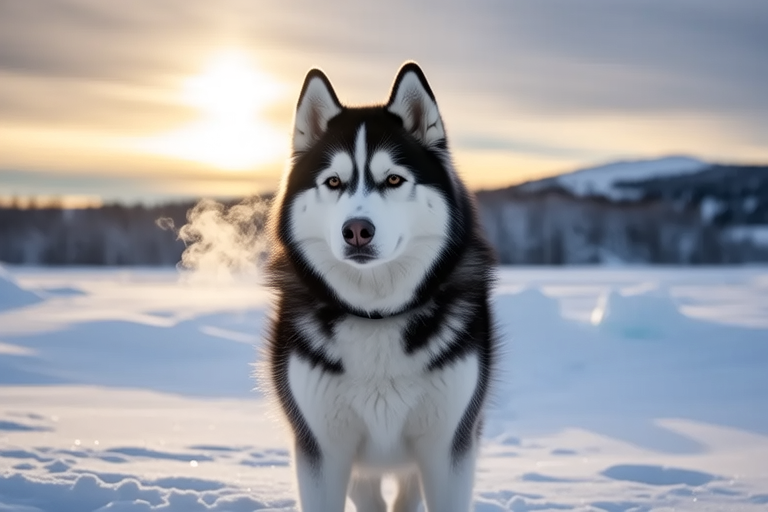
From Nome to Your Home: The Epic Journey of Siberian Huskies
The story of the Siberian Husky is one of resilience, loyalty, and adaptability. These majestic creatures have traveled from the icy expanses of Siberia to the bustling streets of modern cities, becoming beloved companions and symbols of endurance. Their journey is as much about human history as it is about canine evolution. Let us embark on this epic tale that begins in the frozen wilderness of Siberia and culminates in your home.
The Origins of Siberian Huskies in Siberia
The Siberian Husky’s story begins with the Chukchi people, indigenous inhabitants of the Chukotka Peninsula in northeastern Siberia. Living in one of the harshest environments on Earth, the Chukchi relied heavily on their dogs for survival. These dogs were not just pets; they were integral to daily life. The Chukchis bred them for strength, endurance, and speed, qualities that would become hallmarks of the breed.
Originally used to herd reindeer, the Siberian Huskies quickly became indispensable for transportation in the unforgiving Arctic conditions. Their ability to travel long distances without consuming too many resources made them perfect for pulling sleds. This role was crucial for the Chukchis, who needed to move frequently due to the seasonal changes and the scarcity of natural resources.
The Introduction of Siberian Huskies to Alaska
In the early 20th century, Siberian Huskies were brought to Alaska by fur traders and explorers. The dogs were first imported to Nome, a city located on the Seward Peninsula in Alaska, in 1909. The purpose was to participate in sled dog races, where their exceptional speed and stamina were immediately recognized. The Nome Kennel Club organized the first All-Alaska Sweepstakes race that year, and the Siberian Huskies dominated, showcasing their superiority over other breeds.
These dogs were not just competitors; they were also essential workers. In the early 1900s, Alaska was undergoing rapid development, and the demand for efficient transportation in the winter months grew. The Siberian Huskies filled this need perfectly, their endurance and speed making them ideal for delivering supplies and mail across vast snowy terrains.
The Famous Serum Run to Nome
The most celebrated moment in the history of Siberian Huskies came during the 1925 serum run to Nome. In January of that year, a diphtheria epidemic threatened the town of Nome. The nearest supply of antitoxin was in Anchorage, but the usual means of transport—steamship—was impossible due to the frozen sea. The only option was to transport the serum via sled dog relay teams.
The journey was over 674 miles (1,085 km) of treacherous terrain, and temperatures dropped to -30°F (-34°C). Led by musher Gunnar Kaasen, his team of Siberian Huskies, including the famous Balto, completed the final leg of the journey. Balto’s statue now stands in New York City’s Central Park, a testament to the bravery and endurance of these dogs.
This event not only saved lives but also solidified the reputation of Siberian Huskies as heroes. It was a pivotal moment that showcased the breed’s capabilities and cemented its place in history.
Adaptation as Pets: Temperament, Exercise Needs, and Care Tips
Today, Siberian Huskies are cherished pets in homes around the world. Their temperament is a blend of friendliness and independence. They are generally good-natured and affectionate with their families, but they can be aloof with strangers. This makes them excellent watchdogs, though they are not typically aggressive.
One of the most notable traits of Siberian Huskies is their high energy level. Originally bred to pull sleds for hours on end, they require substantial physical activity. Daily exercise is essential for their well-being. A long walk or a vigorous play session can help keep them healthy and happy. Without adequate exercise, they may become restless and destructive.
Care for Siberian Huskies includes regular grooming, especially during shedding seasons when they lose their undercoat. Their thick double coat provides insulation against cold weather but requires maintenance to prevent matting and skin issues. Regular brushing and occasional baths are necessary to keep their coat healthy and shiny.
Training Siberian Huskies can be challenging due to their independent nature. Consistent, positive reinforcement training methods are recommended. Early socialization is also important to ensure they grow up to be well-adjusted and friendly dogs.
Cultural Impact and Enduring Legacy
The legacy of Siberian Huskies extends far beyond their practical uses. They have become symbols of adventure, courage, and perseverance. From their role in the serum run to their participation in numerous sled dog races worldwide, these dogs continue to inspire awe and admiration.
In popular culture, Siberian Huskies have appeared in films, books, and television shows. They are often depicted as loyal companions and brave adventurers, reinforcing their image as noble animals. Their presence in media has helped increase awareness and appreciation for the breed, contributing to their enduring popularity.
The cultural impact of Siberian Huskies is also evident in the way they have been integrated into various communities. Dog sledding clubs and events celebrate the breed’s heritage and promote the sport. These activities not only preserve the tradition of sled dog racing but also provide opportunities for people to connect with the history and spirit of Siberian Huskies.
In conclusion, the journey of Siberian Huskies from the icy landscapes of Siberia to family homes around the world is a testament to their remarkable abilities and the deep bond they share with humans. Their story is one of survival, heroism, and companionship, making them more than just dogs—they are living legends.