
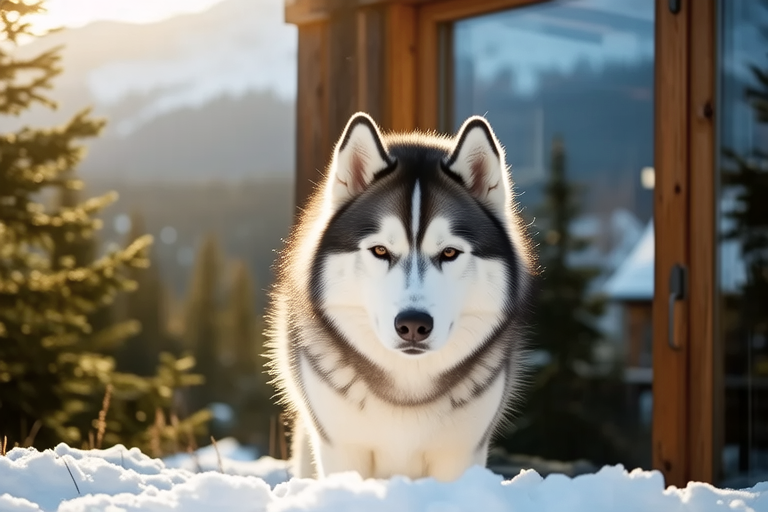
From Wilderness to Living Room: The Journey of Siberian Huskies
The story of the Siberian Husky is one of endurance, adaptation, and unwavering loyalty. Originating in the harsh landscapes of Siberia, these dogs have journeyed from wilderness to living room, capturing hearts with their striking appearance and indomitable spirit.
Origins in Siberia
Siberian Huskies hail from the northeastern region of Siberia, where they were bred by the Chukchi people. These indigenous Siberians needed a dog capable of enduring extreme cold, pulling sleds over long distances, and providing warmth to their nomadic families. The Siberian Husky’s ancestors were selected for their resilience, speed, and strength, traits that would be essential in the unforgiving environment of the Far North.
Genetically, Siberian Huskies possess a dense double coat that insulates them against the biting cold. Their thick fur allows them to maintain body heat while keeping their skin dry. Additionally, their compact size and powerful build enable them to cover vast distances without expending unnecessary energy. The Chukchi people relied on these dogs not only for transportation but also for hunting and companionship. The dogs’ stamina and intelligence made them invaluable in their daily lives.
The Role in Sled Racing and Transportation
In the early 20th century, Siberian Huskies began to gain international recognition through sled racing and transportation. Their speed and endurance made them perfect for these tasks. In Alaska and Canada, mushers (drivers of dog sleds) found that Siberian Huskies could travel faster and farther than other breeds, making them a favorite choice for races and expeditions.
The most famous event involving Siberian Huskies was the serum run to Nome in 1925. A diphtheria epidemic threatened the town of Nome, and there was no vaccine available. The only supply of antitoxin was in Anchorage. With the weather too severe for airplanes, a relay of mushers and their teams of Siberian Huskies carried the serum across hundreds of miles of frozen terrain. Balto, the lead dog of Gunnar Kaasen’s team, became a national hero, and his statue stands in New York City’s Central Park today, commemorating the vital role these dogs played in saving lives.
Introduction to the United States
The success of the serum run brought Siberian Huskies to the attention of American enthusiasts. Many mushers were captivated by the breed’s capabilities and began importing them for racing and breeding programs. The American Kennel Club recognized the Siberian Husky in 1930, solidifying its place in the world of competitive sports and as a cherished pet.
As the breed gained popularity, it became clear that Siberian Huskies had more to offer than just physical prowess. Their friendly, outgoing nature and strong desire to please made them excellent companions. They quickly transitioned from working dogs in snowy terrains to beloved pets in modern homes.
Adaptation to Modern Homes
Despite their robust heritage, Siberian Huskies have adapted remarkably well to life in the modern home. Their playful and affectionate nature makes them great family pets, though their independent streak requires patient training and consistent leadership. Potential owners must be prepared for the challenge of managing a breed known for its high energy levels and strong prey drive.
Health considerations are important when caring for a Siberian Husky. Like many purebred dogs, they can be prone to certain hereditary conditions such as hip dysplasia, eye problems, and skin allergies. Regular veterinary check-ups and a balanced diet are essential to maintaining their health. Proper grooming is also necessary, particularly during shedding seasons, to keep their coats healthy and free of mats.
Temperament and Care Tips
Siberian Huskies are known for their friendly and sociable disposition, making them excellent companions for families. However, their natural instincts as working dogs mean they require plenty of exercise and mental stimulation to stay happy and healthy. A daily walk or jog is usually sufficient, but they will also benefit from time spent in an enclosed area where they can run freely.
Training a Siberian Husky can be challenging due to their independent nature. Consistency and positive reinforcement are key. Early socialization and obedience training are recommended to ensure they grow up to be well-behaved and reliable pets. It’s important to remember that these dogs thrive on interaction and companionship, so they should never be left alone for extended periods.
The Enduring Appeal
The enduring appeal of Siberian Huskies lies in their unique blend of wild heritage and domestic charm. They embody the spirit of adventure and the bond between humans and animals that has been forged over centuries. In today’s world, they continue to inspire admiration and affection, whether as pets, therapy dogs, or participants in competitive sports.
As we reflect on the journey of Siberian Huskies from the wilderness of Siberia to the comfort of our living rooms, it’s clear that their legacy is one of resilience, adaptability, and love. These remarkable dogs have not only shaped the history of the Arctic regions but also left an indelible mark on the hearts of people around the globe.