
The Ultimate Arowana Handbook: Tips for First-Time Aquarists
Introduction: The Fascinating World of Arowanas
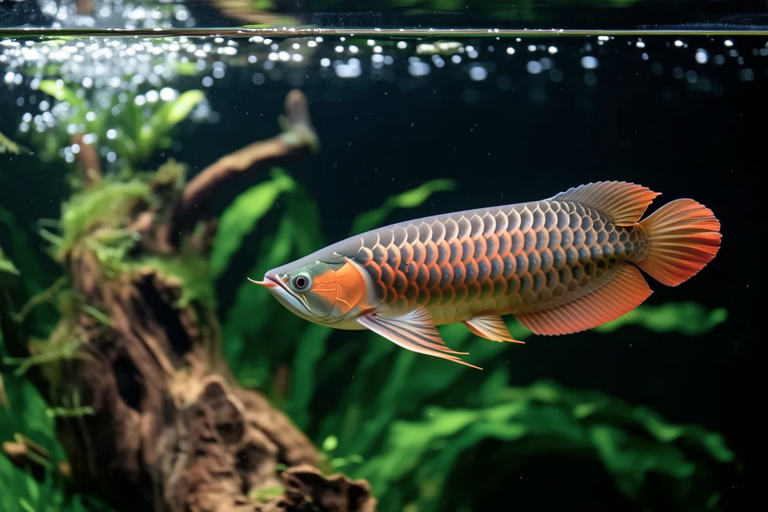
Arowanas are among the most captivating and sought-after fish in the aquarium hobby. Known for their striking appearance and impressive size, these ancient fish have been swimming through tropical waters for millions of years. With elongated bodies and large, shimmering scales, arowanas can grow up to three feet in length and live for several decades. Their unique ability to leap out of the water to catch insects and small birds adds to their mystique, making them a favorite among aquarists.
These fish are not only beautiful but also intelligent, often displaying curiosity and even a form of recognition towards their caretakers. However, due to their specific needs and size, they are best suited for experienced aquarists or those willing to commit to their specialized care. This handbook aims to provide all the essential information for first-time aquarists looking to bring home an arowana.
Setting Up the Ideal Tank Environment
Creating a suitable habitat is crucial for the health and well-being of your arowana. These fish require ample space to swim freely and thrive in an environment that mimics their natural habitat. A minimum tank size of 300 gallons is recommended for a single adult arowana, with additional space required for each additional fish. The tank should be equipped with a strong filtration system capable of handling high levels of waste produced by these large fish.
Water quality is paramount. Maintain a temperature between 78°F and 84°F and ensure a pH level of 6.5 to 7.5. Regular water changes of about 20% weekly are necessary to keep the water clean and free from harmful toxins. Use a robust heater and thermometer to maintain consistent temperatures. Additionally, include plenty of hiding spots and floating plants to mimic their natural environment and reduce stress.
Necessary Equipment and Water Parameters
Aside from the tank itself, there are several pieces of equipment vital for arowana care. A powerful external filter is essential for maintaining water clarity and removing debris. A good protein skimmer can help control ammonia and nitrite levels. A reliable heater is necessary to keep the water within the desired temperature range. An efficient air pump and airstone ensure adequate oxygenation.
Water testing kits are indispensable for monitoring water parameters such as pH, ammonia, nitrite, and nitrate levels. Regular testing allows you to adjust treatments and conditions accordingly. Ensure the tank has a secure lid, as arowanas are known to jump. Finally, invest in a high-quality lighting system that provides at least 10 hours of light per day to simulate natural daylight cycles.
Detailed Feeding Guidelines
Arowanas are carnivorous and require a varied diet rich in protein. Suitable foods include live or frozen shrimp, worms, feeder fish, and commercially available pellets designed for large predatory fish. It’s important to offer a balanced diet to promote optimal health and growth. Feed your arowana once or twice daily, providing enough food that it can consume within a few minutes. Overfeeding can lead to obesity and health problems.
When introducing new food items, observe your arowana’s reaction to ensure they are accepted and digested properly. Avoid feeding them raw meat or human food, as these can cause digestive issues. Always maintain a clean feeding area to prevent contamination and disease spread.
Common Health Issues, Signs of Illness, and Preventive Care
Like any pet, arowanas can fall prey to various health issues. Common ailments include fin rot, fungal infections, and parasites. Early detection is key to successful treatment. Signs of illness may include lethargy, loss of appetite, discolored patches, or unusual behavior. Regularly inspect your arowana for any signs of distress or physical changes.
To prevent illnesses, maintain excellent water quality, feed a balanced diet, and avoid overcrowding. Quarantine new fish before introducing them to the main tank to prevent the spread of diseases. If you suspect your arowana is ill, consult a veterinarian specializing in exotic fish for diagnosis and treatment options.
Tank Mates Compatibility and Social Behavior
Arowanas are generally territorial and can become aggressive towards other fish, especially those of similar size. Therefore, choosing compatible tank mates is critical. Peaceful bottom-dwelling species like catfish or loaches can coexist with arowanas if the tank is spacious enough. Avoid housing arowanas with smaller fish, as they may perceive them as prey.
Arowanas are solitary creatures and prefer living alone. They are not particularly social but can recognize their caretakers and show interest in interactions. Providing a stimulating environment with toys and hiding places can help alleviate boredom and stress.
Maintenance Tips, Regular Check-Ups, and Long-Term Care Strategies
Maintaining a clean and healthy environment is crucial for long-term arowana care. Perform regular water changes and monitor water parameters to ensure stability. Clean filters and decorations regularly to prevent the buildup of algae and debris. Conduct routine health checks to monitor your arowana’s condition.
Incorporate enrichment activities to keep your arowana mentally stimulated. Consider adding interactive toys or rearranging the tank layout periodically. Establish a routine for feeding and cleaning to minimize stress and establish a predictable environment.
Long-term care involves careful planning for the future. Arowanas can live for decades, so prepare for the long-term commitment. Research local regulations regarding ownership and ensure you have a plan for their care if you ever need to relocate.